Reviewed · LONDON TOURS
Witchcraft, Ancient Cults & MI15 Spy Secrets
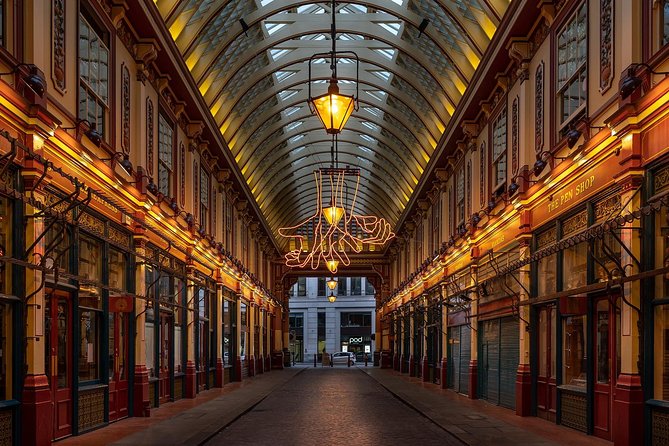
London’s oldest stories are often below your feet. This three-hour private walk links Roman cults, pagan worship, medieval churches, executions, devils, ghosts, and the city’s long habit of rebuilding over its own past. The route begins at Bleeding Heart Yard and finishes by Monument station.
I like the small private format, since your guide can spend time on the details that interest you instead of steering a large group along at one fixed pace. I also like the route’s unusual stops, especially the Mithraeum and the church sites that most first-time visitors pass without noticing.
The main caution is the price: $371.59 per person is a serious outlay for about three hours, even with group discounts available. Also, the title promises MI15 spy secrets, but the stated route gives no dedicated spy stop or clear spy-related content, so ask the provider about that before paying.
Key points to know before you book
- The Roman Mithraeum anchors the walk: See the remains of a secretive underground cult temple beneath the modern Bloomberg building.
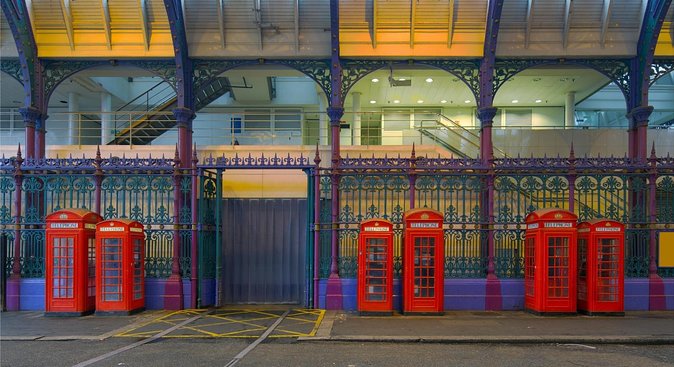
- The route favors overlooked places: St. Mary Woolnoth, Cornhill House, St. Bartholomew the Great, and Smithfield offer stories beyond the usual London checklist.
- It is a private walking tour: Only your group takes part, with a professional guide included.
- The Mithraeum ticket costs extra: Entry is not included at London Mithraeum Bloomberg SPACE.
- The walk finishes near Monument station: The start is at Bleeding Heart Yard, giving you a useful eastward route through central London.
- Check the spy content first: MI15 is named in the tour title, but the supplied route focuses on Roman, religious, medieval, and execution history.
A London walk built around what lies beneath
This is not a greatest-hits tour of the Tower, Westminster Abbey, or Buckingham Palace. It takes you through a city where office blocks, churches, markets, and Underground entrances sit on top of older sacred and violent places.
That makes the experience best for you if you have already covered London’s famous sights or if you enjoy history that feels slightly strange. Roman mystery cults, pagan foundations, devil figures, astrologers, ghosts, and public executions give the walk a darker flavor than a standard city stroll.
The route lasts about three hours. Each named stop is listed at roughly ten minutes, though the walk between them makes up much of the experience. Wear comfortable shoes, since you will be moving on foot through the City of London rather than sitting in a vehicle.
The private setup is important here. These stories can be hard to explain in a broad, fast-moving group, especially when the evidence is hidden under a building or reduced to a few carved figures on a facade. With only your group present, you can ask about the odd details and request more attention on Roman religion, medieval London, executions, or local legends.
Other London days people book alongside this one:
- Stonehenge, Windsor Castle, and Bath from London
★ 4.5 · 18,662 reviews - London Big Bus Hop-On Hop-Off Tour with Optional River Cruise
★ 3.5 · 10,803 reviews - London Small Group Tour of Historical Pubs
★ 5.0 · 10,422 reviews
Starting at Bleeding Heart Yard
The meeting point is Bleeding Heart Yard in London EC1N. The name itself suits the mood, though the supplied details do not specify a separate story stop here. It is simply where you meet the guide before setting off.
You begin around the western side of the route and finish near Monument station. That eastward direction is useful if you want to continue exploring the City afterward, since Monument connects with the Underground and sits close to several central London sights.
The start time is 12:00 p.m. A midday departure can work well if you prefer a slower morning, but it also means you should plan your day around the fixed start. Confirmation is provided at booking, and the activity is offered as a private experience rather than a shared group tour.
The guide is described as professional, and one available comment gives particular praise to a friendly female guide who knew the subject well. No guide name is provided, so you should not book expecting a named historian. The more useful point is that the tour depends heavily on the person leading it, since much of the value comes through spoken explanation at places with limited visible remains.
London Mithraeum Bloomberg SPACE and the Roman cult of Mithras

The London Mithraeum is the clearest anchor for the entire walk. This area has been central to London for roughly two thousand years, and the modern Bloomberg building now contains the remains of a Roman temple.
Mithras first appeared as a mystery cult in Rome during the first century AD. Over the next 300 years, the cult spread across the Roman Empire. Merchants, soldiers, and imperial administrators were among its main followers, and meetings took place in dark, private, windowless temples, often below ground.
That setting helps explain why the Mithraeum feels so different from a conventional Roman ruin. You are not looking at a large public forum or a grand monument designed to impress crowds. You are considering a private religious world, one built for a select group and shaped around secrecy.
At the center of Mithraic belief was the tauroctony, the scene of Mithras killing a bull inside a cave. Its exact meaning remains open to interpretation. That uncertainty is part of the appeal, since the temple gives you evidence without handing over a simple answer.
Admission to London Mithraeum Bloomberg SPACE is not included. This is the most important extra cost to check before booking. The stop is listed for about ten minutes, so consider how you feel about paying a separate admission for a short visit. The guide’s explanation may add value, but the ticket is still an extra on top of an already expensive private tour.
St. Mary Woolnoth and worship before modern London
St. Mary Woolnoth offers a second look at the city’s religious past. The site has been used for worship for at least 2,000 years, and traces of Roman and pagan religious buildings have been found below the present church.
That detail changes the way you see an ordinary City church. Instead of treating the building as a single period, you begin to picture layers of worship occupying the same patch of ground. Roman practices, pagan buildings, later Christian use, and modern office life all share one location.
The church stop is listed as free and takes about ten minutes. Since the tour is focused on interpretation, you will likely gain more from the guide’s account of what was found beneath the foundations than from simply walking inside and looking around.
I like this stop because it shows how London’s past is not arranged in neat districts. You do not leave the Roman world behind at one ruin and enter the medieval world at another. The periods overlap, and the city keeps using the same valuable sites for new purposes.
Same country, a completely different day out:
- Stonehenge, Windsor Castle and Bath with Pub Lunch in Lacock
★ 4.5 · 7,402 reviews - Tower of London and Crown Jewels Exhibition Ticket
★ 4.5 · 6,677 reviews - Thorpe Park Admission Ticket
★ 4.0 · 5,915 reviews - Stonehenge, Windsor Castle and Bath Full Day Guided Tour
★ 4.5 · 5,346 reviews
Cornhill House and the three devilish figures
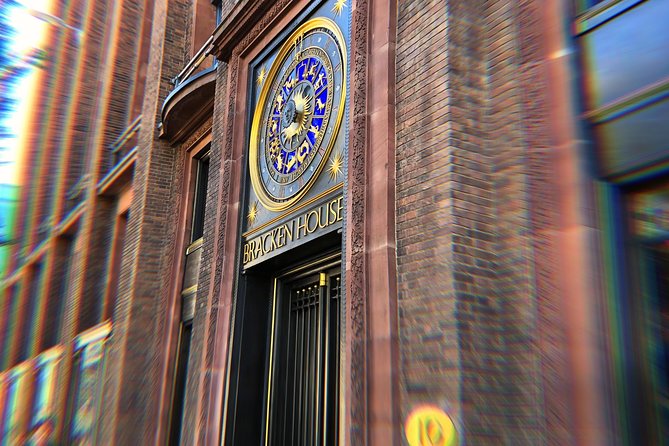
Cornhill House brings the tour into more unusual territory. Three devilish terracotta figures are connected with a long-running act of revenge, and they mock worshippers at the neighboring St. Peter upon Cornhill.
St. Peter upon Cornhill is an old City church that now sits almost submerged at street level by surrounding office blocks. That physical change is worth noting. London’s streets have been raised and rebuilt so often that older buildings can appear to have sunk, even though the modern city has simply grown around them.
The figures are an excellent example of how small details can carry a local story. You do not need a grand monument to find conflict, religious rivalry, or humor. A few figures on a building can preserve an argument long after the people involved are gone.
The stop is listed at about ten minutes, and admission is not included. That suggests you will mainly view the exterior and hear the story from the pavement. This is a good example of why the private guide matters: without explanation, the figures may look like decorative oddities rather than a pointed insult.
St. Bartholomew the Great after the Great Fire
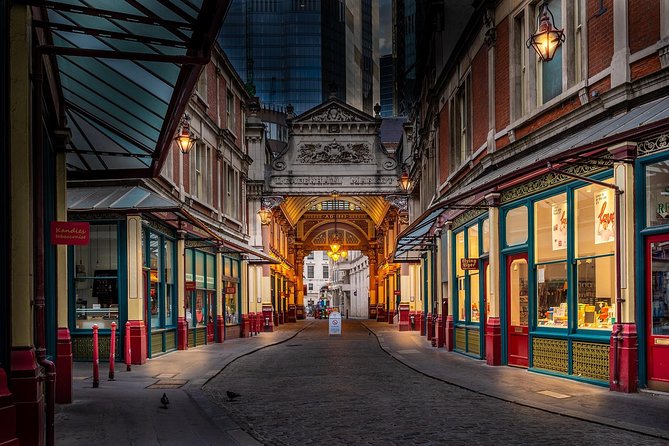
St. Bartholomew the Great is one of the few medieval churches to survive the Great Fire of 1666. That alone makes it a strong stop on a walk about London’s repeated destruction and rebuilding.
The church adds a calmer, more architectural pause after the darker tale at Cornhill House. You can consider how much of medieval London disappeared in the fire, and how unusual it is to find a surviving church in the middle of the modern city.
The visit is listed as free and lasts about ten minutes. The supplied details do not specify which interior features the guide will show, so keep your expectations focused on the building’s survival and its place in London’s story rather than on a promised architectural tour.
This stop also helps balance the itinerary. The route is not only about secret cults and grim punishment. It gives you a surviving piece of medieval religious London, making the city’s past feel more physical and less like a string of spooky anecdotes.
Smithfield Market and stories of public execution
Smithfield Market is the route’s most openly grim stop. Here you see places connected with executions and hear a story about Bloody Mary.
The market area brings public history into a working part of London. Rather than viewing violence in a museum display, you are standing in a place where civic life, trade, punishment, and spectacle once came together. The setting helps show how executions were part of the public life of earlier London.
The stop is listed as included and lasts around ten minutes. That makes it a practical final historical stop before the walk continues toward Monument station. The subject matter may not suit every child or every visitor, especially if you prefer lighter sightseeing, but it fits the tour’s interest in the city’s stranger and harsher stories.
The reference to Bloody Mary gives the guide a chance to connect a specific historical figure with the execution site. The information supplied does not explain which story is told, so you should see this as a featured topic rather than a promise of a full Tudor history lesson.
What the route says about London
The strongest idea running through the walk is continuity. London was not built once. It has been used, damaged, buried, raised, renamed, and built over again.
The Mithraeum shows a Roman religious space beneath a modern corporate building. St. Mary Woolnoth points to worship that reaches back at least two thousand years. Cornhill House preserves a visual insult beside an old church. St. Bartholomew the Great survived a citywide disaster, while Smithfield connects daily urban life with public punishment.
I like that the route uses small sites to explain a large city. You are not simply collecting buildings. You are learning how to read London’s surfaces, especially the places where a modern street gives away an older layer.
The tone is likely to be darker than a standard sightseeing walk. Cult rituals, devil figures, ghosts, executions, and religious conflict are central themes. If you want royal residences and famous paintings, this is not the right choice. If you like questions without neat answers, it has a stronger appeal.
Is $371.59 per person a fair price?
At $371.59 per person, the cost is high for a three-hour walking experience. The price makes more sense for a group that values a private guide and can use a group discount, but it is harder to justify if you are booking alone or as a couple.
The key benefit is not transport or admission. A professional guide is included, and only your group participates. You are paying for focused attention, route planning, and explanations at places that are easy to overlook or misunderstand.
The separate Mithraeum admission weakens the value slightly. You should add that ticket to your budget, then decide if the Roman temple is important enough to justify the extra cost. Since that site is the clearest centerpiece, skipping it could leave you with a less complete experience.
The tour is usually booked 54 days in advance. That suggests you should reserve early if your London dates are fixed, though the data does not say that every departure sells out. Free cancellation is available until 24 hours before the start time, which gives you useful flexibility. Changes or cancellations inside that window are not accepted for a refund.
Who will get the most from this walk?
I would recommend it most strongly to you if you fit one or more of these descriptions:
- You have already visited London’s headline sights.
- You prefer local stories to famous photo stops.
- You enjoy Roman religion, medieval churches, folklore, or dark history.
- You want a private guide who can adapt explanations to your interests.
- You are comfortable walking for about three hours.
- You are booking as a group and can make better use of the group pricing.
Families can take part, and most people can participate. Service animals are allowed, and the route is near public transportation. Still, the subjects are sometimes grim, and the supplied information does not give detailed mobility guidance for every pavement, entrance, or interior. If accessibility is important to you, ask the provider for current route details before booking.
The tour may be less suitable if you want a full interior visit at every church, a broad survey of London’s major landmarks, or a clearly developed espionage theme. The title includes MI15 spy secrets, but the listed stops contain no specific spy location or spy story. Get clarification before you commit if that is the main reason you are interested.
Should you book Witchcraft, Ancient Cults & MI15 Spy Secrets?
Book it if you want a private, offbeat walk through London’s Roman and medieval layers, and if the price works for your group. The Mithraeum, the pagan foundations beneath St. Mary Woolnoth, the devil figures at Cornhill House, the surviving medieval church, and Smithfield’s execution stories make a distinctive route.
I would not book it without checking two points first. Confirm the extra cost and entry plan for the London Mithraeum, then ask exactly how much MI15 material is included. If the provider can explain the spy portion clearly and you value personal guiding, this could be a memorable way to see a less familiar side of London.
If the spy theme turns out to be only a title, the tour is still best understood as a private walk about Roman cults, old religious sites, dark legends, and public punishment. At this price, that distinction matters.
FAQ
Where does the tour start?
The tour starts at Bleeding Heart Yard, London EC1N, UK.
Where does the tour end?
It ends next to Monument station on King William Street, London EC4R 9AA.
What time does the tour begin?
The stated start time is 12:00 p.m.
How long does the experience last?
The tour lasts approximately three hours.
Is this a private tour?
Yes. Only your group participates in the activity.
Is a guide included?
Yes. A professional guide is included.
Is admission to London Mithraeum Bloomberg SPACE included?
No. Admission to the Mithraeum is not included in the tour price.
Can I cancel for a full refund?
Yes, if you cancel at least 24 hours before the experience start time. Cancellations or changes made less than 24 hours before the start time are not refunded or accepted.
Just added around London
- Private The Beatles Taxi Tour in London★ 5.0 · 12 reviews
- Airport Coach Service from Heathrow to Oxford★ 3.5 · 67 reviews
- The Alfred Hitchcock London Walk with Sandra Shevey★ 5.0 · 15 reviews
- Dinner and Jazz Cruise on the River Thames★ 4.0 · 140 reviews
- Tower of London & 30+ London Sights Walking Tour★ 4.5 · 33 reviews
- Thames Beachcombing★ 4.5 · 100 reviews
- Ted Lasso London Taxi Tour★ 5.0 · 5 reviews
- Ted Lasso Tour of Richmond with Private Guide★ 5.0 · 25 reviews
London Tours, compared.
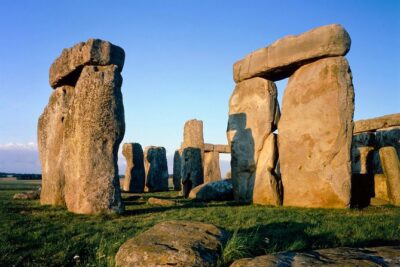
Stonehenge, Windsor Castle, and Bath from London
Read our review →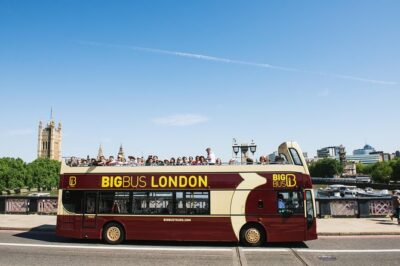
London Big Bus Hop-On Hop-Off Tour with Optional River Cruise
Read our review →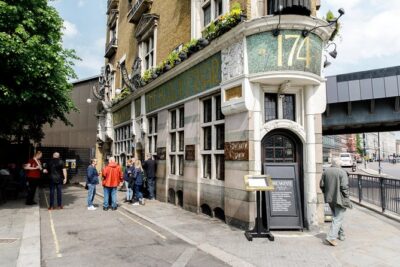
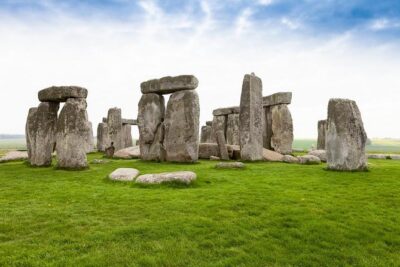
Stonehenge, Windsor Castle and Bath with Pub Lunch in Lacock
Read our review →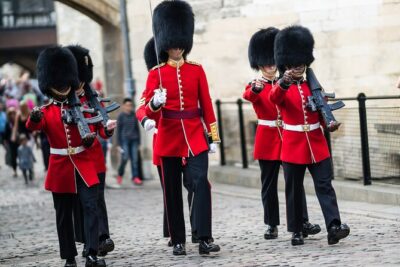
Tower of London and Crown Jewels Exhibition Ticket
Read our review →
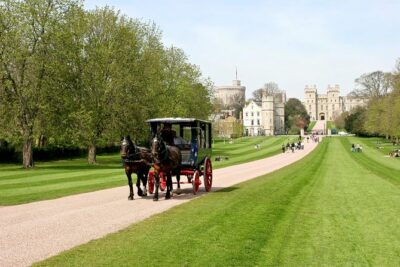
Stonehenge, Windsor Castle and Bath Full Day Guided Tour
Read our review →