
Reviewed · PHOTOGRAPHY SESSIONS
Private Night Photography Tour in London
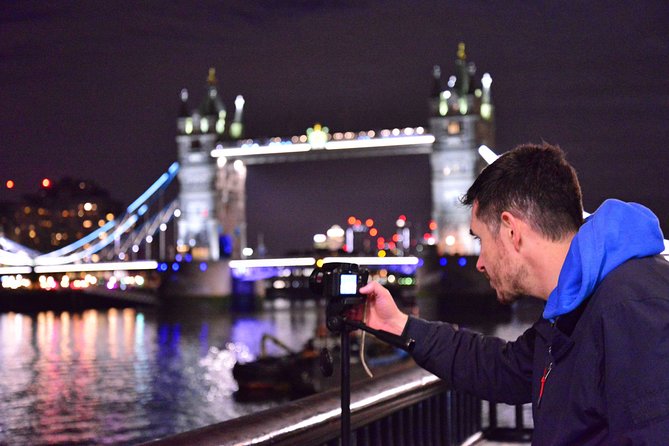
London after dark gives you more than pretty lights. With professional photographer David guiding you, you’ll learn how to turn car trails, river reflections, moving boats, and famous landmarks into deliberate photographic effects. The tour works with a DSLR, mirrorless camera, or smartphone, so you don’t need expensive equipment to take part.
I like the personal coaching, especially the way David adjusts his advice to the camera in your hand. I also like the route, which links the London Eye, St Paul’s Cathedral, the City of London, and Tower Bridge in one evening. One consideration: the experience is described as private, yet one participant reported joining a small group of three, so confirm the group arrangement if one-to-one teaching matters to you.
Key points to know before you book
- Use the camera you already own: David teaches with DSLRs, Canon cameras, Fujis, iPhones, and other smartphones.
- Practice real night techniques: Learn long exposures, light trails, reflections, multiple exposure settings, and creative zoom effects.
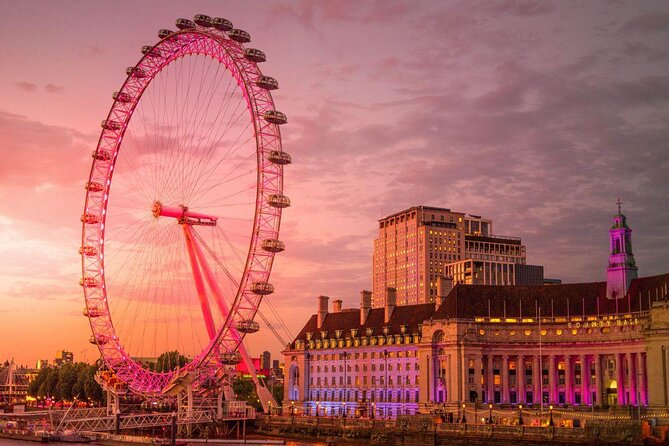
- Visit four strong photo locations: The route includes the London Eye, St Paul’s Cathedral, the City of London, and Tower Bridge.
- Get help beyond the walk: Your photography e-guidebook gives you tips to use after the evening ends.
- Plan for a tripod: Long exposures work best with one, though David has reportedly carried a spare on at least one occasion.
- Expect a flexible private experience: The advertised format is for your group alone, but confirm this before booking if you want fully private instruction.
Why London at night makes a good photography classroom
Night photography forces you to slow down. In daylight, your camera can often handle the technical work for you. After dark, small changes to shutter speed, aperture, focus, and ISO can completely change the picture.
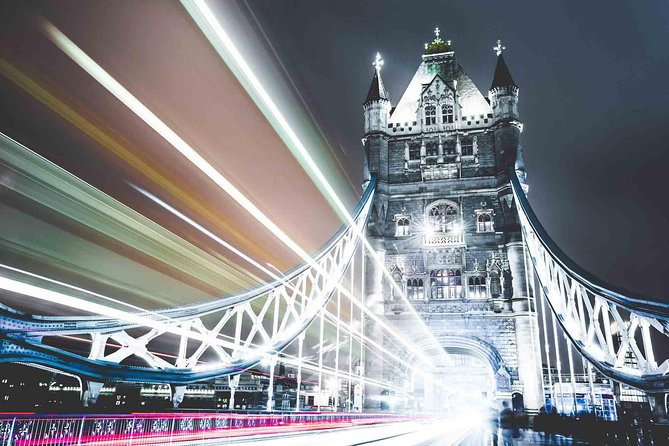
That makes this more than a sightseeing walk with a camera. You’ll work with light that moves, shines, reflects, and disappears. A passing boat can become a soft streak on the Thames. Traffic can turn into red and white ribbons. A bright landmark can look sharp and calm, or glowing and abstract, depending on your settings.
David’s teaching style, as described by participants, focuses on practical changes rather than technical talk for its own sake. He shows how a small adjustment can alter the final image, then gives you time to try it yourself. That approach is useful for beginners, but it also gives experienced photographers a reason to bring a camera they know well and test techniques they rarely use.
You can bring a DSLR, mirrorless camera, or smartphone. One participant used an iPhone after a camera battery died and still learned new ways to make night images. That is an important point. You do not need a large camera bag to get value from this experience.
A few more London trips to weigh up
- Professional Photoshoot in London Photographer
★ 5.0 · 102 reviews - Private landmarks photoshoot for families and couples
★ 5.0 · 92 reviews - Professional Private Photoshoot in London
★ 5.0 · 63 reviews
Start at Caffè Nero near Westminster
The meeting point is Caffè Nero, Unit B, Portcullis House, 1-2 Bridge Street, London SW1A 2JH. This puts you near Westminster and the south bank of the Thames, close to the first major photography area.
Arrive with your camera ready. Charge your battery, clear space on your memory card, and bring the tripod if you have one. A phone user should also bring a power bank if possible, since night photography can use battery quickly.
The tour description gives a duration of about two and a half hours, while the detailed description refers to a three-hour evening tour. Allow roughly two and a half to three hours, and avoid scheduling a tight dinner reservation or theatre curtain immediately afterward.
The route ends back at the meeting point. The experience does not include food or drinks, so eat beforehand or plan something for afterward.
London Eye: start with moving light and open views
The London Eye is a natural first stop. Its giant circular frame is easy to recognize, but the real lesson here is how to photograph a structure surrounded by changing light.
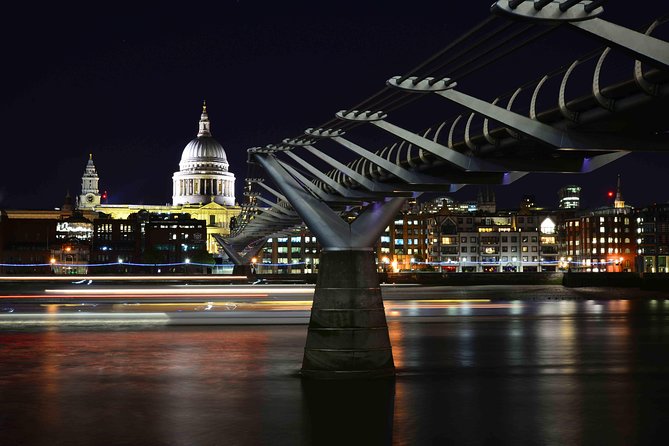
You may work on keeping the wheel sharp while allowing other elements to move, or use a slower shutter speed to create softer effects. Reflections along the Thames can add another layer, especially when the water picks up the lights from the wheel and nearby buildings.
This is also a good place to begin if you are new to manual settings. You can compare a quick exposure with a longer one and see the difference at once. David can help you adjust the camera, frame the scene, and decide how much of the surrounding river and skyline belongs in the picture.
Smartphone users should not feel left out here. Modern phones often offer night modes and manual controls, and the teaching can focus on keeping the phone steady, choosing the right angle, and avoiding a flat, automatic-looking result.
The area around the London Eye can have plenty happening after dark. That gives you useful subjects, but it also means you may need patience while people pass through your frame. The reward is a photograph that feels like London at night, not simply a picture of a famous wheel.
St Paul’s Cathedral: use shape, shadow, and long exposure
St Paul’s Cathedral gives the tour a different kind of subject. Its dome and classical lines work well against the night sky, while surrounding streets provide traffic and light that can add motion.
Here, the coaching may turn toward composition and exposure balance. A bright building beside a dark sky can fool a camera’s automatic settings. You’ll learn to watch the highlights and shadows rather than accepting the first exposure the camera suggests.
St Paul’s is also a useful setting for long exposures. With a tripod, you can keep the cathedral crisp while car lights stretch across the foreground. The result depends on timing. Too short, and the light trails barely appear. Too long, and bright areas can lose detail.
One participant learned that their camera could create multiple exposure images. Another tried zooming the lens during a long exposure to produce a creative burst of light. These are not essential techniques, but they show the kind of experimentation David brings into the session.
If you are an experienced photographer, this stop may be the most rewarding part of the evening. You already know how to operate your camera, so you can spend more time trying unusual effects. If you are starting out, the location gives you a clear subject and visible results as you change the settings.
Same country, a completely different day out:
- Stonehenge, Windsor Castle, and Bath from London
★ 4.5 · 18,662 reviews - London Big Bus Hop-On Hop-Off Tour with Optional River Cruise
★ 3.5 · 10,803 reviews - London Small Group Tour of Historical Pubs
★ 5.0 · 10,422 reviews - Stonehenge, Windsor Castle and Bath with Pub Lunch in Lacock
★ 4.5 · 7,402 reviews
The City of London: seek unusual angles between the landmarks
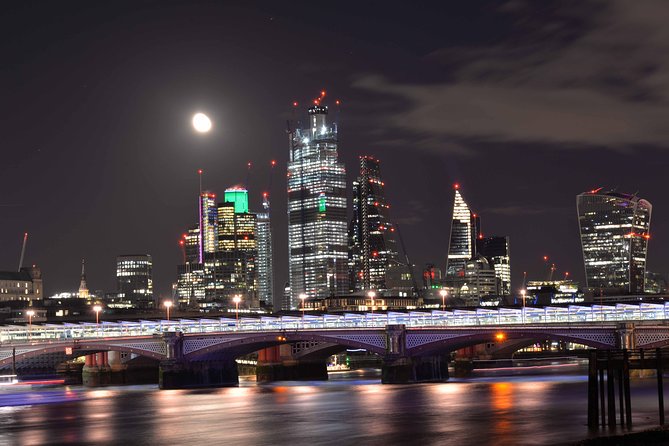
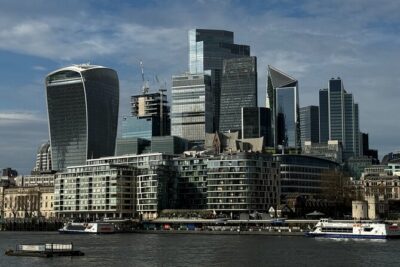
The City of London section adds variety. Instead of pointing only at the best-known monuments, David takes you toward less obvious corners and viewpoints for more artistic images.
The supplied details do not specify every street or exact viewpoint, so you should not expect a fixed list of secret locations. What you can expect is guidance toward angles that may be missed on a standard sightseeing walk. That could mean framing architecture between buildings, using reflections, or placing moving traffic against older structures.
This part of the route matters because good night photography is often about arrangement. A landmark alone may make a clear record, but a foreground shape, reflected light, or passing figure can give the image more character.
It is also a chance to practise without the pressure of photographing only one famous subject. David can help you decide what to leave out of the frame, how to use available light, and how to create a picture that feels intentional.
The walking itself requires a moderate level of fitness. You will move between several central London locations, stand while adjusting equipment, and spend time outside after dark. Wear comfortable shoes and bring clothing suited to the evening weather.
Tower Bridge: finish with reflections and river traffic
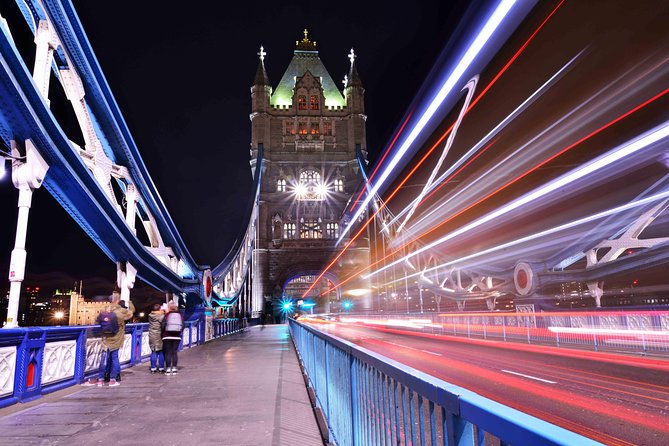
Tower Bridge is the grand finale of the route. Its illuminated towers, suspension lines, river setting, and passing traffic provide several ways to work with long exposure.
A tripod is especially useful here. You can keep the bridge sharp while allowing a boat to blur across the Thames, or record streams of vehicle lights near the bridge. Reflections can double the visual impact, though water movement and changing conditions will affect the result.
One account describes sharing a spare tripod brought by David after airline baggage problems. That is a helpful sign of practical support, but you should still ask ahead about equipment rather than assume a tripod will be available for every booking.
Tower Bridge also gives you a chance to combine the evening’s lessons. You may frame the bridge, control bright lights, wait for traffic, and use a slower shutter speed. The location rewards patience more than speed. If you rush, you may get a technically correct image. If you wait, you may catch the boat, car trail, or reflection that makes the frame worth keeping.
The tour returns to the original meeting point after this part of the route. The evening is not just a succession of stops. Each location gives you a different light problem to solve.
What David teaches during the walk
The strongest part of the experience is the instruction. David is repeatedly praised for being patient, encouraging, and able to explain camera settings in a useful way.
You can expect help with:
- Choosing shutter speed for light trails and moving boats
- Making long exposures without losing detail
- Working with reflections along the Thames
- Framing well-known landmarks in less predictable ways
- Using smartphone night modes and camera controls
- Exploring multiple exposures and zoom effects
- Adjusting settings for low-light scenes
- Building skills that also work in daylight
The teaching is hands-on. You are not simply watching a professional photographer take pictures. You practise with your own equipment and receive advice as you work.
That matters for phone photographers. Many camera tours quietly assume you own a DSLR. This one specifically welcomes smartphones, and a participant used an iPhone successfully after a camera battery failed. You can still learn about stability, composition, timing, and light even when your phone gives you fewer manual controls.
For more experienced users, the value comes from creative direction. David is familiar with many camera brands, though one Fuji user noted that they needed to know their own camera menus. That is fair advice for any camera lesson. Bring a camera you can operate, or spend a little time learning the basic controls before you arrive.
Private format, group size, and the cost
The price is $164.52 per person. That is a significant amount for a two-and-a-half-hour city walk, but the value depends on how much instruction you want.
If you are travelling with a partner, family member, or small group, private teaching can make the cost easier to justify. You get a professional photographer’s attention while photographing major London sights, plus an e-guidebook and tour or group photos. A normal sightseeing walk may show you the same landmarks, but it will not usually teach you how to capture light trails or control a night exposure.
The private format needs a quick check. The activity information says only your group will participate. However, one participant described a group of three and said the session was not private instruction. That may reflect different booking arrangements or a small shared departure. If you are paying for one-to-one coaching, ask the provider to confirm the exact group size before you commit.
There is also a group discount feature, which may help if you are booking with several people. Since the price is listed per person, check the total for your party and compare it with the benefit of sharing the instruction.
The rating is 4.9 from 29 reviews, with 97 percent of customers recommending the experience. Those figures suggest a very consistent level of satisfaction, though the small sample size means you should still match the tour to your own needs.
Equipment, batteries, and weather
You can use a DSLR or smartphone, but your preparation will affect the evening.
A tripod is the most important accessory for long exposures. Without one, you may need to rely on a wall, railing, or other stable surface, and you will have less freedom with composition. Bring your own if you can. If you do not have one, ask David in advance whether a spare is available.
Charge your battery fully. One participant’s camera battery died during the walk, and switching to an iPhone saved the session. A spare battery or power bank is wise.
Bring a lens cloth, especially if the evening is damp. Reflections and glowing lights can look soft if the lens picks up moisture. Comfortable shoes are also important, since this is a walking activity rather than a stationary lesson.
London weather can change quickly. One participant reported that David bought an umbrella when rain began. That shows a thoughtful approach, but you should still bring waterproof clothing or a compact umbrella. The tour is outdoors, and weather may affect reflections, visibility, and how comfortable you feel while standing with a tripod.
Who will get the most from this experience
This tour suits a wide range of photographers.
Beginners get a guided introduction to low-light settings without having to work out every control alone. You can ask basic questions and see the result immediately.
Phone photographers get practical help with a tool they already carry. The session can improve composition and timing even if your device offers limited manual control.
Hobbyists have a chance to practise techniques that are easy to avoid at home, including long exposures, light trails, and creative zooming.
Experienced photographers may enjoy the unusual angles, city knowledge, and chance to test multiple exposure or abstract effects. You will get more from the evening if you arrive ready to experiment rather than simply collect postcard views.
It may not suit you if you want a fast-paced sightseeing tour with little instruction. The route is built around stopping, adjusting settings, taking test images, and trying again. It also may not suit anyone who dislikes outdoor activity after dark or needs a fully accessible, low-walking experience, since a moderate fitness level is required.
Booking details and cancellation
Confirmation is provided when you book. The meeting point is Caffè Nero at Portcullis House, and the tour finishes back there.
Free cancellation is available if you cancel at least 24 hours before the local start time. Cancellations or changes made within 24 hours are not accepted for a refund.
The experience is offered in English. Food and drinks are not included.
Should you book the London night photography tour?
Book it if you want to learn while you photograph. The route covers four major London settings, but the real benefit is the practical coaching from David. You will leave with more than landmark snapshots if you take part actively, ask questions, and try the settings yourself.
I especially recommend it for anyone travelling with a camera that feels underused. It is also a strong choice for a phone photographer who wants better night images without buying new equipment.
Before booking, confirm the exact duration, group size, and tripod arrangements. If those details suit you, the $164.52 price can be fair for private or very small-group instruction in central London. If you only want a guided city walk and do not care about photography, spend less elsewhere. If you want to understand how those city lights become photographs, this is a worthwhile evening.
FAQ
How long does the tour last?
The stated duration is approximately two hours and 30 minutes. The detailed description refers to a three-hour tour, so you should allow roughly two and a half to three hours.
Can I use a smartphone instead of a DSLR?
Yes. The experience is designed for DSLRs and smartphones, and instruction can include phone camera controls and night photography techniques.
Where does the tour start and finish?
It starts at Caffè Nero, Unit B, Portcullis House, 1-2 Bridge Street, London SW1A 2JH. It ends back at the same meeting point.
Which London sights are included?
The route includes the London Eye, St Paul’s Cathedral, the City of London, and Tower Bridge. The photography also includes Thames reflections, car light trails, and boats on the river.
Do I need a tripod?
A tripod is strongly useful for the long exposures taught during the tour. One participant shared a spare tripod brought by David, but you should ask the provider about availability rather than assume one will be supplied.
Is the tour private?
The experience is described as a private activity for your group alone. However, one participant reported taking part in a group of three, so confirm the group arrangement before booking if private instruction is important to you.
Just added around London
- Private The Beatles Taxi Tour in London★ 5.0 · 12 reviews
- Dinner and Jazz Cruise on the River Thames★ 4.0 · 140 reviews
- Airport Coach Service from Heathrow to Oxford★ 3.5 · 67 reviews
- The Alfred Hitchcock London Walk with Sandra Shevey★ 5.0 · 15 reviews
- Tower of London & 30+ London Sights Walking Tour★ 4.5 · 33 reviews
- Thames Beachcombing★ 4.5 · 100 reviews
- Ted Lasso London Taxi Tour★ 5.0 · 5 reviews
- Ted Lasso Tour of Richmond with Private Guide★ 5.0 · 25 reviews
Photography Sessions, compared.
Professional Photoshoot in London Photographer
Read our review →
30 Major London Attractions Walking Tour With Photos
Read our review →
Browse the lists this tour appears in