
Reviewed · JACK THE RIPPER TOURS
London Private Jack The Ripper Tour
Jack the Ripper’s story comes alive through the streets where the murders happened, not behind museum glass. This private London walk links Whitechapel, Mitre Square, Goulston Street, Gunthorpe Street, and Spitalfields with the police clues, newspaper panic, and unanswered questions that still fuel the case.
I like the private format, which lets your group ask questions and set the pace instead of trailing behind a large crowd. I also like the route’s focus on evidence and context, from Victorian inquests to the famous clue found on Goulston Street. The main drawback is that the tour covers a lot of ground in 2.5 hours, including a London Underground journey between Whitechapel and Aldgate that is not included.
Key Points
- Eight stops across historic Whitechapel: Follow the route from Polly Nichols’s murder site to the area near Mary Kelly’s final home.
- Private groups of up to 15: Your guide can give your party direct attention and answer questions as they arise.
- A crime story shaped by the press: Learn how newspaper reports and letters helped create the name Jack the Ripper.
- Real investigation details: Hear about inquests, witnesses, police work, the Goulston Street clue, and modern forensic thinking.
- A walking tour with practical demands: Wear comfortable shoes and expect a moderate level of physical activity.
- Strong guide feedback: Michael is specifically praised for his detailed explanations, calm manner, and care in walking one solo participant to the Tube.
Following Polly Nichols into Whitechapel

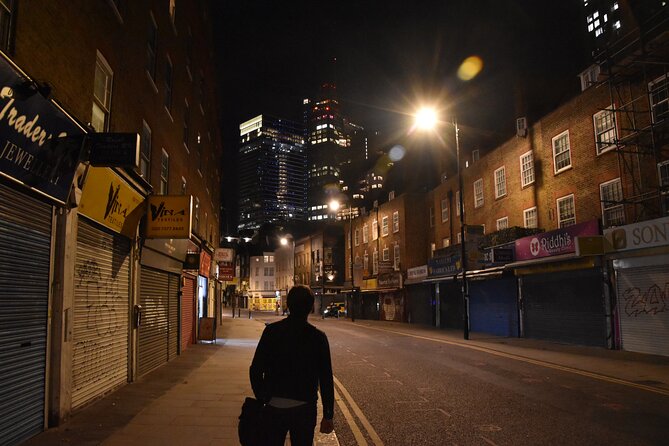
The tour starts at 277 Whitechapel Road, a short walk from Whitechapel Station. This opening stop concerns Polly Nichols, regarded as the first canonical victim in the usual Jack the Ripper case.
Your guide sets up the central problem at once: what happened to Nichols, how she was found, and why her death is counted as the first official murder in the series. That distinction matters because the Ripper case has never had a perfectly agreed list of victims. Some deaths are treated as possible earlier attacks, while five are generally grouped as the canonical victims.
The first stop lasts about 10 minutes. That may sound brief, but it gives the guide room to establish the facts before the route moves on. You are not simply shown a street corner and handed a dramatic tale. You are encouraged to consider how investigators identified the murder pattern and why one case became linked to others.
This is a serious subject involving violence against women, so the tone may not suit everyone. The focus is historical investigation rather than light entertainment, and you should expect frank discussion of the murders.
More Jack the Ripper Tours in London:
- London Jack the Ripper Guided Tour with Ripper-Vision
★ 4.5 · 4,840 reviews - London Jack The Ripper Guided Walking Tour
★ 5.0 · 3,131 reviews - Ultimate Jack the Ripper : Guided Tour of London
★ 5.0 · 1,495 reviews
Victorian justice at the Working Lads Institute
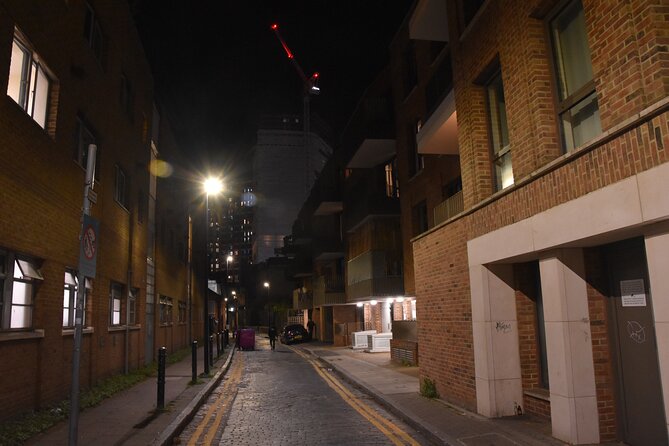
The second stop takes you outside the former Working Lads Institute, where inquests connected with the murders were held. Here, the story shifts from the crime scene to the legal process that followed.
Your guide explains how Victorian inquests worked, how witnesses were called, and how the proceedings developed in the Ripper cases. This is one of the tour’s most useful elements because it shows the limits of nineteenth-century policing and communication. An inquest was not a modern trial, and the evidence was gathered in a very different setting from what you may know today.
The stop lasts roughly 10 minutes. Listen for the difference between confirmed facts, witness accounts, and later speculation. That distinction is essential on any Jack the Ripper tour, where popular stories often run ahead of the available evidence.
Annie Chapman and the press panic on Hanbury Street
At 29 Hanbury Street, you hear about Annie Chapman, the second canonical victim. Her murder intensified public fear and placed growing pressure on the police to find the person newspapers called the Whitechapel Murderer.
This is where the tour widens beyond the individual crime. Your guide explains how newspaper coverage helped shape the public image of the killer and how fear fed the legend that later became Jack the Ripper. The media did not merely report events. It helped connect separate murders in the public mind and turned a local criminal investigation into a national obsession.
The Hanbury Street stop is another short 10-minute visit, but the idea it introduces carries through the rest of the walk. You will keep hearing the difference between what was known at the time and what was added later by headlines, letters, books, and public imagination.
I find this part especially valuable for anyone who wants more than a grisly walk. It shows how a criminal case becomes a cultural story. The Ripper’s identity remains unknown, but the newspapers gave the case a memorable villain, a dramatic name, and a shape that still sells books and tours.
Liz Stride and the problem of defining a Ripper victim
The fourth stop is Henriques Street, formerly Berner Street, where Liz Stride was found dead. Stride was not mutilated after her murder, leading some people to argue that she was not a true Ripper victim.
That uncertainty makes her case central to the tour. If the same killer was responsible, why was Stride’s body treated differently? Was the attacker interrupted? Was another person responsible? Or did the public and police force several separate crimes into one pattern?
Your guide presents the reason for the continuing debate without pretending the case has a neat answer. The stop helps you understand why the term canonical is useful. It identifies the five murders most often linked to Jack the Ripper, but it does not prove that every one involved the same killer.
Henriques Street also gives you a chance to think about how investigators work with incomplete evidence. A missing detail can be just as important as a known one, and Stride’s case is a clear example of how one difference can fuel decades of argument.
A few more London trips to weigh up
- The Premier Classic London: Private 4-Hour Tour in a Black Cab
★ 5.0 · 2,737 reviews - Stonehenge Inner Circle Private Tour from London with Bath Visit
★ 5.0 · 1,909 reviews - Private Tour: Black Taxi Tour of London
★ 5.0 · 1,153 reviews - Private London Arrival Transfer – Airport to Hotel / Accommodation
★ 3.5 · 1,085 reviews
Mitre Square and the famous double event
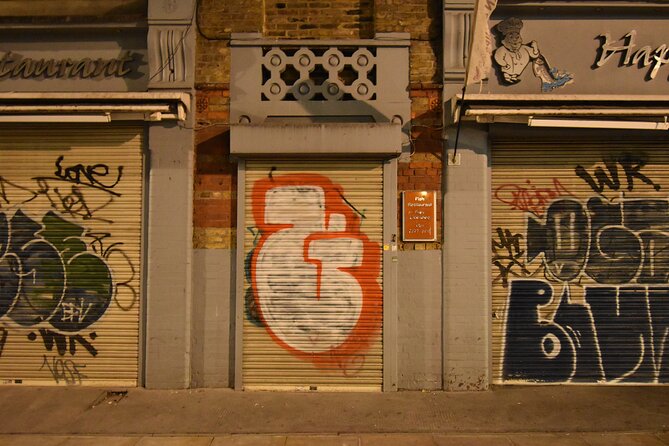
The route continues to Mitre Square, where Catherine Eddowes was murdered. Her death came on the same night as Liz Stride’s, creating what became known as the double event.
This is one of the key moments in the story. Two murders in one night intensified the police emergency and public alarm. It also helped cement the idea that a single, highly active killer was moving through Whitechapel.
The guide also explains the communications sent to the Central News Agency in London and how the name Jack the Ripper became attached to the Whitechapel murderer. The change in language is worth paying attention to. The killer was not known by one fixed name from the start. The label emerged through letters, newspaper treatment, and public use.
Mitre Square is a good place to ask questions about certainty. You can hear what is linked to the double event, what came from contemporary communication, and what became part of the later legend. The tour does not solve the murder case, but it helps you see how the case was framed.
Goulston Street and the clue left behind
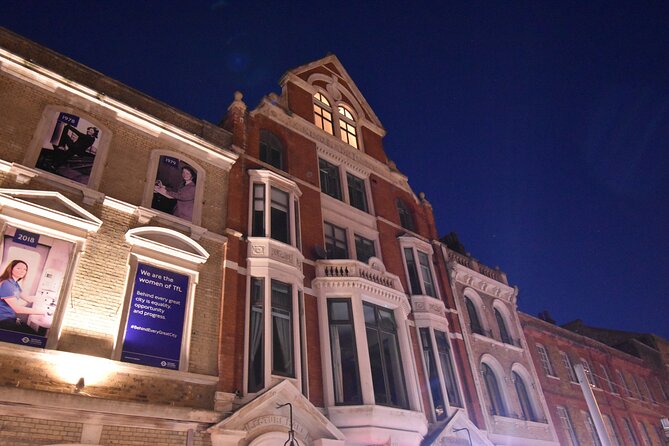
Goulston Street is the sixth stop and concerns a vital clue found during the investigation. The detail is important because it shows how police work depended on physical evidence, timing, and interpretation.
Your guide explains the role this clue played in the search for the killer. You will also see how a single piece of evidence can become controversial when investigators cannot establish exactly who left it, when it was created, or what it meant.
This stop should appeal to anyone interested in detective work. It moves the tour away from the victims’ biographies and toward the mechanics of an investigation. The guide connects the clue with the wider case and helps you consider how modern researchers and forensic specialists have revisited old evidence.
There is no admission fee at any of the stops. You are visiting public streets rather than entering a paid attraction, so the value comes from the guide’s explanation and the route itself.
Gunthorpe Street and the possible first murder
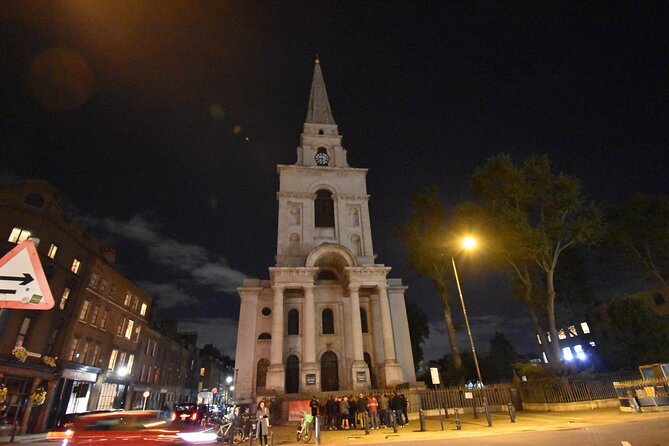
At Gunthorpe Street, the guide discusses an earlier possible murder. This case may predate the five canonical killings and could represent the Ripper’s first murder, although it remains uncertain.
This is another point where the tour handles the open questions that make the case so enduring. You will hear how modern policing methods and forensic science have been applied to old Ripper investigations, and why Victorian crimes continue to attract attention.
The stop also helps explain why the case has not faded. The killer was never identified, the evidence is incomplete, and several possible victims sit outside the accepted list. Modern tools can re-examine old material, but they cannot always repair missing records or settle every dispute.
The guide’s role is particularly important here. A private tour gives you more room to ask how modern investigators assess historical evidence. If you have read about particular suspects or theories, this is a useful place to ask which claims rest on records and which depend mostly on later speculation.
Spitalfields Market and Mary Kelly
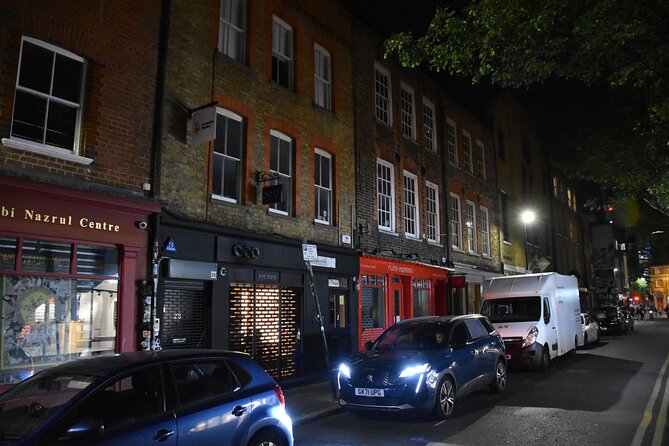
The final stop is near Old Spitalfields Market, close to the site associated with Mary Kelly, the fifth and final canonical victim. Her murder completes the familiar five-victim sequence used in most accounts of the Ripper case.
Ending near Spitalfields Market gives the route a clear finish, both geographically and in the standard chronology. From here, the tour continues to Liverpool Street Station, where it ends.
The final stop is also a reminder that the tour is about a living part of London, not a preserved crime museum. Streets change, buildings disappear, and markets develop new uses. Your guide helps connect the present-day area with the nineteenth-century events without pretending that the modern setting looks exactly as it did then.
That contrast can be striking. You may find yourself looking at an ordinary London street while hearing about an investigation that became one of Britain’s most famous unsolved cases.
What a private 2.5-hour format really offers
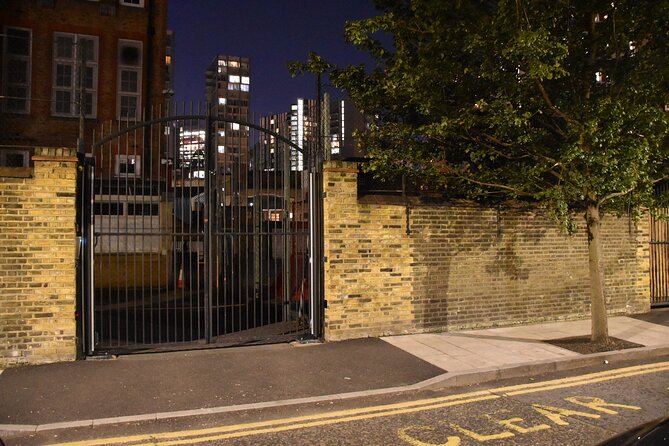
The tour lasts about two hours and 30 minutes and is limited to your private group, with up to 15 people. That format is useful if you want to ask questions, pause for clarification, or keep the discussion focused on the parts of the story that interest you most.
A group of 15 is not tiny, so do not expect a one-to-one private lecture. Still, it is more personal than a large public walk. One review specifically praises the chance to spend time hearing from the guide rather than being lost in a bigger crowd.
The route requires moderate physical fitness. You will walk between several locations and should wear comfortable shoes. One review gives the clearest practical advice: choose footwear carefully. The tour also includes travel on the London Underground between Whitechapel and Aldgate, and that Tube journey is not included in the price.
The start is near Whitechapel Station, while the finish is Liverpool Street Station. That makes the route useful if you plan to continue sightseeing or return to central London from Liverpool Street. The tour does not return you to the starting point.
Guide quality and personal attention
The guide can make or break a tour built around familiar material. This experience includes a live English-speaking guide, and Michael is specifically praised for detailed explanations and a reassuring manner.
One solo participant felt nervous before booking but found Michael comfortable and professional throughout the walk. At the end, he walked her to the Tube station. That small act suggests a helpful level of attention, particularly for someone exploring the East End alone or visiting London for the first time.
The tour allows service animals and is near public transport. Confirmation is provided at booking, and the experience is offered only to your group. The supplied rating is 5 out of 5 from nine reviews, a small sample, so I would treat it as a positive signal rather than a guarantee that every guide or departure will feel identical.
Is $246.91 good value for a group?
The listed price is $246.91 per group of up to 15 people, not per person. That distinction matters. A couple pays considerably more per head than a full group, while 10 to 15 people can bring the individual cost down sharply.
For a full group of 15, the price works out to about $16.46 per person. For five people, it is about $49.38 each. If you are traveling alone or as a pair, a shared walking tour may cost less, but it will not offer the same private setting.
You are paying for the guide, the route, and direct attention. There are no admission tickets included because the stops are public locations, and the Tube fare between Whitechapel and Aldgate is extra. Budget for that short transport cost and bring comfortable shoes rather than expecting an attraction-style experience with indoor facilities.
I think the price makes the most sense for families, friends, or small private groups with a strong interest in crime history. It is less compelling if you simply want a quick atmospheric walk or are trying to keep London costs very low.
Who should book this Whitechapel walk?
You should consider this tour if you want:
- A private experience for your own group
- A detailed account of the five canonical murders
- More attention from the guide than a large public walk usually allows
- Discussion of Victorian inquests, police work, press coverage, and forensic research
- A different view of London history beyond palaces, museums, and royal sights
It may not suit you if you dislike graphic historical subjects, have difficulty walking for 2.5 hours, or want a fully indoor experience. The itinerary moves through public streets and includes an Underground transfer, so plan for changing surroundings and a fair amount of walking.
The tour is offered in English only. It is also best for people who enjoy asking questions and weighing evidence. If you already know the basic story, the value will come from the disputes, legal procedures, press influence, and police clues rather than from simply hearing the names of the victims again.
Should you book the London Private Jack the Ripper Tour?
Book it if you want a focused, private look at one of London’s most disputed crimes, especially as part of a group that can share the cost. The route covers the main murder sites, explains how the name Jack the Ripper developed, and gives you plenty of context about Victorian investigation and modern attempts to reassess the evidence.
I would be cautious if you want an inexpensive activity for one person, dislike walking, or expect preserved buildings and dramatic museum displays. For the right audience, though, this is a thoughtful way to see Whitechapel through a darker chapter of its past, with a guide who can separate the documented case from the stories built around it.
FAQ
Where does the London Private Jack the Ripper Tour start?
The tour starts at 277 Whitechapel Road, London E1 1BY, near Whitechapel Station.
Where does the tour finish?
The tour finishes at Liverpool Street Station, London EC2M 7QA.
How long does the tour last?
The experience lasts approximately two hours and 30 minutes.
How many people can join the private tour?
The private tour is for your group only and can include up to 15 people.
Is the tour offered in English?
Yes. The tour is offered in English and includes a live guide.
Is Underground travel included in the price?
No. Travel on the London Underground between Whitechapel and Aldgate is not included.
What physical fitness level is required?
A moderate level of physical fitness is recommended. You should wear comfortable walking shoes.
Are service animals allowed?
Yes. Service animals are allowed on the experience.
Can I cancel for a full refund?
Yes. You can cancel up to 24 hours before the experience start time for a full refund. Changes or cancellations made less than 24 hours before the start time are not accepted for a refund.
Just added around London
- Private The Beatles Taxi Tour in London★ 5.0 · 12 reviews
- The Alfred Hitchcock London Walk with Sandra Shevey★ 5.0 · 15 reviews
- Dinner and Jazz Cruise on the River Thames★ 4.0 · 140 reviews
- Airport Coach Service from Heathrow to Oxford★ 3.5 · 67 reviews
- Tower of London & 30+ London Sights Walking Tour★ 4.5 · 33 reviews
- Thames Beachcombing★ 4.5 · 100 reviews
- Ted Lasso London Taxi Tour★ 5.0 · 5 reviews
- Ted Lasso Tour of Richmond with Private Guide★ 5.0 · 25 reviews
Jack the Ripper Tours, compared.
London Jack the Ripper Guided Tour with Ripper-Vision
Read our review →
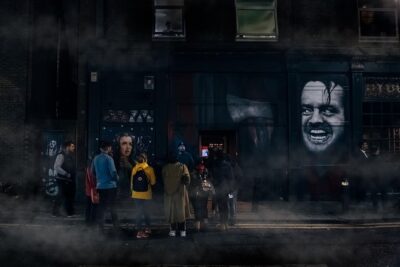
Ultimate Jack the Ripper : Guided Tour of London
Read our review →
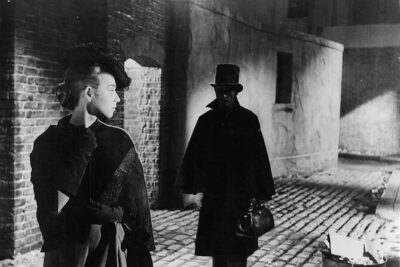
London Jack The Ripper Small-Group Walking Tour
Read our review →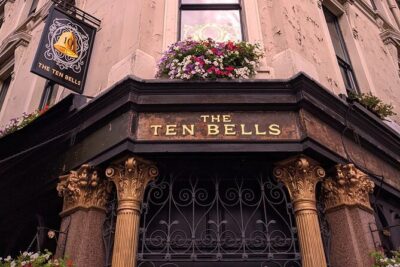
The Original Jack the Ripper Coach Tour of Haunted London
Read our review →
Browse the lists this tour appears in