Reviewed · LONDON TOURS
See Tate Modern with an Art Historian in London
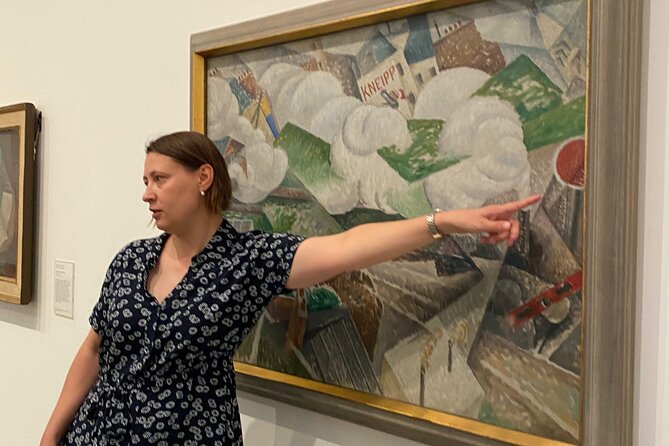
Tate Modern can make you feel clever, puzzled, or both within the same five minutes. This two-hour tour gives you a useful way into that uncertainty, with an art historian asking what you see before explaining the artist, period, and ideas behind the work.
I like the question-led approach, which treats your first reaction as part of the visit rather than something to hide. I also like the small group of up to 10, since guides such as Julia can adjust the pace, invite family members into the conversation, and answer questions without turning the tour into a lecture.
The main drawback is price. At $137.12 per person, this is a serious outlay for two hours, especially since Tate Modern itself has free general admission. The value depends on how much help you want making sense of modern and contemporary art.
Key points to know before booking
- Art comes before art jargon: You are asked to look closely and offer your own reading before the guide supplies context.
- Julia is the most frequently named guide: Her style is energetic, witty, interactive, and suitable for adults and children.
- The tour covers ideas as well as objects: Expect discussion of abstract art, political activism, photography, sculpture, gender, and the power of art.
- Two hours gives you a focused start: You see selected highlights, then have time to continue alone inside the huge museum.
- The group is limited to 10 people: That makes it easier to ask questions and shape the conversation.
- Temporary exhibitions cost extra: General entry is included, but paid exhibitions are not part of the included admission.
Why an art historian changes Tate Modern
Tate Modern is free to enter, large enough to swallow an afternoon, and filled with work that does not always explain itself. You can walk past a painting that looks simple, strange, or unfinished, then wonder if you have missed the point.
That is where this experience earns its keep. The guide does not simply point out famous works and recite dates. You are encouraged to say what you notice first. Color, shape, scale, materials, mood, and even your dislike of a piece can become useful evidence.
That method matters because modern art often asks you to reconsider the rules. A sculpture may be made from ordinary materials. A photograph may raise questions about authorship and truth. An abstract painting may communicate through rhythm and color instead of a recognizable scene.
The tour also places art in its wider setting. You discuss how artists responded to political events, social change, gender, technology, and new ways of thinking. This helps you see that modern art did not appear from nowhere. It grew from arguments about what art could be and who had the right to define it.
You do not need a degree in art or a working knowledge of movements and artists. The experience is designed to build your confidence as you look. If you usually say I do not understand modern art, you get a practical starting point: describe what is in front of you, ask what choices the artist made, and consider what those choices might mean.
Other London days people book alongside this one:
- Stonehenge, Windsor Castle, and Bath from London
★ 4.5 · 18,662 reviews - London Big Bus Hop-On Hop-Off Tour with Optional River Cruise
★ 3.5 · 10,803 reviews - London Small Group Tour of Historical Pubs
★ 5.0 · 10,422 reviews
Beginning at Tate Modern
The meeting point is Tate Modern in London SE1, and the activity ends back there. You receive a mobile ticket, and general entry to the museum is included.
The practical advantage is simple. You are already at the museum, so there is no extra transfer between sights. Tate Modern is near public transportation, and free luggage storage is included, which can help if you are carrying bags during a day of sightseeing.
The tour lasts about two hours. That is short enough to fit into a busy London plan, but long enough to discuss a useful selection of works rather than rush through a checklist.
Because the museum is so large, a guide-led visit helps you get your bearings quickly. You will not see everything, and that is not the aim. The point is to spend proper time with selected works and leave with a better way to continue on your own.
The group limit is 10 people. The actual feel can vary with the booking, but a small group gives you a better chance to speak than a large coach-style tour. It also allows the guide to respond to the interests of the people in front of her.
Looking first, learning second
The strongest feature is the interactive format. A guide such as Julia may ask you what you see before giving you the background. You might discuss the materials, arrangement, subject, or emotional effect of a work, then compare your response with the artist’s time and intentions.
This is more useful than being handed a fixed answer. Art can carry several readings, and the tour makes room for that. You are not required to like a work in order to understand it. You are also not told that every interpretation is equally strong without support. The guide helps connect your response to visible details and historical context.
That balance is important. A purely academic talk can leave you feeling shut out. A loose conversation without facts can feel pleasant but thin. This experience aims for both: your own reaction, followed by an informed explanation.
You can expect questions such as how abstract art developed, what happened to sculpture during the 20th century, and whether photography belongs in the category of art. The discussion also asks who decides what counts as art and if art can change society.
Those questions give the visit a clear shape. Instead of treating each gallery as a separate room, you begin to see links between artists, methods, and ideas.
Julia, Rosa, and the guide’s role
Julia is the guide most often identified by name in the available feedback. Her strengths are described as energy, humor, clear teaching, and an ability to involve everyone, including children around 10 or 11 years old.
That family angle is worth noting. The tour is not built only for serious art students. Julia has been praised for asking children questions and helping them form their own ideas. If you are visiting with a young person who normally finds museums slow, the interactive format may hold attention better than a silent walk through the galleries.
Julia also appears to tailor the experience to personal interests. One couple found the discussion useful because she combined artist facts with cultural and political context, then offered restaurant suggestions for the area where they were staying. Food advice is not the core product, of course, but it suggests a guide who pays attention to the people in front of her.
Rosa is another named guide. Her background includes work at the National Gallery and study across several art periods. If your booking places you with Rosa, you can expect a guide with a broad art background and a detailed understanding of museum collections.
You cannot choose a particular guide from the information provided, so book this for the method and subject rather than as a guaranteed Julia tour. Still, the repeated praise for Julia gives you a useful picture of the tone: lively, direct, and welcoming to people who may not feel at home in galleries.
Same country, a completely different day out:
- Stonehenge, Windsor Castle and Bath with Pub Lunch in Lacock
★ 4.5 · 7,402 reviews - Tower of London and Crown Jewels Exhibition Ticket
★ 4.5 · 6,677 reviews - Thorpe Park Admission Ticket
★ 4.0 · 5,915 reviews - Stonehenge, Windsor Castle and Bath Full Day Guided Tour
★ 4.5 · 5,346 reviews
The works and ideas you may explore
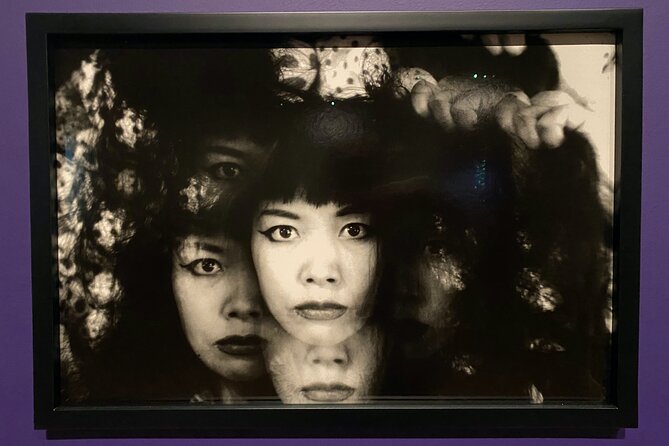
The exact route can change, which is sensible in a museum with a changing display. The experience focuses on highlights from Tate Modern’s collection, while also allowing time for works you might otherwise pass without noticing.
The discussion may include abstract painting, political activist art, modern sculpture, photography, and the role of gender in art. These are not random topics. Together, they show how art changed during the 20th century and how artists challenged older expectations.
One particularly useful feature is the attention to historical and political attitudes. A work can look purely formal at first, but the artist may have been responding to war, power, identity, protest, or a changing society. Context does not replace your response. It gives you more evidence with which to consider the work.
A piece mentioned favorably is Juan Gris’s Bottle of Rum and Newspaper. If this work is included in your visit, the guide can help you consider how a still life can be built from fragments, printed material, and altered views of everyday objects. Do not assume that one specific work is guaranteed, but it gives you an idea of the close looking the tour encourages.
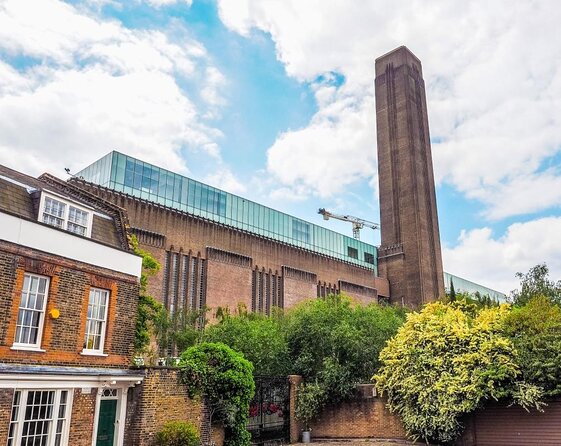
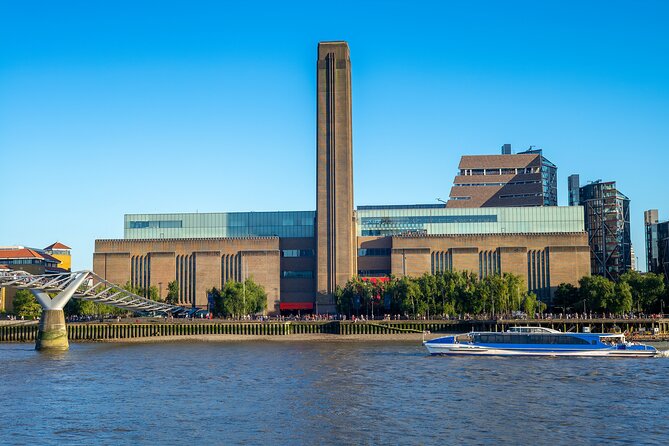
The guide also points out the building itself. Tate Modern occupies a former power station, and its industrial structure adds another layer to the visit. The architecture is not just a container for art. Its scale, materials, and past use affect how the galleries feel.
What two hours can and cannot do
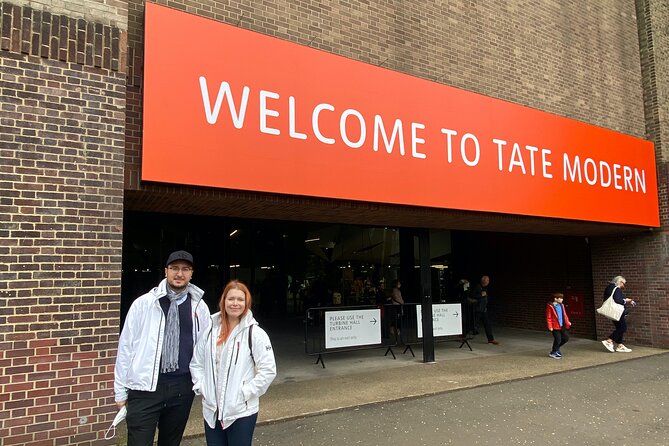
Two hours is a good length for a first visit or a focused introduction. You have enough time to settle into the guide’s method, examine several works, and ask questions. You also avoid the mental fog that can arrive after a full day of museum rooms.
The limitation is obvious: Tate Modern is enormous. A two-hour tour cannot cover the complete collection, every major artist, and every gallery in detail. If you want an exhaustive museum visit, you will need more time afterward.
That short length becomes an advantage if you plan carefully. Treat the tour as your guided opening session, not your entire Tate day. After it ends, you can return to a gallery that caught your attention, see a section the guide did not cover, or simply take a break.
The itinerary ends at the starting point, so you are not left across London. Since the tour takes place inside Tate Modern, you can continue exploring if your schedule allows.
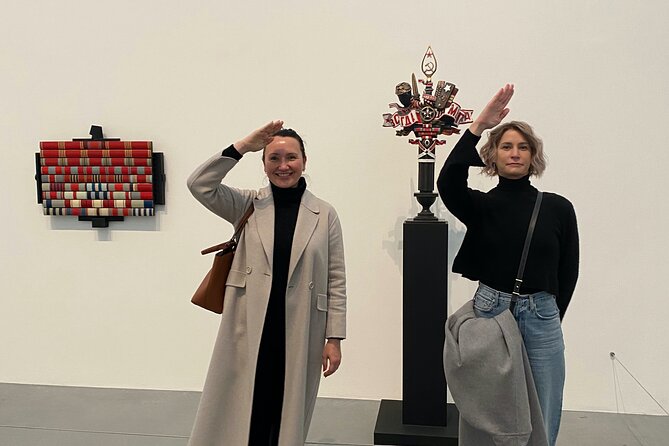
A photograph or two in front of chosen works is included. This is a small touch, but it can be pleasant for couples, families, or solo visitors who want a record of the day without arranging a stranger to take the picture.
Is $137.12 per person good value?
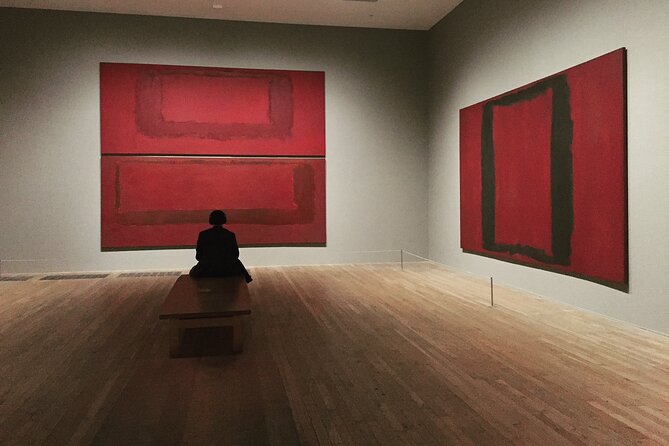
The price is the hardest part to assess. General entry to Tate Modern is free, so you are paying for the guide, the planning, the small-group setting, and the way the visit is taught. You are not paying for access to a normally closed museum.
At $137.12 per person, the cost is high for a two-hour activity. A solo visitor on a tight budget may reasonably choose free entry and use the museum’s own displays at their own pace. You can see plenty without booking a guide.
The calculation changes if modern art usually leaves you cold or confused. In that case, one good explanation can transform the rest of the visit. You are buying a framework for looking, not just a walk between famous paintings.
The small group improves the value. With no more than 10 people, you have a better chance to ask about a particular artist, return to a detail, or explain why a work does not connect with you. A private booking may feel even more personal, but the supplied details do not guarantee that every departure is private.
The free luggage storage adds practical value, though it should not decide the booking by itself. Paid temporary exhibitions are not included, so check your plans before assuming every special display is covered. One guide-led visit included access to a paid exhibition without a separate charge in that case, but the stated terms say temporary exhibitions are excluded, so you should not count on that.
My advice is clear: book if you want help understanding the collection and can afford the premium. Skip it if you are happy to wander, read labels, and form your own opinions without expert guidance.
Who will get the most from this visit?
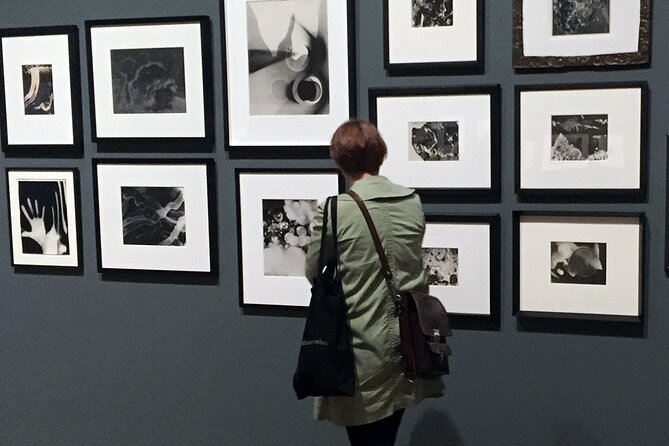
This tour suits first-time visitors who want a clear introduction to modern and contemporary art. It also works well for people who already enjoy art but want historical links, artist background, and a more focused route through Tate Modern.
Families are a strong match. The guide’s questions give children a role, and the tour does not require them to sit quietly while an adult delivers a long speech. Couples can also enjoy the format because it creates conversation instead of leaving each person to silently inspect separate walls.
Solo visitors may find the small group especially useful. You have someone to talk with, and the guide can help you decide which parts of the museum deserve more of your limited time.
The experience is also offered for groups and team-building exercises. That makes sense because the tour asks people to compare reactions and listen to different readings of the same work.
You should think twice if you want only famous masterpieces, a strict chronological tour, or a long specialist lecture on one movement. The approach is broader and more conversational. It focuses on learning how to look, with selected works used as examples.
Most people can participate, and service animals are allowed. The activity is near public transportation. No prior art knowledge is required.
Booking, weather, and cancellation details
You receive confirmation at the time of booking, and the experience is offered in English. It is commonly booked about 25 days ahead, so reserving early may help if your London dates are fixed.
Free cancellation is available up to 24 hours before the start time. Cancel at least 24 hours ahead for a full refund. Inside that window, refunds are not provided and changes are not accepted.
The experience requires good weather and a minimum number of participants. If poor weather or low numbers cause cancellation, you are offered another date or experience, or a full refund. The weather condition is worth noting because the activity itself is based inside Tate Modern, so you may want to confirm the status before setting out if the forecast is poor.
Should you book See Tate Modern with an Art Historian?
Book this experience if you want Tate Modern to become less intimidating and more personal. The best part is not simply learning names and dates. It is learning to trust your first observations, test them against evidence, and understand why a work was made in a particular time.
Julia appears to be a particularly strong fit for families, couples, and visitors who enjoy an energetic guide. Rosa offers a different appeal, with experience connected to the National Gallery and a broad grounding in art history. Since the guide is not guaranteed, focus your decision on the interactive format.
I would not call $137.12 a bargain when museum entry is free. I would call it a worthwhile splurge for someone who might otherwise wander through a huge collection without knowing where to begin. Take the two-hour tour, then stay on to explore alone. That combination gives you both expert direction and the freedom to follow your own eye.
FAQ
How long does the Tate Modern art historian tour last?
The tour lasts approximately two hours.
Where does the tour begin and end?
It begins at Tate Modern in London SE1, England, and ends back at the meeting point.
Is Tate Modern admission included?
Free general admission to Tate Modern is included. Paid temporary exhibitions are not included.
How many people can join the tour?
The activity has a maximum of 10 travelers.
Do I need prior knowledge of modern art?
No. The tour welcomes people without previous art knowledge and uses questions and discussion to build understanding.
Which guides may lead the experience?
Named guides associated with the experience include Julia and Rosa. A specific guide is not guaranteed in the supplied information.
Is the tour suitable for children?
Yes. Families can participate, and the experience is intended to engage children as well as adults. Most people can take part.
What is the cancellation policy?
You can cancel at least 24 hours before the start time for a full refund. Cancellations or changes made less than 24 hours before the start time are not refunded or accepted. If the activity is canceled because of poor weather or too few participants, you are offered another date or a full refund.
Just added around London
- Private The Beatles Taxi Tour in London★ 5.0 · 12 reviews
- Dinner and Jazz Cruise on the River Thames★ 4.0 · 140 reviews
- Airport Coach Service from Heathrow to Oxford★ 3.5 · 67 reviews
- The Alfred Hitchcock London Walk with Sandra Shevey★ 5.0 · 15 reviews
- Tower of London & 30+ London Sights Walking Tour★ 4.5 · 33 reviews
- Thames Beachcombing★ 4.5 · 100 reviews
- Ted Lasso Tour of Richmond with Private Guide★ 5.0 · 25 reviews
- Ted Lasso Tour of Richmond★ 5.0 · 152 reviews
London Tours, compared.

Stonehenge, Windsor Castle, and Bath from London
Read our review →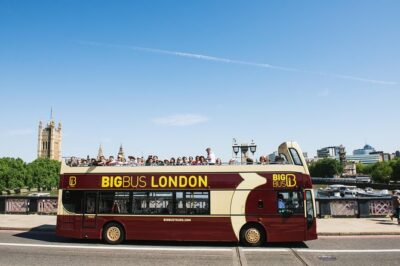
London Big Bus Hop-On Hop-Off Tour with Optional River Cruise
Read our review →

Stonehenge, Windsor Castle and Bath with Pub Lunch in Lacock
Read our review →
Tower of London and Crown Jewels Exhibition Ticket
Read our review →

Stonehenge, Windsor Castle and Bath Full Day Guided Tour
Read our review →