
Reviewed · BRIGHTON TOURS
Sussex Birdwatching Private Guided Day Tour
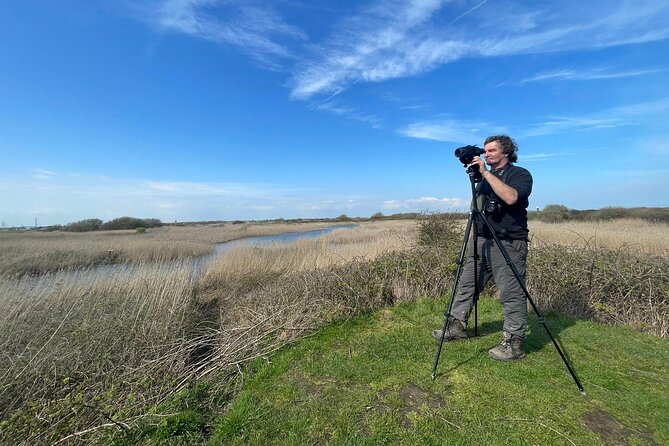
The best thing about this Sussex day is its variety. In ten hours, you move from heathland birds and secretive warblers to floodplain wildfowl, harbour waders, nesting terns, and birds of prey over open downland. Each stop has a different habitat, so the day keeps changing.
I like the private format, which lets the guide shape the pace around your interests and ability. I also like the strong local focus: Dartford Warbler, Woodlark, Avocet, Corn Bunting, and other birds that are hard to find without a sharp ear and a good eye. The main drawback is the length. Ten hours outdoors can feel demanding, and sightings will always depend on season and weather.
Why this Sussex birdwatching day is worth considering
- Four very different habitats: Heath, wetland, coastal harbour, and chalk downland give you a broad sample of Sussex birdlife.
- Private guiding for up to four people: You share the vehicle and guide only with your own group, making it easier to ask questions or adjust the pace.
- Skilled guides with strong field awareness: David Campbell, also referred to as Dave, and Atticus are named as guides on similar Wildstarts outings.
- Seasonal target birds: Summer may bring Little Ringed Plover, Avocet, and nesting terns, while winter is better for Pintail, Wigeon, and other wildfowl.
- Entry included at three sites: Old Lodge Nature Reserve and Pulborough Brooks RSPB include admission, while Burpham has no admission charge.
- Useful for both beginners and serious birders: The guide can introduce you to local species or focus the day on target birds and lifers.
A full day across four Sussex habitats
This is not a short walk around one reserve. It is a private, full-day circuit covering four birding areas, with about three hours at Old Lodge, two hours at Pulborough Brooks, two hours at Pagham Harbour, and three hours at Burpham.
That spread matters. Birding depends on habitat, tide, season, weather, and luck. A single site can be quiet. Four contrasting places give you more chances to find something special, while also showing you how much Sussex changes within a fairly compact touring area.
The guide does the driving between stops and helps you read the country as you go. If you are new to birdwatching, you can expect help with calls, distant shapes, and field marks. If you already know your common species, the guide can spend more time searching for less obvious birds.
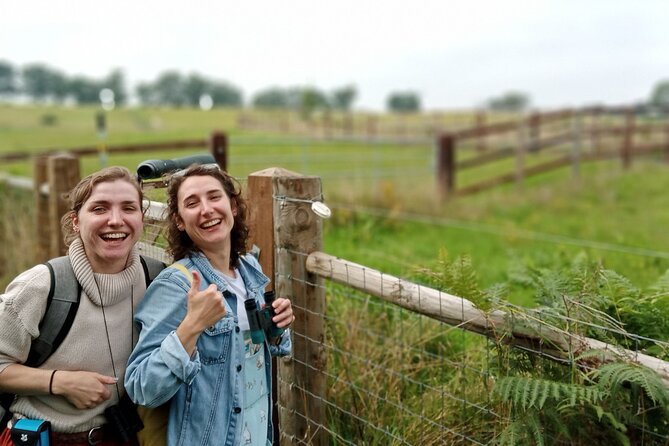
The private setup is especially useful here. A group of four can stop for longer when a bird settles, move on if a site is quiet, or spend extra time on a target species. You are not tied to the pace of a large coach group.
A few more Brighton trips to weigh up
- 1 hour Private Axe Throwing Experience in Eastbourne
★ 5.0 · 30 reviews - Seven Sisters Private Walking Tour (5+ ppl) Cuckmere/Beachy Head
★ 5.0 · 15 reviews - LGBTQ History Tour in Brighton (semi-private)
★ 5.0 · 10 reviews
Old Lodge Nature Reserve: three hours among heathland birds
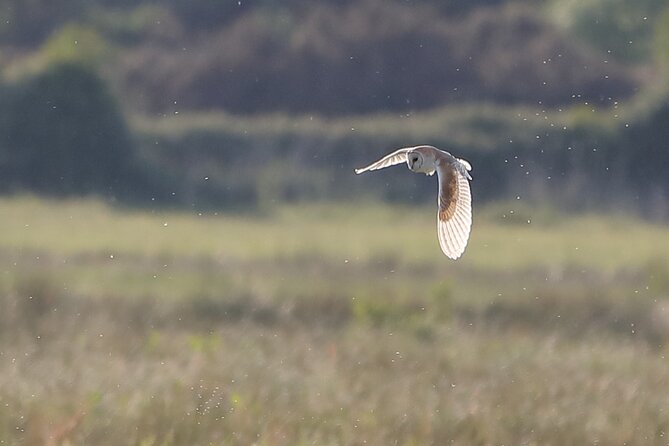
Old Lodge is the longest stop, and it gives the day a strong start. This reserve supports birds adapted to heath and open scrub, including Dartford Warbler, Woodlark, Tree Pipit, Cuckoo, and Lesser Spotted Woodpecker.
These are not all easy birds. Dartford Warblers can be elusive, while Woodlarks may be easier to hear than see. Lesser Spotted Woodpecker is also a specialist find, so you should treat the named species as possible targets, not a fixed promise. The guide’s ear matters here, particularly when a bird calls before it appears.
Three hours gives you time to work the area without rushing. That is a real advantage for birdwatching, since the best moments often come after you have paused and let your eyes adjust. The supplied information also points to a peaceful walking style, with the guide setting up a scope when a distant bird settles.
Old Lodge may suit you best if you enjoy searching rather than simply collecting easy sightings. It can reward patience, but it may feel less productive to anyone expecting constant close views. Wear shoes suited to a nature reserve and be ready for a fair amount of outdoor walking.
Pulborough Brooks: floodplain birds and winter wildfowl
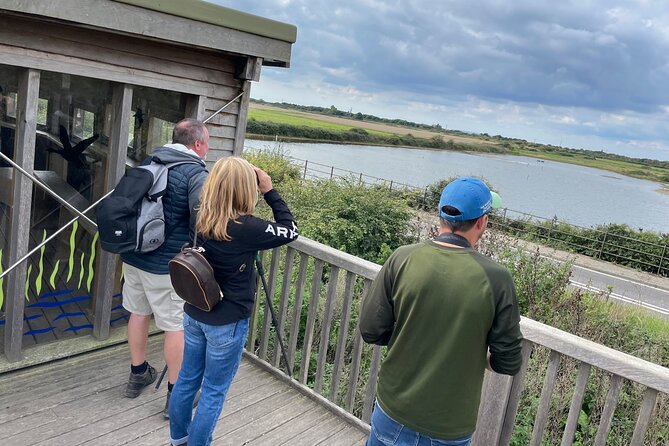
The two-hour visit to Pulborough Brooks RSPB changes the scene completely. The reserve lies on the River Arun floodplain, with wetland and woodland habitats that attract a different set of species.
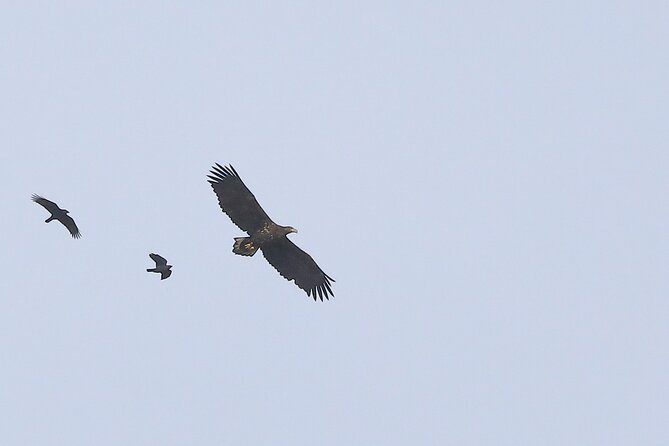
In summer, keep an eye out for Little Ringed Plover and Avocet. In winter, the focus shifts toward Pintail, Wigeon, and other wildfowl, sometimes in large numbers. Treecreeper is a year-round possibility in the woodland, while White-tailed Eagles are regular visitors to the area.
The reserve is a good place to use a scope. Wetland birds can sit well out across open water or wet grass, too far away for a satisfying view through ordinary binoculars. A guide who can find the bird, set up the scope, and explain what you are seeing saves time and makes distant sightings much more rewarding.
Two hours is enough to get a useful taste of Pulborough Brooks, though you will not cover every corner. That is one reason the private format helps. You can focus on the habitats most likely to produce your target birds rather than trying to follow a fixed route.
Admission is included here. The same applies at Old Lodge and Pagham Harbour, which makes the quoted price easier to assess.
Pagham Harbour: waders, wildfowl, and summer terns
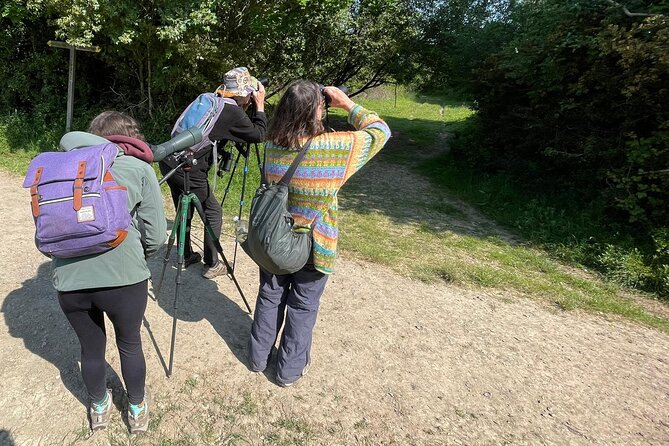
Pagham Harbour Local Nature Reserve brings coastal birding into the day. The natural harbour supports wading birds and wildfowl, while migrating passerines may appear during passage periods. From the beach, you may also find seabirds.
Summer adds one of the most striking possibilities: nesting terns. A colony can provide a very different experience from watching a solitary bird in woodland or heath. The movement, calls, and repeated flights of feeding birds give this stop a lively coastal feel, though the timing of your visit will matter.
The two-hour stop is a sensible length for a harbour visit. You get time to scan the water, mudflats, shoreline, and nearby habitat without turning the whole day into a single coastal walk. Still, conditions can affect what you see. The description does not specify tides or a guaranteed tern colony, so you should see those as seasonal possibilities rather than set pieces.
Pagham is particularly useful if your interests extend beyond land birds. You might find waders, wildfowl, migrants, and seabirds in one place. It also breaks up the day nicely before the final move inland to Burpham.
Same country, a completely different day out:
- SEA LIFE Brighton Admission Ticket
★ 4.0 · 468 reviews - Brighton Bar Crawl
★ 5.0 · 377 reviews - The Brighton story – walking tour
★ 5.0 · 251 reviews - Fun, Flexible Treasure Hunt Around Brighton with Cryptic Clues & Hidden Gems
★ 5.0 · 154 reviews
Burpham: open downland and birds of prey
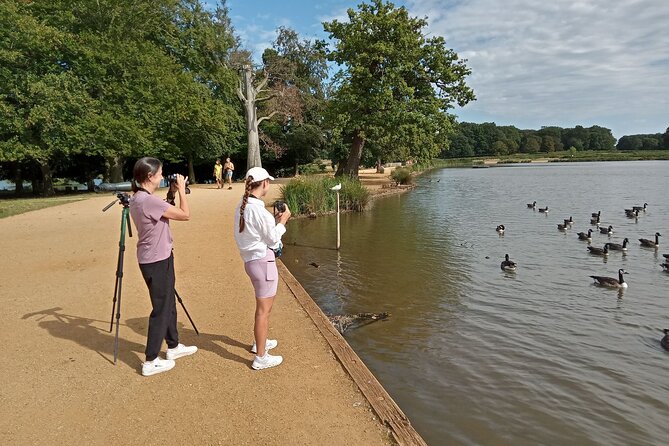
The final three hours take you to Burpham, an area of sweeping downland. This is the broadest setting of the day, with room to search for birds of prey and scarce farmland species.
Possible targets include Grey Partridge and Corn Bunting. These birds can be difficult to locate in modern farmland, which is why a local guide can make such a difference. You may spend time scanning wide views, listening for calls, and checking hedgerows or field edges rather than walking from one obvious viewing point to another.
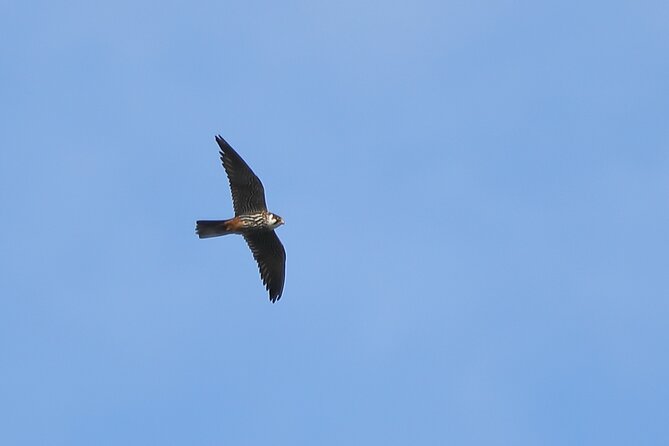
Birds of prey add another layer. Open downland gives you the right kind of space to watch the sky, though sightings depend on the day. A private guide can help you identify a distant bird and explain what features to look for, instead of leaving you to guess at a speck overhead.
Burpham may be the most scenic stop, but it also calls for realistic expectations. Open country can feel quiet when birds are not moving. The reward comes from the quality of a find, not from a constant stream of species.
What the guides add to the day
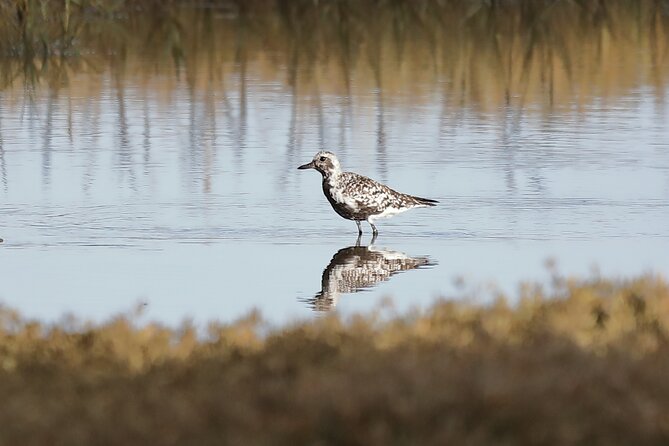
The strongest part of this experience is the guide’s field skill. David Campbell, also called Dave, is described as having an exceptional ear and being able to pick up calls and song before less experienced birders can hear them. Atticus is also named as a guide who identifies birds by sound and sight, sets up a scope for distant birds, and adjusts the pace to suit the group.
Those details are more useful than a general claim that the guide knows birds. Birdwatching is often about noticing what you would otherwise miss. A short call in scrub, a movement high in a tree, or a bird far across a wetland can decide whether you add a species to your list.
The guides also have experience shaping days around personal goals. Past outings have been arranged for people with short layovers, specific target birds, and different levels of field experience. One full-day outing produced sightings in the 90s, while another added nine lifers. Those results are not promises for this Sussex route, but they show how the service can work for both a first-time birder and someone building a serious list.
You should tell Wildstarts about your interests before the day. The supplied details show that the company has planned custom days around target species and preferred birding styles. That may be more valuable than simply following the standard four-stop plan.
Is the $329.10 group price good value?
The price is $329.10 for the whole group, up to four people. That works out to about $82.28 each if four people share the cost, or $164.55 each for two people. For one person, it is a much larger outlay, but you are still paying for a private ten-hour service rather than a short group walk.
The value comes from several parts working together: pickup is offered, the guide provides the local expertise, entry is included at three sites, and the day covers several areas rather than one reserve. You also avoid arranging transport between Old Lodge, Pulborough Brooks, Pagham Harbour, and Burpham yourself.
For a family or small group, the price is easier to justify. Grandparents and grandchildren, for example, can ask questions freely and move at a comfortable pace. Serious birders may also find the cost worthwhile if the guide helps locate several target species during a limited stay in England.
The price is less attractive if you only want a casual one-hour introduction or if you are happy to use public transport and bird alone. The tour is built around a full ten-hour day, so its value rises when you use the whole service.
Timing, weather, and practical comfort
The experience is offered from 8:00 a.m. to 5:00 p.m., every day during the stated operating period of February 15, 2023, through December 7, 2026. The day itself lasts about ten hours, so confirm the exact pickup and finish details when booking.
Weather matters. The experience requires good weather, and poor conditions may lead to a different date or a full refund. That policy is sensible for a day spent in exposed heath, harbour, and downland areas, but it means you should keep some flexibility in your schedule.
Pickup is offered, and the experience is near public transportation. Service animals are allowed, and most people can take part. The information does not give a detailed walking distance, terrain profile, or equipment list, so ask ahead if you have mobility concerns or need specific advice on clothing and optics.
Bring binoculars if you have them, though the guide’s scope is an important help for distant birds. You should also plan for changing conditions across the day. Quiet patience is part of the activity, not a sign that something has gone wrong.
Who should book this private birding day?
I would choose this tour if you want to see several sides of Sussex in one day and prefer a guide who can identify birds by sound as well as sight. It is a particularly good fit for a small family group, a couple with different levels of experience, or a birder using a short stay near Brighton, Gatwick, or London.
It also suits you if you have a target list. Tell the operator whether you are hoping for heathland specialists, wetland birds, coastal species, or farmland birds. The route includes all four settings, but the guide may be able to give extra attention to the habitat that best fits your goals.
I would hesitate if you dislike early starts, long outdoor days, or the uncertainty of nature watching. No guide can guarantee a Dartford Warbler, White-tailed Eagle, tern colony, or bird of prey. You are paying for skilled searching, local access, transport, and a better chance of finding birds, not a fixed collection of sightings.
Should you book the Sussex Birdwatching Private Guided Day Tour?
Book it if you want a serious but friendly day in the Sussex countryside, especially if you can share the $329.10 group price. The combination of four habitats, private transport, included entry, and guides such as David Campbell or Atticus gives you far more direction than visiting the reserves alone.
I would book with a clear target list and a flexible attitude. The best part of the day may be a specialist bird you hoped to find, but it could just as easily be a call the guide hears first, a distant bird brought into view with the scope, or a quiet stretch of downland that rewards patience.
FAQ
Where does the Sussex birdwatching tour take place?
The tour is based in Brighton, England, and visits Old Lodge Nature Reserve, Pulborough Brooks RSPB, Pagham Harbour Local Nature Reserve, and Burpham.
How long does the experience last?
The experience lasts approximately 10 hours.
How many people can join the private tour?
The price covers one private group of up to four people.
Is pickup available?
Yes, pickup is offered.
What language is the tour offered in?
The tour is offered in English.
Are admission fees included?
Admission is included at Old Lodge Nature Reserve, Pulborough Brooks RSPB, and Pagham Harbour Local Nature Reserve. Burpham has no admission fee.
Which birds might I see?
Depending on the season and conditions, possible species include Dartford Warbler, Woodlark, Lesser Spotted Woodpecker, Tree Pipit, Cuckoo, Little Ringed Plover, Avocet, Pintail, Wigeon, Treecreeper, Grey Partridge, and Corn Bunting. White-tailed Eagles may also visit Pulborough Brooks, and nesting terns may be present at Pagham Harbour in summer.
Can I cancel for a full refund?
Yes. You must cancel at least 24 hours before the experience start time for a full refund. Cancellations or changes made less than 24 hours before the start time are not accepted for a refund.
What happens if poor weather cancels the tour?
You will be offered a different date or a full refund if the experience is canceled because of poor weather.
Just added around Brighton
- Handcrafted Donuts & Tea: Brighton’s Artisan Sweet Treat Tour★ 5.0 · 127 reviews
- The Hunt: Team Activity in Brighton, Sussex★ 5.0 · 149 reviews
- Ultimate Shooting Taster Session in Brighton★ 5.0 · 33 reviews
- Stonehenge and Bath – Day Tour from Brighton★ 4.5 · 68 reviews
- The Brighton Food and Beer Walking Tour Min 8 people★ 5.0 · 8 reviews
- Skate + i360 Journey★ 5.0 · 6 reviews
- Sussex Vineyard & Winery Bus Tour on Iconic Vintage London Bus★ 4.5 · 89 reviews
- Vineyard & Cheesemaker Bus Tour of Sussex★ 5.0 · 8 reviews
Brighton Tours, compared.


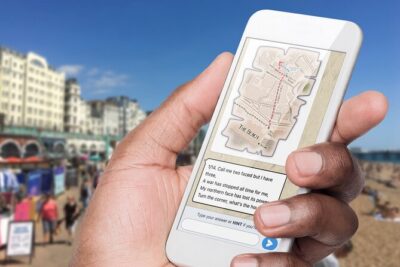
Fun, Flexible Treasure Hunt Around Brighton with Cryptic Clues & Hidden Gems
Read our review →
City Sightseeing Brighton Hop-On Hop-Off Bus Tour
Read our review →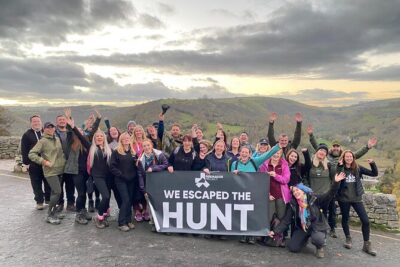

Handcrafted Donuts & Tea: Brighton’s Artisan Sweet Treat Tour
Read our review →
Browse the lists this tour appears in