
Reviewed · PHOTOGRAPHY SESSIONS
Street Photography Workshops in London
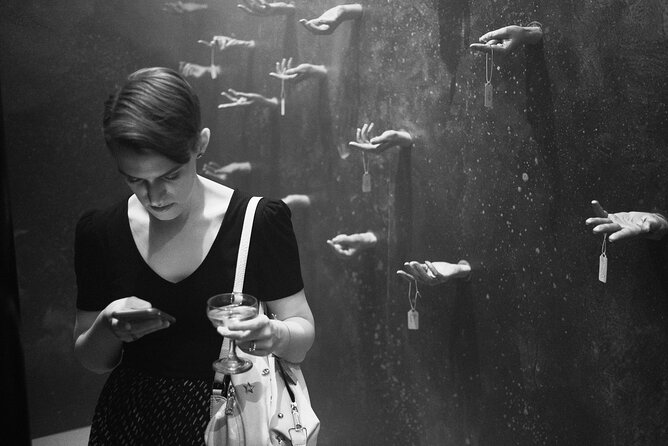
London becomes your classroom during this six-hour street photography workshop around Fleet Street. Cyrus and Marc mix short lectures with practical assignments, then help you read your own images with a sharper eye. You will also visit less crowded viewpoints, giving you room to work rather than simply point a camera at famous sights.
I like the small group, capped at eight, because you get a fair chance to ask questions and receive useful advice. I also like the workshop’s honest focus on critique, including photographs sent in the night before, so the day is about improving your work rather than collecting a few quick snapshots.
The main consideration is the pace. You will be asked to shoot, listen, edit, discuss, and accept criticism in one packed day. That suits a beginner or intermediate photographer ready to work, but it may feel intense if you want a slow sightseeing walk.
Key points at a glance
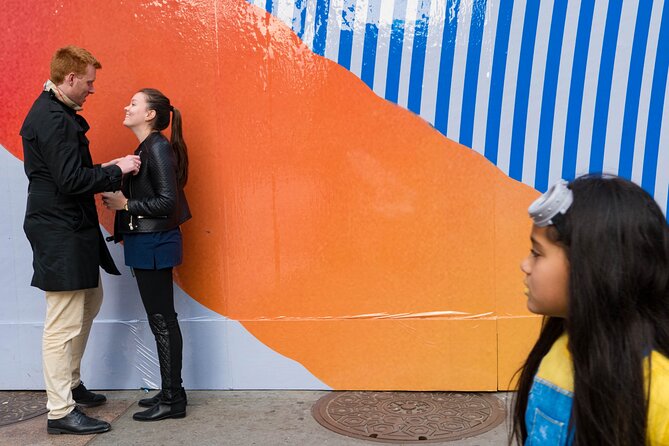
- Fleet Street as a working classroom: Begin and end at Fleet Street, with photography instruction taking place indoors and on nearby London streets.
- A maximum of eight people: The small group allows more direct questions and more time for individual feedback.
- Bring your own camera or iPhone: Equipment is not provided, so you can work with the device you already know.
- Advance photo critique: Send photographs the night before for discussion during the workshop.
- Practical help with photographing strangers: Cyrus and Marc address the nerves and etiquette that often stop new street photographers.
- A full day of theory and practice: Expect composition, light, colour, subject choice, assignments, critique, and discussion in roughly six hours.
Why this Fleet Street workshop is different
Many photography walks are really sightseeing walks with a few camera tips added. This experience takes a more serious approach. You spend the day thinking about why an image works, not just where to find an attractive view.
The workshop is built around a cycle of instruction, shooting, and feedback. Cyrus and Marc explain an idea, send you out to test it, and then look at the results with you. That matters because street photography can seem random at first. You may take dozens of frames without knowing why one feels stronger than the others.
Here, you are encouraged to examine the subject, composition, light, and colour in each picture. The goal is not simply to make a technically clear image. It is to give the photograph enough impact that the viewer has a reason to keep looking.
The tone appears designed to be friendly but direct. You receive encouragement, but you also hear what is not working. That balance is useful. Soft praise alone rarely helps you change your habits, while harsh criticism can make a nervous beginner stop shooting altogether.
A few more London trips to weigh up
- Professional Photoshoot in London Photographer
★ 5.0 · 102 reviews - Private landmarks photoshoot for families and couples
★ 5.0 · 92 reviews - Professional Private Photoshoot in London
★ 5.0 · 63 reviews
Starting with your own photographs
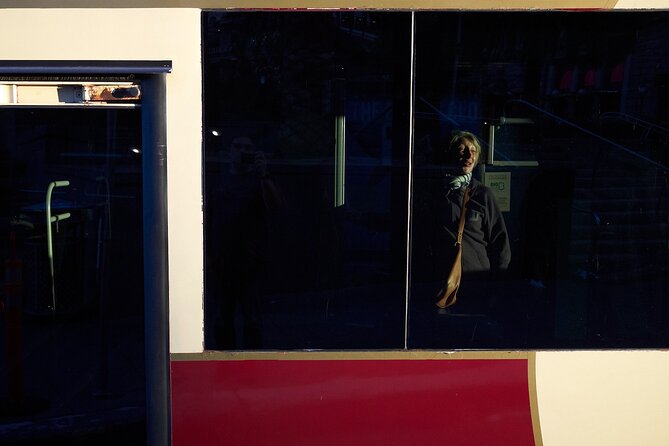
One of the most useful features is the chance to send photographs before the workshop. Cyrus and Marc use these images as a starting point for discussion, looking at what already works and where a small change could make the picture stronger.
This gives you a more personal lesson than a standard talk. Instead of hearing only general rules, you see how those rules apply to your own work. You might begin to notice that your best subject is lost in a busy background, that the light is doing more than you first saw, or that the frame contains too many competing ideas.
The critique also gives you a way to track progress during the day. After the first instruction session, you go back onto the streets with specific things to watch for. When your new photographs are discussed, you can compare your intentions with the result.
You should arrive with a selection of images that represents your current style and concerns. The material suggests that past travel photographs are also welcome for discussion, so you do not need a large body of formal street work. A beginner can take part, and an intermediate photographer can use the session to question familiar habits.
Learning the basic tools of a street photograph
The teaching covers several building blocks of creative street photography. Composition is central. You will consider where the subject sits in the frame, how lines and shapes guide the eye, and how much space the picture needs.
Subject choice is just as important. London offers plenty to photograph, but an interesting location does not automatically produce an interesting image. The workshop pushes you to decide what the picture is really about before pressing the shutter.
Light and colour receive specific attention too. These are practical concerns for any camera or phone user. You learn to notice how light changes the mood of a scene and how colour can connect separate elements within the frame.
The emphasis is helpful for beginners because it gives you a short checklist when the street feels visually overwhelming:
- What is the main subject?
- Is the light helping it?
- Does the composition guide the eye?
- Are the colours adding structure or distraction?
- Does the frame have enough impact to hold attention?
These are not rigid formulas. They are prompts to help you slow down. Street photography often rewards quick reactions, but strong results usually come from seeing clearly before you shoot.
Taking assignments onto London’s streets
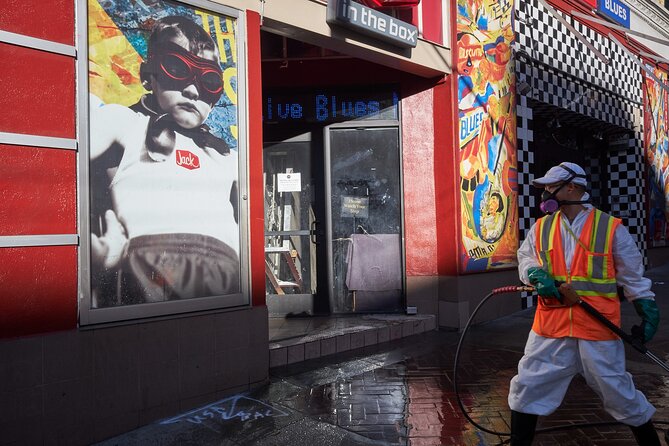
The workshop includes assignments that send you out to make photographs, then return for more criticism. This is where the session becomes practical rather than academic.
The exact route and assignment details are not specified, but the working area is around Fleet Street, and the group uses lesser-known viewpoints to avoid the heaviest crowds. That choice is valuable. A packed landmark can give you a familiar London picture, but it can also leave you fighting for space and repeating images already made countless times.
Less crowded spots give you more time to observe. You can wait for a person to enter the frame, test a different angle, or make several versions of one idea. You are also less likely to feel watched while learning.
Fleet Street is a useful base for this kind of exercise because the workshop combines indoor instruction with nearby street work. You do not spend the whole day walking from one far-flung sight to another. More of your time can go toward making and discussing photographs.
Still, this is not a relaxed photo stroll. Assignments mean you need to make decisions and produce work. If you prefer to wander without a task, the structured format may feel demanding. If you learn best by doing, it is likely to be the strongest part of the day.
Same country, a completely different day out:
- Stonehenge, Windsor Castle, and Bath from London
★ 4.5 · 18,662 reviews - London Big Bus Hop-On Hop-Off Tour with Optional River Cruise
★ 3.5 · 10,803 reviews - London Small Group Tour of Historical Pubs
★ 5.0 · 10,422 reviews - Stonehenge, Windsor Castle and Bath with Pub Lunch in Lacock
★ 4.5 · 7,402 reviews
Building confidence with strangers
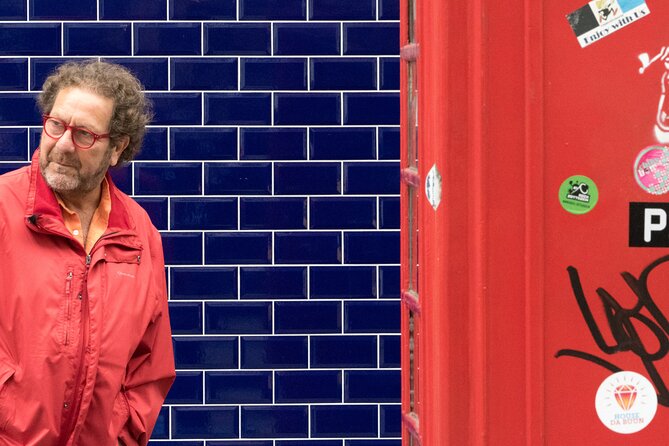
Photographing people in public is one of the biggest barriers for new street photographers. You may worry about causing offence, being challenged, or simply looking awkward with a camera pointed in someone’s direction.
Cyrus and Marc address this directly. They explain how to photograph strangers safely and offer advice meant to reduce the fear around approaching people and working in public. That guidance is not just about camera technique. It helps you make sensible choices about distance, timing, and your own confidence.
The material also reassures beginners that discomfort is normal. You do not need to arrive as someone who can casually photograph anyone. You need a willingness to practise and listen.
The workshop’s approach is especially useful if you already take pictures while travelling but avoid people. You may return with buildings, signs, and empty streets, yet miss the human moments that give a city its sense of place. Learning to include people can make your photographs feel more connected to the city around you.
The advice has limits, of course. No workshop can remove every awkward moment or guarantee that every person will welcome a photograph. You still need to use judgment and respect. But having clear guidance from the start is a practical way to get past the first hurdle.
Critique that changes how you edit
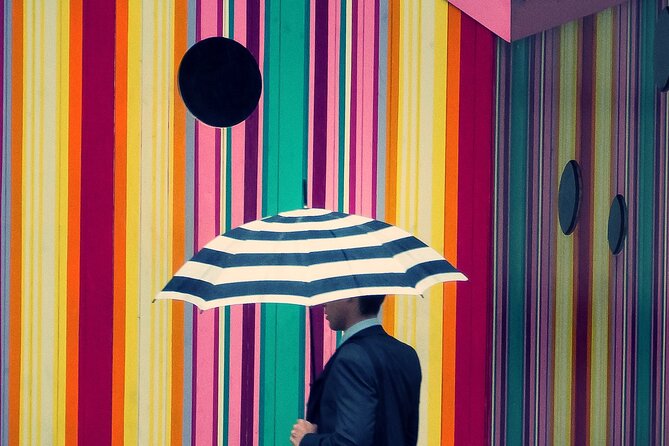
The most valuable lesson may happen after the shooting. Looking at your own photographs with fresh eyes is difficult. You remember the scene, the weather, and the effort it took to make the image. Those memories can make a weak photograph seem better than it is.
Cyrus and Marc help separate the experience of taking a photograph from the photograph itself. They discuss what succeeds, where the image loses force, and which basic problems tend to appear again and again.
You are also expected to look at their work. Criticism of their images is optional, but examining the instructors’ photographs gives you another way to understand the choices behind a finished picture. You can compare different approaches instead of being handed one fixed style.
The teaching is not limited to flattering examples. The format allows for genuine discussion of mistakes, missed chances, and photographs that need more work. That is useful preparation for shooting alone after the workshop.
Do not expect every image to receive a long one-to-one session. With a six-hour schedule, there is only so much time for shooting, editing, critique, and talks. The group size helps, but the day still has a fixed limit. Bring your questions and be ready to focus.
What the six-hour schedule means
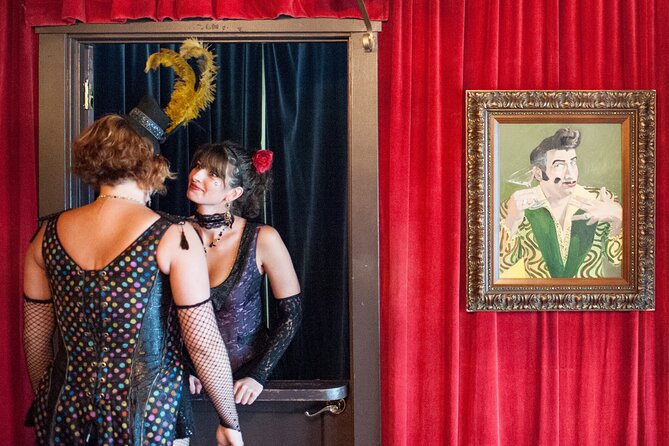
The listed start time is 10:00 am, and the activity ends back at the Fleet Street meeting point. The duration is approximately six hours, so you should reserve a solid block of your London day rather than treat this as a short morning add-on.
The schedule appears to move between rooms and surrounding streets. Indoor time allows for lectures, image discussion, and critique. Outdoor time gives you a chance to test the ideas while the lesson is still fresh.
That mix is a strength. Too much classroom time can leave you full of theory but unsure how to use it. Too much street time can mean you repeat the same mistakes without noticing them. This format keeps the two parts connected.
It is also a demanding schedule. You may feel mentally full by the end, especially if photography is new to you. The information is dense, and the day tries to cover more material than one session can fully absorb. Plan to review your notes and photographs afterward if you want the lessons to stick.
Because the group is limited to eight, you should have more opportunities to speak than on a large walking tour. The exact amount of individual time will depend on the group and the number of images being discussed, so do not assume a private lesson.
Camera, phone, and preparation
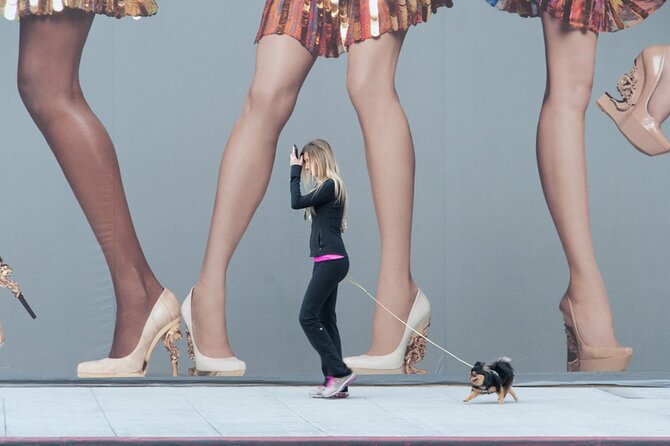
You need to bring your own camera or iPhone. That keeps the workshop flexible and lets you practise with the equipment you will actually use after returning home.
A phone is not treated as a second-rate choice in the supplied information. The central lessons concern seeing, composition, subject, light, colour, and impact. Those ideas apply across devices.
You should arrive with your equipment ready to use. A camera you understand is more useful here than unfamiliar professional gear. The point is to make decisions on the street, not spend the day searching through menus.
Send photographs the night before, as requested, so the opening critique can focus on your work. Choose images that raise questions for you, not only the ones you already consider successful. A mixture of recent work and past travel images can give Cyrus and Marc more to discuss.
The workshop is offered in English. Confirmation is provided at booking, and the activity is near public transportation. Service animals are allowed, and most people can participate, but the day does require time on city streets and active engagement with assignments.
Who gets the best value
No price is provided in the available details, so I cannot judge the exact cost against competing London activities. The value depends on how seriously you plan to use the instruction after the day is over.
For a beginner, the workshop offers more than a basic camera tour. You receive help with confidence, composition, subject choice, and the social side of photographing strangers. Those lessons can prevent months of taking pictures without knowing why they feel flat.
For an intermediate photographer, the strongest value is likely to come from the critique. You can bring existing work, test a different way of seeing, and receive a third-party view of your usual style. One participant specifically found the process useful for moving away from familiar habits.
It is a weaker fit if you want famous landmarks, a gentle sightseeing route, or a day devoted to taking your own photographs without interruption. You will spend time listening and showing your work. That is the price of instruction, even when the listed activity includes outdoor shooting.
The small group is important here. A maximum of eight is not the same as a private lesson, but it is far more favorable for questions and feedback than a large public walk. If the price is within your budget, the group limit makes the cost easier to justify for someone committed to improving.
Practical details before you book
The meeting point is Fleet Street, London EC4A 2DQ, and the workshop starts at 10:00 am. It ends at the same meeting point, which simplifies your plans and avoids arranging transport from a distant finish.
The activity is mobile-ticket friendly and conducted in English. Most people can participate, and service animals are allowed. It is near public transportation, but the precise transport route is not supplied, so check your own route to Fleet Street before the morning begins.
Free cancellation is available if you cancel at least 24 hours before the local start time. Cancellations within 24 hours are not refunded, and late changes are not accepted. The workshop also requires a minimum number of participants. If that minimum is not reached and the session is cancelled, you are offered another date or experience, or a full refund.
Should you book this workshop?
Book it if you want to improve how you see and edit photographs, not just collect London pictures. The strongest reasons are the maximum group size of eight, the advance photo discussion, and the practical help with photographing strangers.
I would particularly point beginners toward it if they feel nervous about street photography. The mix of friendly guidance and serious critique can give you a clear way forward. Intermediate photographers should consider it if their work feels stuck in a familiar pattern and they want an outside view.
Skip it if you want a passive walk, a landmark checklist, or unlimited time behind your camera. Six hours of lectures, assignments, shooting, and critique is a full working day. For the right photographer, that intensity is the point. You leave with more than pictures of London, you leave with better questions to ask of your own photographs.
FAQ
How long is the Street Photography Workshop in London?
The workshop lasts approximately six hours.
Where does the workshop start?
It starts at Fleet Street, London EC4A 2DQ, UK.
What time does the workshop begin?
The stated start time is 10:00 am.
Where does the workshop end?
The activity ends back at the Fleet Street meeting point.
What equipment should I bring?
You need to bring your own camera or iPhone.
How many people can join the workshop?
The group has a maximum of eight participants.
Is cancellation free?
You can receive a full refund if you cancel at least 24 hours before the local start time. Cancellations within 24 hours are not refunded.
Just added around London
- Private The Beatles Taxi Tour in London★ 5.0 · 12 reviews
- Airport Coach Service from Heathrow to Oxford★ 3.5 · 67 reviews
- The Alfred Hitchcock London Walk with Sandra Shevey★ 5.0 · 15 reviews
- Dinner and Jazz Cruise on the River Thames★ 4.0 · 140 reviews
- Tower of London & 30+ London Sights Walking Tour★ 4.5 · 33 reviews
- Thames Beachcombing★ 4.5 · 100 reviews
- Ted Lasso London Taxi Tour★ 5.0 · 5 reviews
- Ted Lasso Tour of Richmond with Private Guide★ 5.0 · 25 reviews
Photography Sessions, compared.
Professional Photoshoot in London Photographer
Read our review →
30 Major London Attractions Walking Tour With Photos
Read our review →
Browse the lists this tour appears in