
Reviewed · FOOD & DRINK
Twinings 2-Hour Tea Tasting Masterclass in London
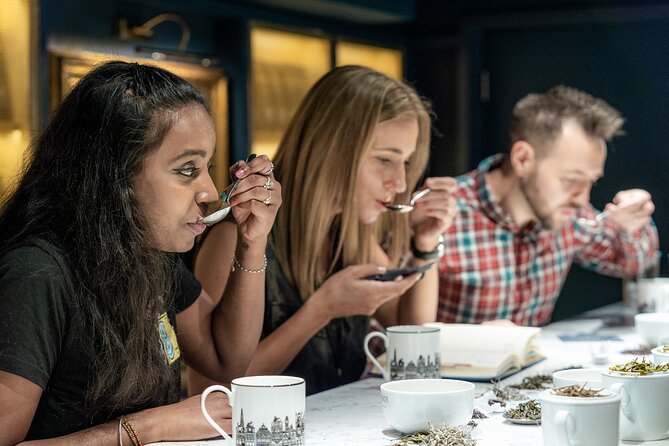
The best part of this Twinings class is that it turns a familiar drink into a proper sensory lesson. You follow tea from plant to cup, learn how it reached Britain, and taste six broad styles, from delicate white tea to earthy pu’erh. The slurping lesson is both useful and slightly funny.
I like the small class format, which leaves room for questions and personal guidance. I also like the practical tasting method: you assess appearance, aroma, flavor, mouthfeel, and aftertaste, rather than simply deciding if you like a cup. The one drawback is that the two hours focus on tasting and teaching, not a broad tour of London or a full afternoon tea meal.
Key points
- Six major tea categories: Taste white, yellow, green, oolong, black, and pu’erh tea.
- A proper tasting method: Learn how to judge color, scent, flavor, texture, and finish.
- Tea in British life: Connect the drink in your cup with its arrival and growth in England.
- Small-group attention: The stated maximum is five people, although class size can vary.
- Experienced instructors: Teachers have included Alessandra, Liam, Rachel, Rosie, and Angelo.
- Central Strand location: Meet at 216 Strand, near public transportation, and finish there.
Starting at Twinings on London’s Strand
You meet at 216 Strand, Temple, London WC2R 1AP. That puts the class in a very central part of London, handy if you are already sightseeing around Covent Garden, the South Bank, Fleet Street, or the Temple area.
The experience ends back at the meeting point, so you do not need to arrange a second pickup or find your way across town afterward. Since the class lasts about two hours, you can fit it neatly between other central London plans.
The setting is part of the appeal. The class takes place in connection with the Twinings shop, with the teaching area described as a clean, stylish basement bar space. This gives the lesson a more intimate feel than a large public demonstration. You are not just standing at a counter while someone talks at you. You sit with the group, taste together, and have time to ask questions.
The booking information gives a maximum of five people, which is excellent for a hands-on lesson. A small class usually means you can speak up, compare impressions, and ask about the teas you already drink at home. Class size can vary, so if a very small group is important to you, check the current details before booking.
A few more London trips to weigh up
- London Bridge & Borough Market Food Tour with 7 Authentic Dishes
★ 5.0 · 1,972 reviews - London Foodie Adventure:More than 10 dishes with Sherpa Food Tour
★ 5.0 · 932 reviews - Eating London: Twilight Soho VIP Food & Drinks Tour
★ 5.0 · 590 reviews
The story of tea from bud to cup
The first part of the class sets up the subject with tea production and history. You learn where tea comes from, how it is grown, and what happens between the plant and the finished drink.
The key idea is that tea is not one single flavor. The six styles in the tasting all come from the tea plant, but their handling and production give them very different colors, aromas, textures, and tastes. That simple fact gives the lesson a clear shape. Instead of hearing a long lecture packed with dates, you get a reason for each cup placed in front of you.
The British connection receives plenty of attention. You learn when tea arrived in Britain and how tea drinking became part of British life. This makes the class especially useful for anyone who has been seeing tea rooms, tea menus, and Twinings products throughout London and wants more context.
I like this balance. You get the story behind the drink without losing sight of the tasting itself. The teachers also make the subject approachable. Alessandra, Liam, Rachel, Rosie, and Angelo have all led classes, and each brings a slightly different style. Alessandra is known for handling detailed questions, while Liam has been praised for making the history lively. Rosie’s approach is cheerful and interactive, and Angelo brings attention to the tea trade and its effect on British culture.
Your exact teacher depends on the session, so do not book expecting one particular person unless the operator confirms it. The important point is that the class is built around a real instructor, not a prerecorded presentation.
Six cups, six very different personalities
The tasting covers white, yellow, green, oolong, black, and pu’erh tea. That is a strong lineup for a two-hour introduction because it shows how broad the tea world can be.
White tea is generally presented as one of the lighter styles, making it a useful starting point for noticing subtle aromas and a softer cup. You may find it less forceful than the black tea you drink at breakfast.
Yellow tea gives the class an unusual talking point. It is less familiar to many people, so this is a chance to try a style you may not encounter in an ordinary café or hotel tea service.
Green tea brings a different set of aromas and flavors. The class helps you compare it directly with white and yellow tea, rather than treating all pale teas as interchangeable.
Oolong sits between familiar categories in a way that makes it especially interesting. It gives you a chance to notice how tea can have both lighter and fuller qualities, depending on how it is made.
Black tea is likely to feel the most familiar to anyone who associates tea with British drinking habits. Tasting it alongside the other five styles helps you notice more than strength. You can consider scent, body, flavor, and finish in a more precise way.
Pu’erh provides the earthy contrast. It is often the cup that gives beginners the clearest reminder that tea can be as varied as coffee or wine. If you normally add milk or sugar, the class gives you a chance to taste tea on its own first.
The point is not to declare one style the winner. It is to build a vocabulary for your own preferences. You may discover that you prefer a fragrant tea in the morning, a fuller tea with food, or an earthy tea that you had never considered before.
Learning to taste like a tea professional
The class does more than pour six samples and ask which one you prefer. You learn how professionals assess tea, including the famous slurp. That noisy technique pulls air across the tea and helps spread its flavor, so you can notice more than you would from a quiet sip.
You also get prompts for describing what you taste. Instead of reaching for the vague words good or strong, you consider the tea’s appearance, aroma, flavor, mouthfeel, and aftertaste. This makes the activity interactive and gives you a method you can use later at home.
I find this one of the most valuable parts of the experience. Tea tasting can feel intimidating if you think you need a trained palate. You do not. The instructor gives you useful language, then lets you make your own observations.
The class also includes smelling and comparing the loose-leaf teas. That matters because aroma often changes your impression before you take a sip. A cup may seem light in the mouth but have a pronounced scent, or it may taste fuller than its color suggests.
Do not worry if you arrive with no tea vocabulary. The teaching is designed to be understandable and friendly. You can participate at your own level, ask basic questions, and still find something new if you already know your oolong from your black tea.
Same country, a completely different day out:
- Stonehenge, Windsor Castle, and Bath from London
★ 4.5 · 18,662 reviews - London Big Bus Hop-On Hop-Off Tour with Optional River Cruise
★ 3.5 · 10,803 reviews - London Small Group Tour of Historical Pubs
★ 5.0 · 10,422 reviews - Stonehenge, Windsor Castle and Bath with Pub Lunch in Lacock
★ 4.5 · 7,402 reviews
Why the two-hour length works
Two hours is about right for this format. You have enough time for the background, the six samples, questions, and discussion without turning the subject into a full-day course.
The timing also helps if you are planning a busy London itinerary. You can set aside a clear block, enjoy the class, and continue sightseeing from the same central location. The session is long enough to feel like a real activity, but not so long that the tasting becomes repetitive.
There is a small tradeoff. If you are hoping for a full tea service with sandwiches, cakes, or a large meal, this is not that experience. The food item is tea tasting itself. The class is about learning and comparing teas, not sitting down to a traditional afternoon tea.
That difference is important when comparing prices. At $69.45 per person, this costs more than buying six cups at a shop, but you are paying for instruction, guided comparison, tea history, and a tasting system you can use again. It offers better value if you are curious about tea, enjoy small classes, or want a distinct London activity that is not another major landmark visit.
It offers less value if you simply want a hot drink and a quick souvenir stop. For that, the Twinings shop alone may suit you better.
The teachers make the difference
A good teacher matters in a tasting class, and this experience depends heavily on the person leading your session. The strongest teaching style here is warm, funny, and willing to answer questions without making the subject feel stiff.
Alessandra has been described as able to answer almost any tea question while still keeping the session personal. Liam brings energy to the subject and keeps the history moving. Rachel combines clear explanations with an easy manner, while Rosie has a playful, interactive style. Angelo focuses on tea’s place in industry and British culture.
These details matter because the same six teas could feel dry in the hands of a poor presenter. Here, the human part of the class is a major reason to book. You are encouraged to talk about what you notice, not just listen and take notes.
One useful tip: arrive ready to participate. You may be asked to describe a tea, compare two cups, or explain which aroma you notice first. There is no exam, but the class works best when you taste actively rather than sit back and wait for the next pour.
The session can also work across age groups. A family group spanning three generations found it a favorite London activity, and the format suits couples, parents and adult children, and friends with different levels of tea experience.
Shopping after you know what you like
The Twinings shop adds a practical finish. After tasting six styles and learning how to describe them, you can make more informed choices among the products on sale.
Some participants receive a discount on products after the class, which can improve the value if you already planned to buy tea. Confirm the current offer when booking, since retail promotions can change.
Give yourself a little time after the lesson if shopping interests you. One useful point about the format is that your preferences may become clearer only after the tasting. You might enter thinking you want a familiar black tea and leave looking for a green, oolong, or pu’erh instead.
The shop visit is not a separate guided shopping tour, so keep your expectations in check. The real teaching happens in the class. The store is a convenient place to browse afterward, use your new tasting vocabulary, and choose a souvenir with more purpose than a random box picked up at the airport.
Who should book this tea tasting?
I would recommend this class most strongly to:
- Tea drinkers who want to understand what they are tasting.
- First-time tea tasters who want a friendly introduction.
- People interested in British food and drink traditions.
- Couples or small families looking for a calm indoor London activity.
- Anyone who likes classes with discussion rather than a passive demonstration.
- Repeat London visitors who want something different from the usual sights.
You do not need to be a serious tea enthusiast. In fact, the class may be more rewarding if you know only the basics, since each section adds a new layer.
I would think twice if your main goal is afternoon tea with pastries, a shop visit only, or a quick activity that takes less than an hour. I would also avoid booking it back-to-back with a fixed appointment on the other side of London. The class is scheduled for about two hours, and you will want a little breathing room around it.
The location is near public transportation, and service animals are allowed. The experience is offered in English and uses a mobile ticket. Confirmation arrives at booking, which keeps the practical side simple.
Booking advice and cancellation terms
This class is booked about 28 days ahead on average, so I would reserve early if your London dates are fixed. The small-group limit can make popular sessions fill sooner than a general shop visit.
Free cancellation is available if you cancel at least 24 hours before the start time. A cancellation made less than 24 hours ahead is not refunded, and changes inside that window are not accepted. The cutoff follows local London time, so check the clock carefully if you are changing plans from another time zone.
The experience is provided by R Twinings Ltd. It has a 4.9 rating from 105 ratings, with 98 percent recommending it. Those numbers are strong, but the more useful takeaway is what the format actually delivers: a focused lesson, six teas, skilled instruction, and time to discuss what you taste.
Should you book the Twinings Tea Tasting Masterclass?
Book it if you want to understand tea rather than simply drink it. The six-category tasting, professional slurping technique, and five-part evaluation give you useful skills, while the Strand setting ties the lesson to London’s tea culture.
The price is fair for a two-hour guided class, especially if you value personal instruction and plan to shop afterward. It is not the right pick for a traditional afternoon tea or a broad London sightseeing tour.
My practical call is simple: tea lovers should reserve it, and nonexperts should consider it if they enjoy food tastings or unusual cultural activities. You may leave with a new favorite tea, but you will certainly leave knowing how to pay closer attention to the next cup.
FAQ
Where does the Twinings Tea Tasting Masterclass begin?
The class begins at 216 Strand, Temple, London WC2R 1AP, UK.
How long does the tea tasting last?
The experience lasts approximately two hours.
Which teas are included?
The tasting includes six categories: white, yellow, green, oolong, black, and pu’erh.
Is the class offered in English?
Yes. The experience is offered in English.
How many people can join the class?
The booking information gives a maximum of five people.
Can I cancel for a full refund?
Yes. You can cancel at least 24 hours before the local start time for a full refund. Cancellations or changes made less than 24 hours before the start time are not accepted or refunded.
Just added around London
- Private The Beatles Taxi Tour in London★ 5.0 · 12 reviews
- Airport Coach Service from Heathrow to Oxford★ 3.5 · 67 reviews
- The Alfred Hitchcock London Walk with Sandra Shevey★ 5.0 · 15 reviews
- Dinner and Jazz Cruise on the River Thames★ 4.0 · 140 reviews
- Tower of London & 30+ London Sights Walking Tour★ 4.5 · 33 reviews
- Thames Beachcombing★ 4.5 · 100 reviews
- Ted Lasso London Taxi Tour★ 5.0 · 5 reviews
- Ted Lasso Tour of Richmond with Private Guide★ 5.0 · 25 reviews
Food & Drink, compared.
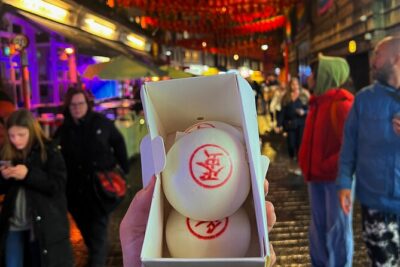
London Bridge & Borough Market Food Tour with 7 Authentic Dishes
Read our review →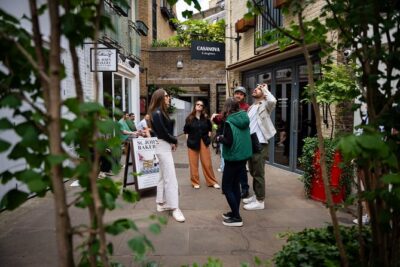
London Foodie Adventure:More than 10 dishes with Sherpa Food Tour
Read our review →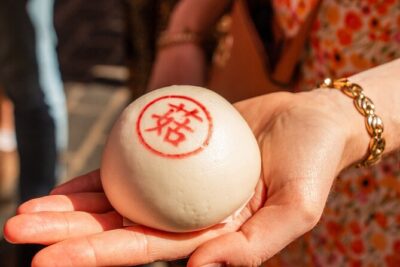
Eating London: Twilight Soho VIP Food & Drinks Tour
Read our review →
East London Indian Food Tour with 8+ Authentic Food Tastings
Read our review →

London Borough Market & London Bridge Food Tour
Read our review →
Ultimate London Cheese Crawl : Guided Food Tour
Read our review →
Browse the lists this tour appears in