
Reviewed · FOOD & DRINK
Beginner Foraging Walk: Wild food walking tour & tasters
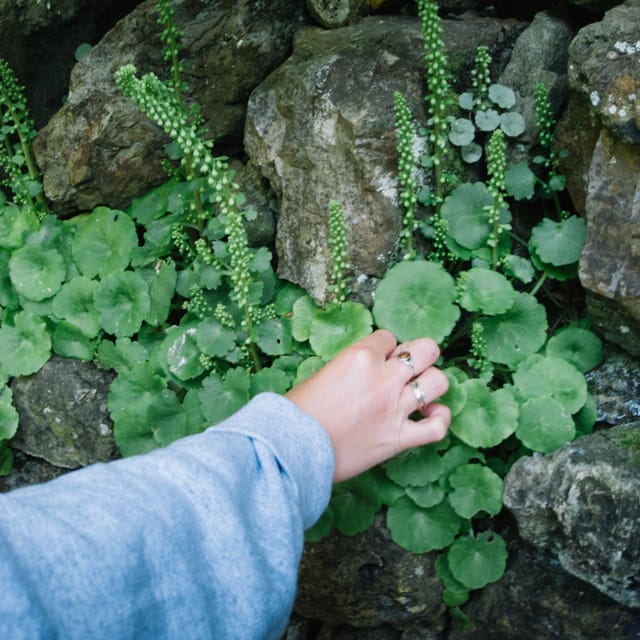
The most useful part of this Isle of Wight foraging walk is its beginner-friendly approach. Joseph Thurbin takes you through the countryside near Niton, showing you how to spot edible plants and fungi, how to record what you find, and how to think about using wild ingredients in your kitchen.
I like the mix of practical skills and small tastings, especially the chance to try wild food rather than only hear about it. I also like the setting: a two-mile route through one of the island’s quieter corners, with the walk beginning and ending at The Buddle Inn.
The main drawback is that this is not a gentle stroll for everyone. You need sturdy shoes, reasonable fitness, and confidence on countryside paths. It is also limited to adults and is not suitable for wheelchair users, people with mobility impairments, or anyone with food allergies.
Key points to know before you book
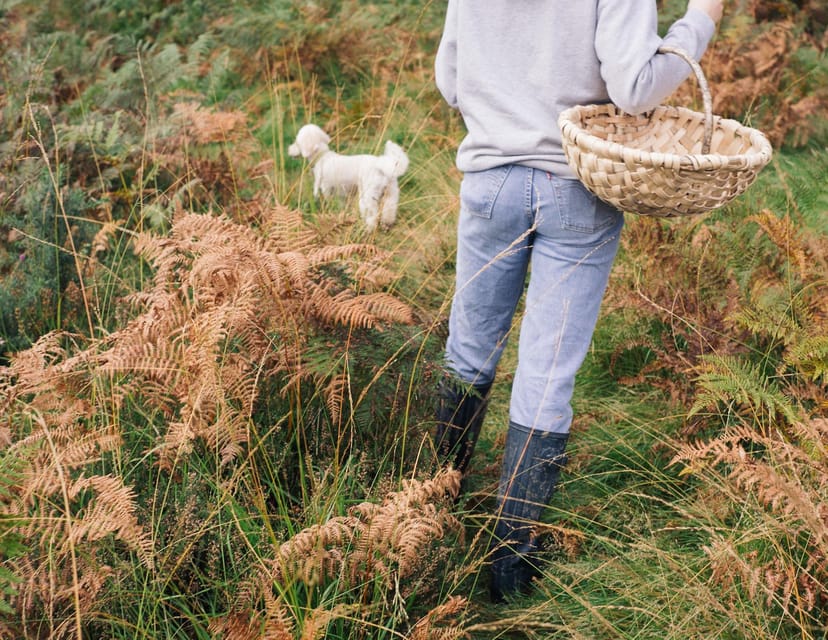
- Joseph Thurbin leads the walk: You will be guided by a lifelong forager and filmmaker who explains both plant identification and ways to photograph specimens for checking later.
- The route covers about two miles: Expect roughly 1.5 hours on foot, beginning at the large car park opposite The Buddle Inn in Niton.
- You taste wild ingredients: Small snacks made with wild ingredients are included, giving you a practical sense of how foraged food can work in the kitchen.
- It works in winter too: Even a January walk can reveal plants suitable for foraging, though the range of finds will depend on the season.
- Route 6 helps with access: The starting point is accessible by Southern Vectis Route 6, while drivers should check whether a parking fee applies.
- Adults only: The activity is not suitable for children under 18, people with food allergies, wheelchair users, or those with low fitness levels.
Starting at The Buddle Inn in Niton
Your meeting point is easy to identify. Park in the large car park opposite The Buddle Inn, then look for Joseph carrying a foraging basket. The walk returns to this same point, so you do not need to arrange a taxi or work out a second meeting place.
Niton is a practical base for this kind of outing because the activity gets you into the countryside quickly. You are not spending the short session walking through a town before reaching the useful part. Once the route begins, the focus is on plants, fungi, safe identification, and the surrounding countryside.
If you do not have a car, Southern Vectis Route 6 serves the area. Check the bus timetable before booking, since the tour has set starting times shown during the availability process. Give yourself enough time to reach the car park without rushing.
Parking is not included in the price. The information provided does not specify the exact charge, so bring a payment method and check local signs when you arrive.
A few more England trips to weigh up
- London Bridge & Borough Market Food Tour with 7 Authentic Dishes
★ 5.0 · 1,972 reviews - London Foodie Adventure:More than 10 dishes with Sherpa Food Tour
★ 5.0 · 932 reviews - Eating London: Twilight Soho VIP Food & Drinks Tour
★ 5.0 · 590 reviews
A two-mile route built for first-time foragers

The walk lasts about 1.5 hours and covers roughly two miles. That is a useful length for a first lesson. You get enough time to see several examples and ask questions, but you are not committing to a full-day expedition with a heavy basket.
You should still treat the route as a countryside walk, not a paved sightseeing tour. Comfortable shoes are required, and sturdy waterproof footwear is the sensible choice. British weather can change quickly, so pack a raincoat and wear clothing that allows you to walk comfortably outdoors.
The route takes you through a secluded part of the Isle of Wight. The appeal is not a long list of formal stops. Instead, Joseph can pause when he finds a plant or fungus worth discussing, making the walk responsive to what is growing along the route.
That also means the exact things you see may change with the season. A January outing can still produce useful finds, but spring, summer, and autumn will offer different conditions. You should book this as a lesson in how to look, rather than as a guaranteed checklist of particular species.
Learning to identify plants without guessing
Foraging is not simply a matter of recognizing a leaf from a picture. Safe identification depends on looking closely at several features and avoiding uncertain guesses. This introduction gives you the basics of that process.
Joseph explains how to identify wild edible plants and fungi that are approachable for beginners. The aim is to help you build confidence in the field, not to encourage you to pick anything you cannot identify clearly.
That distinction matters. A short walk cannot turn you into an expert on every plant or fungus in Britain. What it can do is give you a better method for observing specimens and deciding what needs further checking before it reaches your plate.
You will also learn how to photograph plants and fungi so you can identify them at home. This is a particularly useful detail. Take clear photos, make notes, and record where you found the specimen. A charged smartphone and notebook can help you turn a brief outdoor lesson into a longer learning project.
Bring your phone with plenty of battery. You may use it for photographs, notes, or both. A small notebook is useful if you prefer writing down identifying features, cooking ideas, and warnings in your own words.
Tasting nettles and other wild ingredients
The tasting element gives the walk a practical edge. You do not just hear that wild plants can be used in food. You get to sample snacks made with wild ingredients and consider how those flavors might work in your own cooking.
Nettles receive special attention in the experience. They can be an easy plant to dismiss because of their sting, but learning how they may be prepared gives you a memorable first step into wild food. You should not treat a tasting as permission to pick and eat plants on your own. The point is to learn proper identification and handling from the guide.
The food component is modest rather than a full meal. Eat beforehand if you need a proper lunch, and bring water for the walk. The included tasters are best viewed as part of the lesson, not as a replacement for breakfast or lunch.
I like this format because flavor helps fix information in your memory. You are more likely to remember a plant when you connect its appearance with a taste and a possible kitchen use. Joseph also offers ideas for cooking with plants you may never have considered before.
Food allergies require special care. This activity is not suitable for people with food allergies, so you should not book if tasting wild ingredients could create a health risk.
Same country, a completely different day out:
- Stonehenge, Windsor Castle, and Bath from London
★ 4.5 · 18,662 reviews - London Big Bus Hop-On Hop-Off Tour with Optional River Cruise
★ 3.5 · 10,803 reviews - London Small Group Tour of Historical Pubs
★ 5.0 · 10,422 reviews - Beatles Magical Mystery Tour
★ 5.0 · 9,266 reviews
Joseph Thurbin’s teaching style
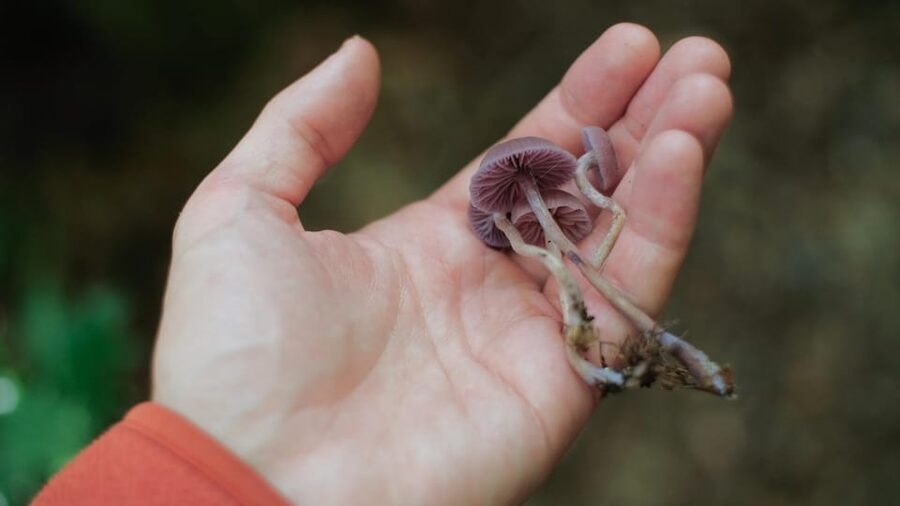
Joseph is described as a lifelong forager and filmmaker, a combination that suits the course well. Foraging depends on close observation, and his experience with photography adds a useful angle to the lesson.
The strongest praise attached to the experience focuses on his friendly manner, clear explanations, and broad knowledge of wild food. You can expect plenty of facts along the route, but the tone appears to remain relaxed and approachable rather than formal.
That matters for beginners. Many people hesitate to ask basic questions when a guide uses technical language or moves too quickly. A friendly teacher makes it easier to stop, look again, and admit that two plants appear similar.
The walk has also inspired people to keep learning after the session. That is a fair measure of its value. You may leave with a few plants in mind, some cooking ideas, and a better sense of how to photograph and research future finds.
Still, keep your expectations realistic. Ninety minutes is enough for an introduction, not a full qualification in foraging. If you want to identify a wide range of fungi or safely gather food without supervision, you will need continued study and practice.
Why the Isle of Wight setting matters
The location is part of the lesson. This is not an indoor talk followed by a quick demonstration. You are walking through a picturesque and secluded part of the island, learning in the same kind of setting where the plants grow.
That outdoor setting helps you understand the relationship between a specimen and its surroundings. You can see how plants appear along a path and in the countryside, rather than only viewing a neatly arranged sample. The walk also gives you a reason to slow down and pay attention to small details.
Because the route is in one of the island’s quieter corners, it should appeal to you if you want something more local and hands-on than a standard sightseeing activity. The focus is on natural surroundings, observation, and food rather than major attractions.
The trade-off is that rural paths can be uneven or wet. The activity is not suitable for people with mobility impairments or wheelchair users, and it may be uncomfortable if you have a low level of fitness. Two miles sounds modest, but mud, rain, or inclines can make a countryside route feel more demanding.
What to bring for British weather
The preparation list is short, but it matters. Pack:
- Sturdy, comfortable waterproof shoes
- A raincoat and comfortable outdoor clothing
- A bottle of water
- A charged smartphone
- A notebook and pen if you like taking written notes
High heels are not allowed, and they would be a poor choice for a countryside walk in any case. You should also arrive sober. Alcohol and drugs are not allowed, and the activity is not suitable for anyone who is intoxicated.
The charged phone is more than a convenience. Since the course includes advice on photographing plants and fungi for later identification, your phone becomes part of the learning kit. Clear pictures can help you remember what Joseph showed you and organize your notes afterward.
Pack light. You do not need specialist foraging equipment for this beginner session. The guide carries a foraging basket, which also helps you find him at the meeting point.
Is $33.67 good value for 90 minutes?

At $33.67 per person, the price is reasonable if you want a short, guided introduction rather than a full-day food expedition. You are paying for Joseph’s instruction, the route, the included tastings, and the chance to ask questions in the field.
The value improves if you plan to keep using what you learn. Advice on photographing specimens, identifying plants at home, and thinking about kitchen uses can continue to help after the walk ends. In that sense, the experience gives you a skill to build on rather than only a one-time view.
It is less useful if you expect a large meal, a long hike, or an extensive catalogue of edible species. The session is deliberately brief and aimed at beginners. You should choose it for the quality of an introduction, not for quantity.
The flexible booking terms also reduce the risk of committing too early. You can reserve now and pay later, and cancellation up to 24 hours before the activity allows a full refund. Check the available start times carefully, especially if you are arranging a bus connection.
Who should book this foraging walk?
This experience suits adults who are curious about wild food and want a friendly first lesson. It is a good choice if you enjoy walking, taking photos, asking questions, and trying new flavors without needing a demanding all-day trip.
It also suits people staying elsewhere on the Isle of Wight who want to see a quieter part of the island. The route is short enough to fit around other plans, though you should allow extra time for transport and changing weather.
You may want to skip it if you need step-free access, have limited walking fitness, or cannot safely taste foods because of allergies. Children under 18 are not accepted, so this is not a family activity for younger members.
Experienced foragers may find the basic material too simple. You could still enjoy Joseph’s facts and the setting, but the course is designed to help a newcomer recognize common edible plants and begin learning safe habits.
Should you book it?
Book this walk if you want a practical introduction to foraging with tastings, a short countryside route, and a guide who can make the subject approachable. The combination of Joseph Thurbin’s field experience, food samples, photography tips, and the secluded Niton setting gives the session more value than a talk alone.
Think twice if you are looking for a strenuous hike, a full meal, or advanced fungi training. For most suitable adults, though, $33.67 is a fair price for a focused first step into Isle of Wight wild food. Wear waterproof shoes, bring your phone, and arrive ready to look closely at the plants beneath your feet.
FAQ
How long does the foraging walk last?
The activity lasts about 1.5 hours and covers approximately two miles.
Where does the walk start?
It starts at the large car park opposite The Buddle Inn in Niton. Your guide will be carrying a foraging basket.
Where does the activity finish?
The walk finishes back at the same meeting point.
Is the walk available by public transport?
Yes. The starting point is accessible via Southern Vectis Route 6.
What should I bring?
Bring comfortable clothing, sturdy comfortable shoes, water, and a charged smartphone. A notebook is also useful for taking notes.
Is food included?
Yes. The experience includes tastings and snacks made with wild ingredients.
Can I cancel for a refund?
You can cancel up to 24 hours in advance for a full refund. You can also reserve now and pay later.
More Walking Tours in England
- Oxford University Walking Tour With University Alumni Guide
★ 5.0 · 6,905 reviews - Tour for Muggles The Ultimate Harry Potter Walking Tour in London
★ 5.0 · 4,684 reviews - London Jack The Ripper Guided Walking Tour
★ 5.0 · 3,131 reviews - Cambridge University Walking Tour by Alumni™ Kings College Option
★ 5.0 · 2,336 reviews
Just added around England
- Private The Beatles Taxi Tour in London★ 5.0 · 12 reviews
- Dinner and Jazz Cruise on the River Thames★ 4.0 · 140 reviews
- Airport Coach Service from Heathrow to Oxford★ 3.5 · 67 reviews
- The Alfred Hitchcock London Walk with Sandra Shevey★ 5.0 · 15 reviews
- Thames Beachcombing★ 4.5 · 100 reviews
- Tower of London & 30+ London Sights Walking Tour★ 4.5 · 33 reviews
- Ted Lasso London Taxi Tour★ 5.0 · 5 reviews
- Ted Lasso Tour of Richmond with Private Guide★ 5.0 · 25 reviews
Food & Drink, compared.

London Bridge & Borough Market Food Tour with 7 Authentic Dishes
Read our review →
London Foodie Adventure:More than 10 dishes with Sherpa Food Tour
Read our review →
Eating London: Twilight Soho VIP Food & Drinks Tour
Read our review →
East London Indian Food Tour with 8+ Authentic Food Tastings
Read our review →

London Borough Market & London Bridge Food Tour
Read our review →
Ultimate London Cheese Crawl : Guided Food Tour
Read our review →
Browse the lists this tour appears in