
Reviewed · CITY TOURS
Guided Walking Tour Suspension Bridge Clifton Splendour & City.
The best part of this Bristol walking tour comes early: you walk across the Clifton Suspension Bridge, then follow a downhill route through grand crescents, leafy squares, old lanes, street art, and the city centre. Guide Mike, who has lived in Bristol for more than 40 years, ties the sights together with local stories and visual aids.
I like the small maximum group of eight, which makes questions easy, and I like the supplied audio devices, especially on busy streets. The route also reaches corners you would likely miss on a bus tour. The catch is simple: this is a proper walk, with limited nature breaks, and younger children, older visitors, or anyone with low fitness may find the pace demanding.
Key points to know before booking
- The bridge is the opening act: You walk across Clifton Suspension Bridge and see the Avon Gorge from close range.
- Mike brings local detail: His four decades in Bristol add personal familiarity to stories about the city, its streets, and its people.
- The route moves downhill: You begin at Clifton Observatory and finish at College Green, making the overall direction easier than a climb in reverse.
- It covers old and modern Bristol: Expect Brunel, Bristol Cathedral, historic trade, Banksy, the Colston statue, and the city’s changing identity.
- The group is capped at eight: This suits you if you prefer a quieter walk with room for questions.
- Good shoes matter: Plan for around three hours on foot, bring water, and dress for Bristol weather.
Starting above the Avon Gorge at Clifton Suspension Bridge
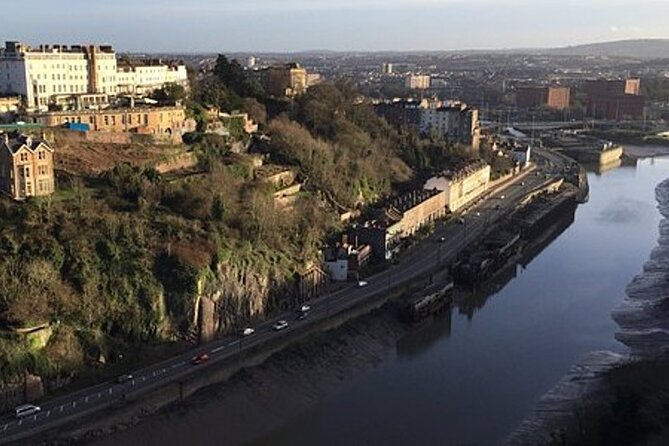
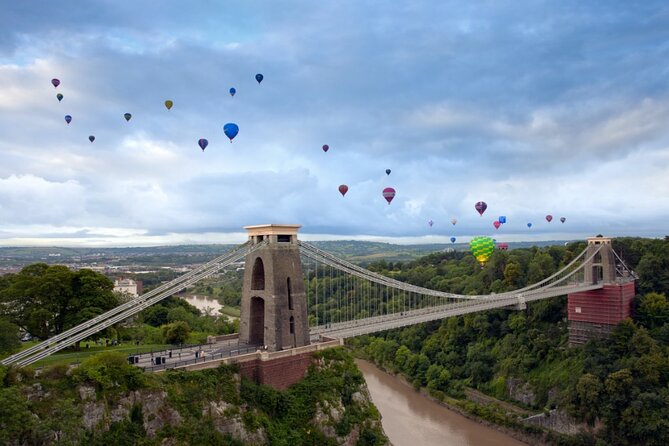
The tour begins at Clifton Observatory, Litfield Place, at 10:30 in the morning. This puts you high above the city, at the right place to appreciate why Clifton Suspension Bridge is Bristol’s signature sight.
You walk over the bridge and hear about its design, setting, and place in Bristol’s story. The bridge itself is free to cross, so the price of the tour pays for interpretation, guidance, and the route connecting several separate parts of the city rather than for entry tickets.
Allow time for views and photographs here. The bridge is not just a quick photo stop. You get a close look at the structure and the Avon Gorge, then begin the walk through Clifton. If the weather is wet or windy, the opening section can feel exposed, so a waterproof layer is sensible.
The bridge is also a useful way to start the tour. You see Bristol from above before moving into its streets, which gives the rest of the route a clear sense of place. I find that much more useful than beginning in a city centre square with no idea how the wider city fits together.
A few more Bristol trips to weigh up
- Blackbeard to Banksy – The Ultimate Walking Tour of Bristol
★ 5.0 · 1,961 reviews - Air Raid Shelter + St. Nicholas Market Walking Tour
★ 5.0 · 1,950 reviews - Ghosts, Ghouls & Gallows :The Original Bristol Ghost Walk
★ 5.0 · 262 reviews
Royal York Crescent and Clifton’s polished side
From the bridge, the walk continues to Royal York Crescent. The stop lasts about 10 minutes and focuses on the long, elegant crescent and the architecture around it.
This is one of those places you might pass quickly without a guide. The buildings are impressive, but the point is not only to admire façades. Mike explains what makes the crescent part of Bristol’s identity and helps you read the area as more than a row of grand homes.
The Clifton section gives the morning a pleasant change of pace after the bridge. You move from an engineering landmark to a residential district, then on to squares and smaller stories. The walking route makes this transition feel natural.
Victoria Square, local lives, and the Battle of Boyces Avenue
Victoria Square brings a more personal side of Clifton. The stop takes about 15 minutes and includes the Battle of Boyces Avenue and the place where WG Grace lived.
That mix is typical of the tour. You are not given only major monuments. You also hear about people, local events, and the details that make a neighbourhood feel inhabited. WG Grace gives the stop a connection to a well-known Bristol figure, while the battle story adds a sharper episode to an otherwise calm-looking square.
This is where a local guide can add real value. A map can show you Victoria Square, but it will not explain why a particular address matters or how an event fits into Bristol’s past. The audio equipment also helps here, since you can keep looking at the buildings instead of crowding around Mike.
Goldney Hall and Bristol’s Quaker connections
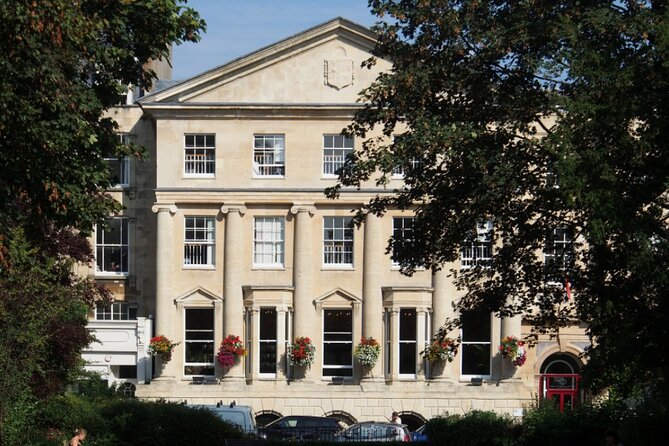
The next stop is Goldney Hall, with about 15 minutes devoted to Woodes Rogers and the Quakers. The name may be less familiar than the bridge or cathedral, which is exactly why the stop earns its place.
You get another example of Bristol’s many overlapping stories: trade, religion, business, and individual ambition. The tour does not stay on one narrow theme. It moves between architecture, people, commerce, and belief, giving you a broader sense of how the city developed.
Goldney Hall also helps break up the walk. Instead of rushing from famous sight to famous sight, you pause in places that reward a slower look. If you enjoy old buildings but want more than dates and architectural labels, this part should suit you.
Same country, a completely different day out:
- (9pm) The House Magicians Comedy & Magic Show – Smoke & Mirrors
★ 5.0 · 356 reviews - West Country Games – the most popular group activity in the South West!
★ 5.0 · 315 reviews - The House Magicians’ Comedy Magic Show at Smoke & Mirrors in Bristol (Sat 7pm)
★ 5.0 · 296 reviews - The House Magicians Comedy Magic Shows
★ 5.0 · 263 reviews
A tucked-away view of Brunel’s SS Great Britain
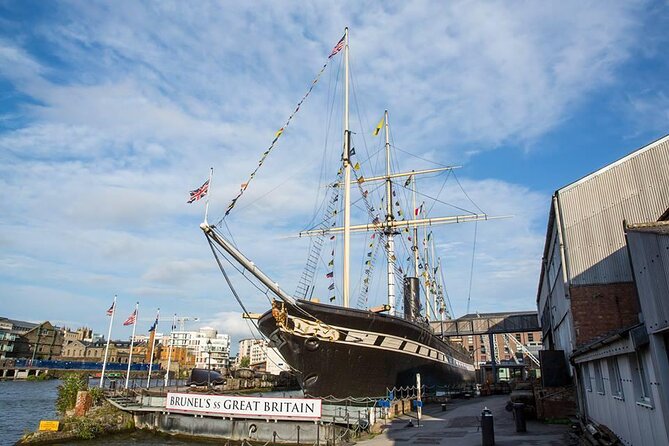
From Clifton Wood, Mike shows you a less familiar viewing point for the Floating Harbour and Brunel’s SS Great Britain. The stop lasts around 20 minutes before the route continues toward College Green.
The value here is the viewpoint. You do not simply arrive at the ship and move on. You see it from a position that helps place Brunel’s work within Bristol’s waterways and city centre. The ship is viewed rather than entered, so you should not book this walk expecting admission to SS Great Britain.
This is one of the tour’s strongest examples of why walking beats a bus for this route. A bus can take you near the main sights, but it is less likely to pause at a small viewpoint in Clifton Wood or connect that view to the walk down through the city.
The route also begins to point you toward Bristol’s Floating Harbour and central districts. By this stage, the morning has moved from high Clifton to the lower city, with the downhill direction working in your favour. You still need steady legs, but you are not repeatedly tackling steep climbs.
Bristol Cathedral and College Green
Bristol Cathedral is the main religious and civic focus of the route. You spend about 15 minutes seeing the 13th-century cathedral, St Mark’s Chapel, and the Council House.
The stop is compact, so treat it as an introduction rather than a long interior visit. You hear the key context and see how the cathedral relates to the surrounding civic buildings. College Green gives the tour a broad, open setting after the tighter streets and lanes earlier in the morning.
The route ends at College Green, near the Marriott Hotel at the bottom of Park Street. That makes the finish practical if you are staying nearby or want to continue into central Bristol after the tour.
I would not plan a sit-down meal or timed attraction immediately after the scheduled end. The experience lasts about two and a half to three hours, and the exact finish may depend on questions, walking speed, and the group. Still, ending in the centre gives you plenty of options for the rest of the day.
Frogmore Street, Banksy, and the Hatchet
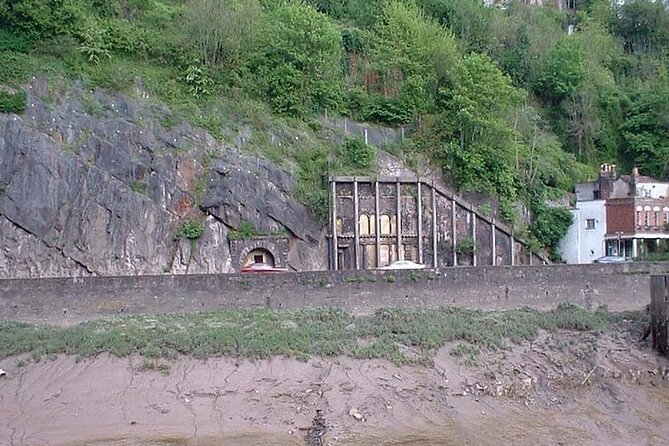
Frogmore Street brings the route into a more mixed and modern part of Bristol. Here you see Banksy’s Well Hung Lover, the Council House, the reputedly oldest pub, the Hatchet, Harvey’s famous warehouse, and the Hippodrome.
This section should appeal if you want more than a standard heritage walk. Banksy is part of Bristol’s present-day identity, and Mike explains the work and its local setting rather than treating it as a random photo stop. The contrast with the cathedral and Georgian streets keeps the tour from feeling stuck in the past.
The Hatchet and Hippodrome add another layer. You see how pubs, theatres, civic buildings, warehouses, and street art share the same central streets. It is a useful reminder that Bristol’s story is not confined to grand monuments.
The audio devices are particularly useful here. Central streets can be noisy, and you do not need to stand shoulder to shoulder with the guide to follow the explanation. I would keep the device secure and pay attention to your footing, since looking up at buildings and art while walking can make uneven pavements easy to miss.
The Old City, trade guilds, and the Colston statue
The final section passes one of Bristol’s last sugar factories, some street art, the old city wall, and the area associated with the city’s ancient trade guilds. It also covers the statue of Edward Colston.
This is the most complicated part of the tour, and it is good that the route includes it. Bristol’s prosperity was tied to trade, including the sugar industry and the Atlantic slave trade. The Colston statue has become a major symbol in arguments about how cities remember people whose public reputation was built on wealth connected to slavery.
You should expect interpretation rather than a simple list of dates. The subject can be uncomfortable, but leaving it out would give you an incomplete picture of Bristol. The walk’s wider route helps place the issue beside the city’s churches, warehouses, civic buildings, and old trading districts.
The old city wall and guild stories also add physical context. You can see how Bristol was organised and defended, then how trade shaped its streets and institutions. This is a satisfying finish because the route ends with questions about memory and identity, not just a final landmark.
Why the small group and audio devices matter
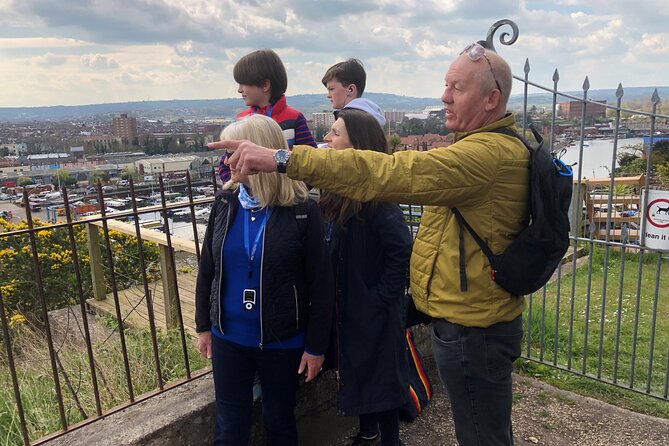
The tour accepts a maximum of eight people. That is a meaningful limit for a walking experience. You can ask Mike about a building, request clarification, or stop for a photograph without turning the group into a moving crowd.
Mike has lived in Bristol for more than 40 years, and the route makes good use of that local connection. His style includes humour, visual aids, and stories that range from Roman times to modern Bristol and Banksy. The focus is not just on reciting information. It is on helping you notice things you might otherwise walk past.
The audio devices are another practical advantage. Several people who took the walk praised how clearly they could hear Mike throughout the route. That matters on open roads, in busy areas, and when the group spreads out to look at a building.
Because the tour is offered in English, you should be comfortable listening for several hours. The devices improve sound, but they do not turn the experience into a multilingual tour.
Is $34.72 good value for this Bristol route?
At $34.72 per person, the tour is priced as a guided city experience rather than a collection of paid admissions. The listed stops are free to access, and you do not enter SS Great Britain or take a paid cathedral attraction as part of the walk.
The value comes from the route and the explanation. In roughly three hours, you connect Clifton Suspension Bridge, Royal York Crescent, Victoria Square, Goldney Hall, Clifton Wood, Bristol Cathedral, Frogmore Street, Banksy, the old city wall, and the Colston statue.
You could visit several of these places alone, but you would need to plan the route, find the less obvious viewpoints, and research the stories in advance. The tour removes that work and adds a guide who can answer questions. For a first morning in Bristol, I consider that a fair price.
It is less useful if you prefer to spend a long time inside one building or take your own route. You will not have extended time at each stop, and the experience is built around movement. If you already know Bristol well, the local details and smaller streets may still appeal, but the introductory structure could feel familiar.
Fitness, weather, and what to bring
The tour requires a moderate level of fitness. You walk for two and a half to three hours, with several outdoor stops and a route through streets, lanes, squares, and city centre areas.
Wear comfortable shoes. Bring water, and dress for the day’s weather. Bristol weather can change quickly, and the walk still takes place outdoors unless poor conditions lead to cancellation.
Nature breaks are limited, so plan ahead before the 10:30 start. Service animals are allowed, and the meeting point is near public transport. The start and finish are in different parts of Bristol, so check your route to Clifton Observatory in advance and remember that you finish at College Green.
The walk suits couples, solo visitors, families with older children, and anyone who likes to learn while moving. One family found the length right for an introduction, but also noted that the amount of walking could be difficult for very young children or older people. I would take that warning seriously.
Who should book this walking tour?
Book it if you want a first look at Bristol that joins the famous bridge to the central sights. It works well when you have one morning available and want useful orientation before exploring alone.
It is also a good fit if you enjoy local stories, Banksy, architecture, engineering, and difficult historical subjects in the same walk. Mike’s long connection with Bristol adds detail that a self-guided route may miss.
Choose something else if you need frequent breaks, want full admission to SS Great Britain, or prefer a slow visit to one or two sights. This tour covers ground, and its strength is the range of places and stories rather than extended time inside attractions.
Cancellation and practical booking details
You can cancel up to 24 hours before the 10:30 start for a full refund. Changes made less than 24 hours before the start are not accepted, and late cancellations are not refunded.
The experience requires suitable weather and a minimum number of participants. If poor weather or low numbers cause cancellation, you are offered another date or experience, or a full refund.
Confirmation normally arrives when you book. If you book within two hours of departure, confirmation is sent as soon as possible, subject to availability. Since the tour often sells well in advance, booking early is sensible if your Bristol dates are fixed.
Should you book it?
I would book this tour for a first visit to Bristol, especially if you want to see Clifton Suspension Bridge and understand how the city’s grand buildings, trade, street art, and public debates connect. The small group, clear audio devices, and downhill route make the format more comfortable than many large city walks.
Just arrive ready to walk, bring water, and allow the full three hours. If you want a broad, story-led introduction with guide Mike leading the way, $34.72 is a reasonable spend. If your priority is entering paid attractions or stopping often, use this route as a guide to the city rather than your main sightseeing plan.
FAQ
Where does the tour start?
It starts at Clifton Observatory, Litfield Place, Clifton, Bristol BS8 3LT, UK.
Where does the tour finish?
The tour finishes at College Green, near the Marriott Hotel at the bottom of Park Street in Bristol.
What time does the tour begin?
The scheduled start time is 10:30 am.
How long does the walking tour last?
The tour lasts approximately two hours and 30 minutes to three hours.
Is the tour suitable for people with limited fitness?
You should have a moderate level of physical fitness. Comfortable shoes are advised, and the walk may be difficult for younger children or older people because of the amount of walking.
What happens if the weather is poor?
The experience requires good weather. If it is cancelled because of poor weather, you are offered a different date or a full refund.
Just added around Bristol
- Wine & Cheese in the Somerset Valleys – with Michelin-star lunch!★ 5.0 · 12 reviews
- Fun, Flexible Treasure Hunt Around Bristol with Cryptic Clues & Hidden Gems★ 5.0 · 101 reviews
- Brunel Guided Tour in Bristol★ 5.0 · 4 reviews
- Sip and Paint Parties★ 5.0 · 5 reviews
- The Best of Bristol Bike Tour★ 5.0 · 39 reviews
- Brunel’s Bristol: A Self-Guided Tour from SS Great Britain to Clifton Bridge★ 4.5 · 11 reviews
- Oxford and Cotswold Small-Group Tour from Bristol★ 4.5 · 40 reviews
- Avon Gorge Rock Climbing Experiences★ 5.0 · 21 reviews
City Tours, compared.
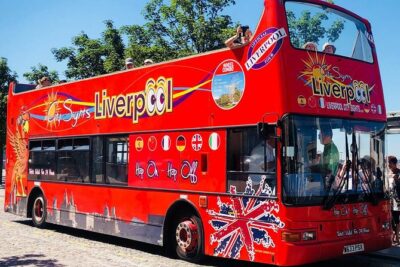
Liverpool City Sights Hop On Hop Off City Tour – 24hr Ticket
Read our review →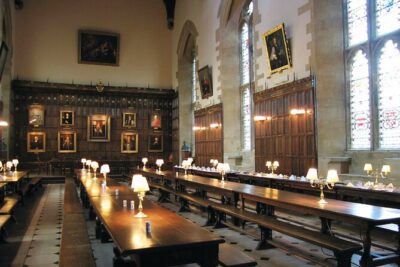
1.5-hour Oxford City and University Walking Tour
Read our review →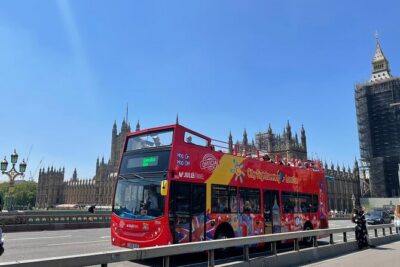
City Sightseeing London Hop-On Hop-Off Bus Tour & Bookable Extras
Read our review →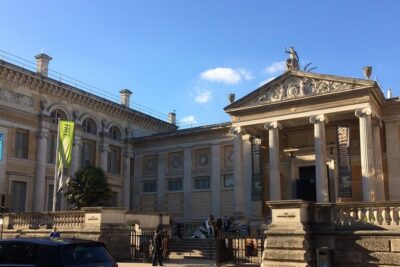
City Sightseeing Oxford Hop-On Hop-Off Bus Tour
Read our review →
Browse the lists this tour appears in