Reviewed · LONDON TOURS
Handel Hendrix House General Admission
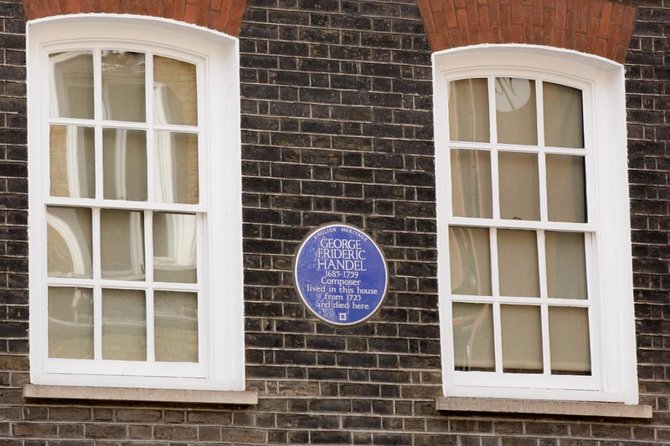
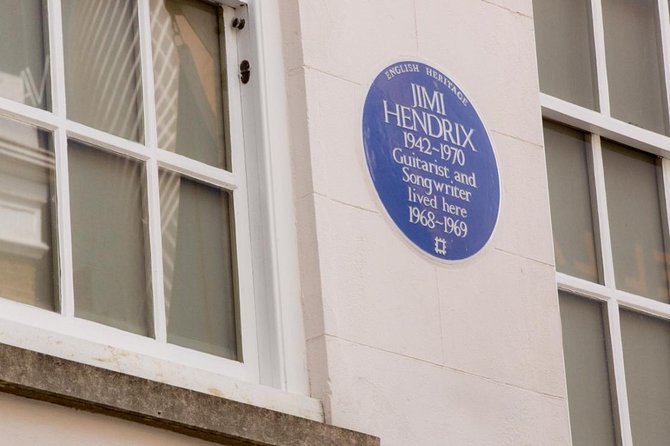
George Frideric Handel and Jimi Hendrix lived at 23 and 25 Brook Street, two centuries apart. This small London museum lets you move from baroque music rooms to a recreated 1960s rock flat in one visit, using the same staircase and neighborhood as your link between them.
I like the freedom to arrive during opening hours and explore without a fixed tour group. I also like the live musical atmosphere: a harpsichord, strings, or even an opera singer may be heard in Handel’s rooms. The main drawback is the museum’s size, so you may finish in an hour if you read quickly.
Key points at a glance
- Two musical homes in one stop: See Handel’s house at 25 Brook Street and Hendrix’s former flat next door at 23 Brook Street.
- Handel wrote Messiah here: The restored rooms show where he composed, rehearsed, performed, and worked with leading musicians of his day.
- A real 250-year-old staircase: You climb the original, uneven stairs into Handel’s home.
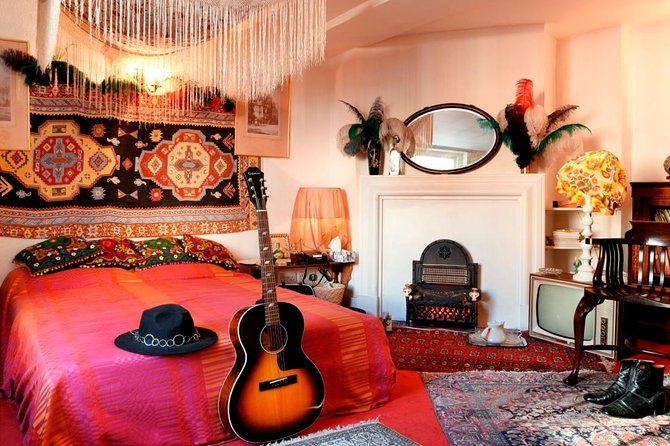
- Hendrix’s room is recreated for the period: The main room reflects how Jimi lived with his girlfriend Kathy Etchingham.
- Music may be part of the visit: Musicians sometimes practice or perform in Handel’s rooms, adding sound to the setting.
- Plan on one to two hours: The museum is open Wednesday through Sunday, from 10am to 5pm, with last admission at 4pm.
Why Handel and Hendrix share a museum

At first, Handel and Hendrix may seem like an odd pair. One was a German-born composer who shaped London’s baroque music scene. The other was an American guitarist who found fame in 1960s London. Their styles could hardly be more different, yet both made a home on Brook Street while changing the city’s musical life.
That contrast gives this visit its point. You are not simply touring two old rooms. You are seeing how London welcomed major musicians in different eras, and how a private home can reveal more than a formal concert hall or a large museum display.
The experience is self-guided. You make your own way to Brook Street, show your mobile ticket, and enter at a preferred time during the open hours. That setup works well if you are fitting the museum between shopping, galleries, or other central London plans.
Admission costs about $19.98 per person. I consider that fair if you have a real interest in either composer or musician, particularly because the ticket covers both houses. It is less compelling if you are seeking a large museum with hours of material, since most people will need only one to two hours.
Other London days people book alongside this one:
- Stonehenge, Windsor Castle, and Bath from London
★ 4.5 · 18,662 reviews - London Big Bus Hop-On Hop-Off Tour with Optional River Cruise
★ 3.5 · 10,803 reviews - London Small Group Tour of Historical Pubs
★ 5.0 · 10,422 reviews
Climbing into Handel’s 18th-century home
Begin at 25 Brook Street, where Handel lived from 1723 until his death in 1759. The first physical detail is the old staircase. It is 250 years old, uneven, and noticeably wonky. That may make the climb less comfortable than a modern museum visit, but it also gives the arrival a useful sense of place.
You are entering the house rather than a replica built in a gallery. The staircase has carried generations of people through the building, and the rooms retain the proportions of a London home. Children must be accompanied by an adult, so families should keep that rule in mind while moving through the narrow historic interior.
Inside, you see the music rooms where Handel composed, rehearsed, performed, and met important musicians of the baroque period. The rooms are restored to help you picture his working life, not just his public career. The setting makes the process of composition feel domestic and practical. Great music came from rooms used for daily living, conversation, practice, and business.
The museum places special attention on Messiah, Handel’s best-known work. This is one of the strongest reasons to visit even if you are not a specialist in 18th-century music. You can connect a famous piece of concert music with the rooms where Handel wrote it, rather than treating it as a distant work by a long-dead name.
The house also brings out Handel’s forceful personality. One memorable detail concerns his threats to throw opera singers out of the windows when they refused to sing his arias. It is a vivid reminder that musical history is full of strong opinions, difficult performers, and working relationships that were not always calm.
Let the rooms provide the soundtrack
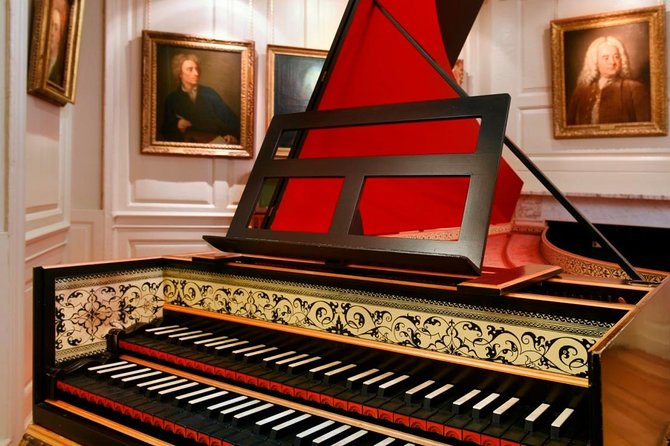
The Handel section can be unusually atmospheric because musicians sometimes play the harpsichords in the house. Depending on the timing of your visit, you might hear practice for a concert, strings, or a singer warming up. There is no guarantee of a performance, but the possibility changes the feel of the museum.
If music is being played, take your time. Sit and listen if space allows, then look around the room while the sound fills it. Hearing a harpsichord or opera voice inside a historic home connects the displays to their original purpose better than a silent room can.
This musical element has also proved valuable for people who arrive mainly for Hendrix. You may expect the 1960s portion to be the main event, but Handel’s rooms can hold your attention longer than planned. Staff members are described as friendly and willing to explain the objects and stories, so ask questions if someone is available.
The experience does not depend on having a background in classical music. You can focus on the house, the instruments, the people around Handel, and the practical details of his career. If you already play music, the room layout and instruments may hold even more interest.
Handel’s bedroom and final rooms
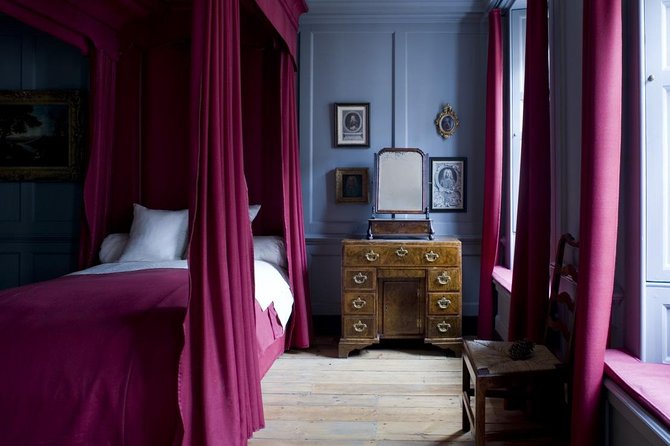
The visit includes Handel’s dressing room and bedroom, where he died. These spaces shift the mood from public music making to private life. You see the rooms connected with the end of his life, making the composer feel less like a name on a concert program and more like a person who slept, worked, argued, and aged in this house.
Temporary displays may also appear in this part of the museum. Their subjects can include Handel’s life, his work, and people connected with him. Because these exhibits change, the exact material will vary, but they give repeat visitors a reason to return.
The house is not set up as a fast-moving attraction. I recommend reading the labels, looking closely at the room arrangement, and giving yourself time to imagine the difference between a rehearsal and a finished performance. If you rush through, you will still see the main sights, but you will miss much of the value.
Same country, a completely different day out:
- Stonehenge, Windsor Castle and Bath with Pub Lunch in Lacock
★ 4.5 · 7,402 reviews - Tower of London and Crown Jewels Exhibition Ticket
★ 4.5 · 6,677 reviews - Thorpe Park Admission Ticket
★ 4.0 · 5,915 reviews - Stonehenge, Windsor Castle and Bath Full Day Guided Tour
★ 4.5 · 5,346 reviews
Crossing into Jimi Hendrix’s 1960s London
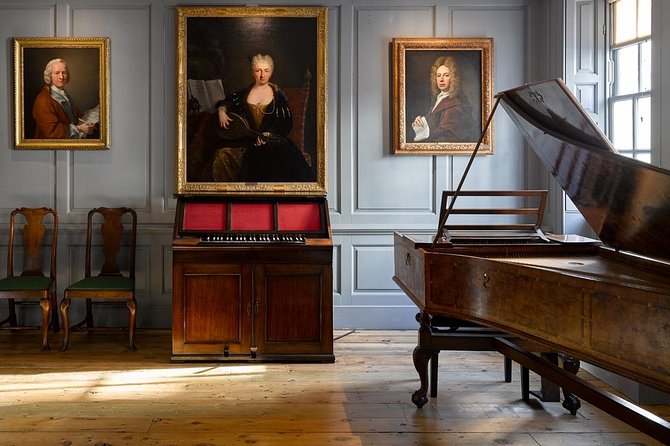
The Hendrix flat is on the third floor, next door at 23 Brook Street. Hendrix lived there from 1968 to 1969 with his girlfriend Kathy Etchingham. The change from Handel’s 18th-century rooms to late 1960s London is immediate and purposeful.
Hendrix described the flat as the first place he had truly called home. That detail gives the room emotional weight. It is not only a display about a famous guitarist. It is a glimpse of a period when Hendrix was living in London, building his career, and finding a personal base in the city that embraced his music.
The main room has been recreated to reflect how Hendrix had it. Kathy Etchingham consulted on the room, which helps explain the care taken with the period details. You can consider the space as a domestic setting rather than a stage set. The room is meant to show how he lived and played, not just present a collection of famous objects.
The displays also cover swinging 1960s London and Hendrix’s place within it. The museum connects his personal life with the city’s music scene, giving you more context than a simple wall of photographs would provide.
Guitar equipment and the details fans will appreciate

Hendrix fans will find specific objects and explanations here, including an Epiphone acoustic guitar and Roger Mayer’s Octavia. The Octavia display is especially useful because it explains how Hendrix used effects and why they mattered to his sound.
That kind of detail makes the Hendrix section stronger than a basic celebrity room. You are not only looking at items associated with him. You are also learning how equipment helped create the music. If you know Hendrix’s recordings well, the connection between the effects and his sound will likely be one of the most satisfying parts of the visit.
The display is still compact. Do not expect a full museum of Hendrix memorabilia or a long chronological account of his entire career. The focus is this flat, this period, and the experience of Hendrix living and working in Brook Street.
Staff on the Hendrix floor can add useful background when present. One particularly engaging staff member was praised for explaining the bedroom and answering questions in an easy, approachable way. Staff availability can vary, but it is worth stopping to ask about the room, the instruments, or Hendrix’s life in London.
How long to allow, and when to go
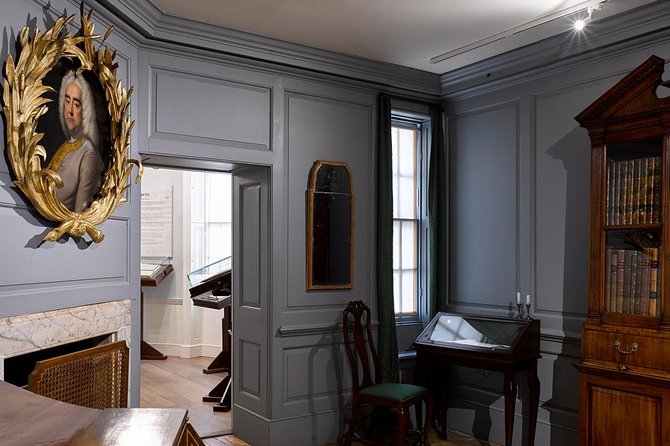
The suggested visit takes about one to two hours. I would allow the full two hours if you care about both musicians, want to read the displays, or happen to hear a practice session. An hour is enough for a brisk visit focused on the main rooms.
The museum is open Wednesday through Sunday, 10am to 5pm. Last admission is at 4pm. It is closed on Mondays and Tuesdays under the stated schedule, so check your day before setting out.
Arriving earlier or later in the day may help you avoid feeling rushed, but the experience does not assign you to a fixed starting time. You can arrive at your preferred time during opening hours. That flexibility is useful in London, where a short visit can easily be delayed by another attraction or a long lunch.
The ticket is mobile, so keep it ready when you arrive. There is a gift shop for souvenirs, though purchases cost extra. Service animals are allowed, and most people can take part. The historic staircase remains an important practical consideration because it is old and uneven.
Who will get the most from this ticket
I would choose this museum for several kinds of visitors:
- Hendrix fans who want to see a place connected to his private life rather than only read about his concerts.
- Classical music fans who want a direct link to Handel’s working rooms and Messiah.
- Musicians and music students who may enjoy the instruments, performance setting, and explanations of Hendrix’s effects.
- Families with older children who can manage the historic staircase and stay with an adult.
- Repeat London visitors looking for a focused cultural stop instead of another major national museum.
- People who enjoy small museums where staff conversation and room atmosphere matter as much as the number of objects.
I would think twice if you dislike stairs, need a fully modern building, or want a large collection with many hours of exhibits. The museum’s compact size is part of its charm, but it also limits the amount of material you can see.
Is the $19.98 admission good value?
At roughly $20, this is not the cheapest short stop in London. Still, you are paying for access to two connected homes, not just a single display room. The value is strongest when you care about both sides or when you take time with the music rooms and staff explanations.
The live music possibility adds value, though it should not be treated as a guaranteed concert. You may hear musicians practicing or a singer warming up, but the core ticket is admission to the houses and exhibitions.
I also think the price makes more sense for a dedicated Hendrix or Handel fan than for someone choosing attractions at random. A short, focused museum can be a good break from London’s large institutions, but the ticket will feel expensive if you spend only 30 minutes inside.
Free cancellation is available if you cancel at least 24 hours before the experience start time. Changes or cancellations made less than 24 hours in advance are not accepted for a refund.
Should you book Handel Hendrix House?
Book it if you want music history in a personal setting. The visit gives you Handel’s restored working rooms, the house where he wrote Messiah, and Hendrix’s carefully recreated flat in one compact stop. The contrast is unusual, and the chance of hearing live music in Handel’s rooms adds something a standard museum cannot promise.
Give yourself up to two hours, arrive between Wednesday and Sunday’s opening hours, and do not rush the old staircase or the room displays. I would especially recommend it to Hendrix fans who are willing to give Handel a fair share of their time. You may arrive for the guitar and leave thinking just as much about the harpsichord.
FAQ
Where is Handel Hendrix House located?
The museum is at Brook Street in central London. Handel lived at 25 Brook Street, while Jimi Hendrix lived in the next-door flat at 23 Brook Street.
How long does the visit take?
You should allow about one to two hours. A shorter visit is possible if you move quickly through the rooms.
What are the opening hours?
The museum is open Wednesday through Sunday from 10am to 5pm. Last admission is at 4pm.
Is the ticket mobile?
Yes. The experience includes a mobile ticket.
What does admission include?
Admission includes access to Handel’s house and the next-door flat where Jimi Hendrix lived from 1968 to 1969. You can also see temporary exhibitions when they are available.
Can children visit?
Yes, but children must be accompanied by an adult.
Are service animals allowed?
Yes, service animals are allowed.
Can I cancel for a refund?
You can cancel at least 24 hours before the experience start time for a full refund. Cancellations or changes made less than 24 hours before the start time are not accepted for a refund.
Just added around London
- Private The Beatles Taxi Tour in London★ 5.0 · 12 reviews
- The Alfred Hitchcock London Walk with Sandra Shevey★ 5.0 · 15 reviews
- Dinner and Jazz Cruise on the River Thames★ 4.0 · 140 reviews
- Airport Coach Service from Heathrow to Oxford★ 3.5 · 67 reviews
- Tower of London & 30+ London Sights Walking Tour★ 4.5 · 33 reviews
- Thames Beachcombing★ 4.5 · 100 reviews
- Ted Lasso London Taxi Tour★ 5.0 · 5 reviews
- Ted Lasso Tour of Richmond with Private Guide★ 5.0 · 25 reviews
London Tours, compared.

Stonehenge, Windsor Castle, and Bath from London
Read our review →
London Big Bus Hop-On Hop-Off Tour with Optional River Cruise
Read our review →

Stonehenge, Windsor Castle and Bath with Pub Lunch in Lacock
Read our review →
Tower of London and Crown Jewels Exhibition Ticket
Read our review →

Stonehenge, Windsor Castle and Bath Full Day Guided Tour
Read our review →