
Reviewed · JACK THE RIPPER TOURS
Jack The Ripper Walking Tour of London
Jack the Ripper’s story is not really about a shadowy villain stalking old London lanes. It is about five murdered women, a frightened East End, and a case that still has no proven killer. This 2 to 3 hour walk puts those events into place, using real locations around Whitechapel and Spitalfields rather than leaving you to chase scattered clues alone.
I like the tour’s respectful focus on the victims, and I like the way guides such as Carolina and Adam add social context instead of simply piling on grisly details. At $19.41, it is also an easy-priced way to see a distinctive part of London.
The main drawback is the subject matter. Murder, poverty, prostitution, and graphic crime details are central to the experience, and the walk is not suitable for people with mobility difficulties, prams, or strollers.
Key points to know before you book
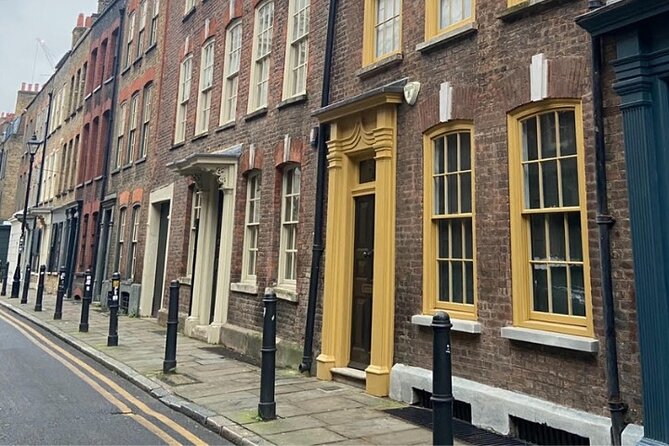
- Real East End locations: Walk through Whitechapel, Goulston Street, Brick Lane, Spitalfields, and Aldgate.
- Victims come first: The tour gives attention to the women who were killed and to the harsh conditions of Victorian East London.
- Carolina and Adam are praised guides: Their styles are energetic, clear, thoughtful, and often lightly humorous without making the subject feel cheap.
- A proper mystery discussion: You hear about clues, suspects, and theories, but no final solution is presented because the case remains unsolved.
- Small-group format: The maximum group size is 25 people, which should make it easier to hear the guide on busy streets.
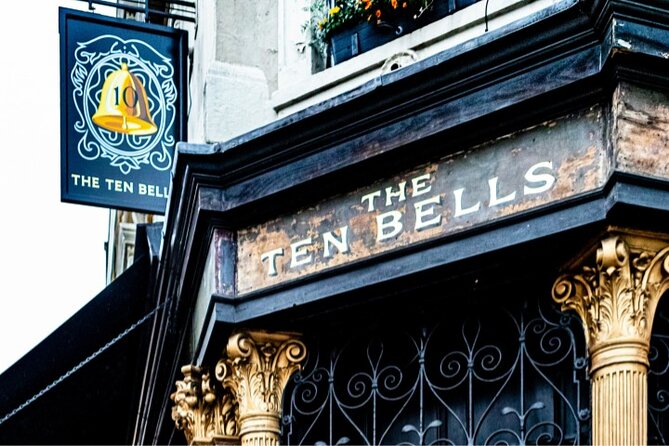
- Easy transport connection: Meet outside Aldgate Station, not Aldgate East, and finish at the Ten Bells pub.
Why this Whitechapel walk is more than a murder mystery
Jack the Ripper tours can go wrong when they treat the killer as a celebrity. This one is at its best when it explains the world around the crimes: overcrowded housing, poverty, social unrest, prostitution, and the limited protection available to women living on the margins of Victorian society.
That context matters. Without it, you get a string of spooky addresses. With it, Whitechapel becomes a place where the murders affected an already vulnerable community and exposed some of London’s worst living conditions.
I also like the way the walk uses uncertainty. You will hear about theories concerning the killer’s identity, along with clues and evidence from the case. But the guide cannot offer a neat answer, and that is part of the point. The mystery remains unresolved.
The experience is offered in English and uses a mobile ticket. With a maximum of 25 people, it is larger than a private walk but still a manageable size for a street tour. The price of $19.41 per person is modest for a guided experience lasting up to three hours, especially since it combines crime history with several East End landmarks.
More Jack the Ripper Tours in London:
- London Jack the Ripper Guided Tour with Ripper-Vision
★ 4.5 · 4,840 reviews - London Jack The Ripper Guided Walking Tour
★ 5.0 · 3,131 reviews - Ultimate Jack the Ripper : Guided Tour of London
★ 5.0 · 1,495 reviews
Meeting at Aldgate Station, not Aldgate East
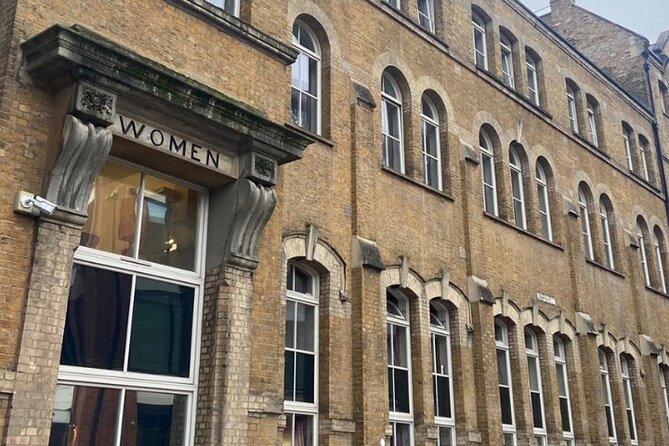
The tour begins at Aldgate Station on Aldgate High Street. This detail is important because Aldgate and Aldgate East are different stations, and arriving at the wrong one could mean a rushed start.
Look for Hotel Saint as you leave Aldgate Station. The hotel is on the right, at 9 Aldgate High Street. Your guide will be holding a yellow umbrella, which gives you a clear meeting signal on a busy London street.
The route ends at the Ten Bells pub on Commercial Street. That is convenient if you want to continue exploring Spitalfields, eat along nearby Artillery Lane, or stop for a drink after the walk. The pub is not included as a paid admission, so you can decide for yourself if you want to go inside afterward.
Whitechapel: setting the scene for 1888
Most of the tour time is spent in Whitechapel, with about two hours devoted to the area. That longer portion lets the guide build a picture of the East End rather than rushing between isolated stops.
In 1888, Whitechapel was marked by poverty, overcrowding, and social tension. The murders took place in this setting, and the fear they created reached far beyond the immediate streets. Newspapers and police reports helped turn the case into an international mystery.
You can expect the guide to explain the known crimes, the victims, and the social conditions that shaped the investigation. This is where Carolina’s approach is especially useful. She is described as speaking quickly but clearly, using photos and details that help keep the story moving without making it sensational.
Adam brings a different but equally useful style. His talks are described as energetic, friendly, and full of lesser-known facts. He also uses historical context to make the case easier to understand, which helps if you arrive knowing little about Jack the Ripper.
The Whitechapel portion is the heart of the experience, but it may also be the most intense. The guide discusses murder and prostitution, and the material is intended for a mature audience. Children’s attendance is left to parents or guardians, but an age of 14 or older is recommended.
The Ten Bells and the victims’ last known movements
The Ten Bells is the most famous stop on the route, with about 10 minutes set aside for it. The pub is closely associated with the case because several victims were known to have visited it or the surrounding area before their deaths.
The guide explores who the women were, what is known about their movements, and why the pub became part of the Ripper story. You will also consider the question that keeps the location tied to the mystery: could the killer have visited the pub?
That question is more useful as a prompt for discussion than as a claim with a clear answer. The guide’s job here is to separate evidence from speculation and show how a real place became wrapped in legend.
The Ten Bells is also the finishing point. That gives you a chance to look around the pub after the formal walk ends. Despite its dark connection to the case, it is described as warm and lively rather than eerie, so it can work as a relaxed end to a heavy subject.
If you want food afterward, Artillery Lane is a nearby recommendation from guide Carolina, particularly for Asian food. That small tip adds practical value because the tour ends in an area with more to do instead of leaving you at an isolated crime scene.
A few more London trips to weigh up
- Tour for Muggles The Ultimate Harry Potter Walking Tour in London
★ 5.0 · 4,684 reviews - Changing of the Guard Guided Walking Tour in London
★ 5.0 · 1,793 reviews - The Great British Rock and Roll Walking Tour
★ 5.0 · 1,371 reviews - Westminster Guided Walking Tour with Abbey Entry
★ 5.0 · 1,282 reviews
Goulston Street and the apron clue
Goulston Street receives about 10 minutes, but it carries one of the case’s most important pieces of evidence. After Catherine Eddowes was murdered, part of her bloodied apron was found in a doorway on this street.
The location matters because the apron was discovered alongside a message that became part of the investigation. The guide can use the spot to explain what was found, how police interpreted it, and why the clue has continued to fuel debate about the killer’s identity.
This is a good example of the tour’s value. You are not simply hearing that a piece of evidence existed. You are being shown where it entered the story, which makes the sequence easier to follow.
The drawback is that modern London does not look exactly as it did in 1888. You should come for the historical connection and the explanation, not for a perfectly preserved crime scene. The guide’s words and visual material do much of the work.
Brick Lane and the wider East End
Brick Lane is another 10-minute stop. Today it is one of the best-known streets in East London, but during the Ripper’s 1888 reign of terror it formed part of a poor East End district connected to the victims’ daily lives.
The guide places Brick Lane within that wider setting, including the movement of people through the area and its association with the women who were later killed. This helps shift the focus away from the killer’s identity and back toward the routines and dangers faced by local residents.
Brick Lane is also useful as a contrast. The street is now a popular destination, and you will see a modern neighborhood layered over a much darker past. The tour does not need every building to survive from the Victorian period to make the connection meaningful.
The short stop means you will not get a full food, street-art, or market tour of Brick Lane. If that is your main interest, plan a separate visit. Here, the street is part of the Ripper route, not a stand-alone cultural excursion.
Spitalfields Market and the lives behind the case
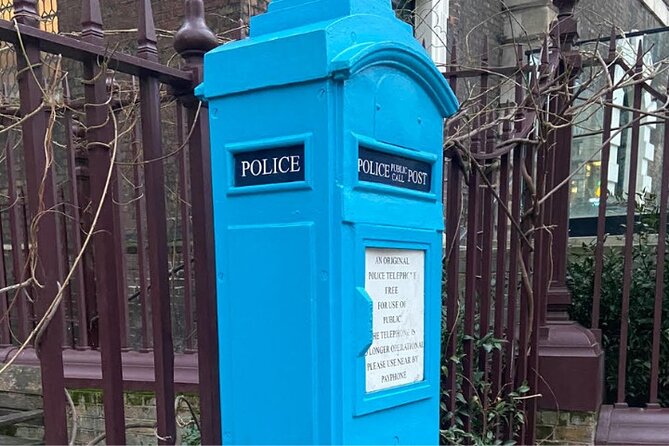
Spitalfields Market is linked to the case because several victims lived nearby or were last seen in the area. Its location close to Whitechapel made it part of the same East End setting of poverty, crowded streets, and crime.
The market itself is a modern landmark, so the guide’s historical explanation is essential. You will learn how the surrounding streets functioned in Victorian London and why this part of the East End repeatedly appears in accounts of the murders.
I appreciate this part of the route because it gives the victims a place in an actual community. They were not just names in a crime list. They lived, worked, drank, walked, and tried to survive in the same streets you are visiting.
The stop lasts around 10 minutes. That is enough for orientation and storytelling, but not enough to shop or explore the market in detail. If you want time inside Spitalfields Market, return after the tour.
Christ Church Spitalfields and the church’s shadow
Christ Church Spitalfields is another 10-minute stop. Its large presence near the old Whitechapel streets provides a strong visual reminder of the period, even though the church itself was not a crime scene.
The church was close to locations connected with the murders, and some victims were last seen in the surrounding area. The guide uses the building and its setting to explain how the neighborhood looked and felt during the Ripper era.
This stop adds variety to the route. You are not only moving from pub to doorway to street corner. You are also seeing a major East End landmark that helps you understand the scale and character of the district.
The experience is outdoors and dependent on walking between stops, so weather can affect the outing. If poor weather causes cancellation, you are offered another date or a full refund. Wear comfortable shoes and prepare for London conditions, since the tour is not designed for anyone with walking or mobility difficulties.
St Botolph’s Aldgate and the women of the area
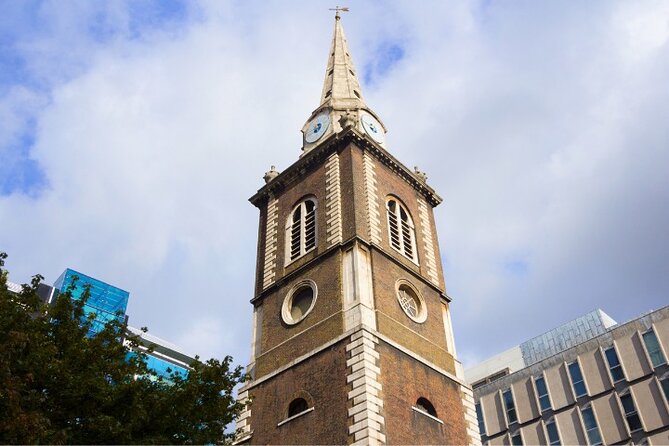
St Botolph’s Aldgate is closely tied to the case because of its proximity to several crime scenes. The church was known locally as the Church of Prostitutes because women gathered nearby for safety, and several of the Ripper’s victims were connected with the area.
This stop gives the guide another chance to discuss the women’s lives rather than treating them as supporting characters in a killer’s story. It also shows how public spaces, churches, pubs, and busy streets shaped the choices available to women who lacked secure housing or income.
At around 10 minutes, the stop is brief. Its value comes from the explanation and the location, not from a long interior visit. Admission is free, and the tour focuses on the area around the church.
How the guides shape the experience
The strongest feature of this tour is the guiding. Carolina is praised for a fast but digestible delivery, clear photos, and a careful focus on the victims. That pace may suit you if you like a lot of information and do not want long pauses between facts.
Adam is described as friendly, humorous, and full of context. His style can make the material easier to absorb, especially if you know little about the case. He also chats with the group between stops, which can make the walk feel more personal.
Guide style can vary, of course, but the experience is built around professional guides rather than an audio recording or self-guided map. That matters on streets where modern buildings and changed layouts can otherwise make the 1888 story hard to picture.
The best guides will help you tell the difference between documented evidence, later theories, and folklore. They will also keep the victims in view. That balance is important for a subject that is often sold as spooky entertainment.
Is $19.41 good value for a London walking tour?
At $19.41 per person, this is inexpensive by London tour standards. You are paying for a guided walk lasting roughly two to three hours, with a route through several recognizable East End locations and a guide who supplies the historical framework.
There are no admission charges at the listed stops, so the price mainly covers the guide’s time and expertise. That is fair value if you want structure, storytelling, and discussion of the evidence. You could walk through Whitechapel on your own, but you would miss much of the connection between the streets and the case.
The value is lower if you already know the subject extremely well and prefer independent research. Even then, guides Carolina and Adam are reported to add lesser-known facts and context, so the experience can still help organize what you already know.
The tour is often booked well ahead, with an average booking time of 48 days in advance. If your London dates are fixed, booking early is sensible. Free cancellation is available up to 24 hours before the start time, but cancellations or changes inside that window are not refunded or accepted.
Who should book this walk?
I would choose this tour if you enjoy unsolved mysteries, social history, and walking tours that connect real locations with documented events. It is also a good fit if you want to see Whitechapel and Spitalfields with a clear route instead of trying to match old crime maps to modern London by yourself.
You do not need prior knowledge. Adam’s contextual approach and Carolina’s clear explanations should help newcomers follow the story, while the discussion of clues and lesser-known facts gives experienced mystery fans something to consider.
I would skip it if murder and prostitution are not subjects you want on a holiday. The guide will not alter the tour for children, and the recommended minimum age is 14. I would also avoid it if you need a low-effort route, use a stroller, or have walking difficulties.
Should you book the Jack the Ripper Walking Tour?
Book it if you want a fairly priced, well-organized walk that treats the Ripper case as social history as well as mystery. The route covers the key East End locations, the guides bring energy and context, and the focus on the victims gives the experience more substance than a simple ghost story.
The best plan is to meet carefully at Aldgate Station, wear comfortable shoes, and leave time afterward for the Ten Bells or food on Artillery Lane. If you can handle the mature subject matter and a few hours on foot, this is a useful way to understand one of London’s most disturbing chapters without losing sight of the people at its center.
FAQ
How long does the Jack the Ripper Walking Tour last?
The tour lasts approximately two to three hours.
How much does the tour cost?
The listed price is $19.41 per person.
Where does the tour begin?
The tour begins at Aldgate Station on Aldgate High Street in London.
Should I meet at Aldgate East Station?
No. You should meet at Aldgate Station, not Aldgate East.
How do I find the guide?
Meet next to Hotel Saint as you exit Aldgate Station. The guide will be holding a yellow umbrella.
Where does the tour finish?
The tour ends at the Ten Bells pub at 84 Commercial Street, London E1 6LY.
Is the tour suitable for children?
The tour covers murder and prostitution. Children may attend at a parent or guardian’s discretion, but an age of 14 or older is recommended. The guide will not change the tour for children.
Is the tour suitable for people with mobility difficulties or strollers?
No. The tour is not suitable for people with walking or mobility difficulties, prams, buggys, or strollers.
Just added around London
- Private The Beatles Taxi Tour in London★ 5.0 · 12 reviews
- Airport Coach Service from Heathrow to Oxford★ 3.5 · 67 reviews
- The Alfred Hitchcock London Walk with Sandra Shevey★ 5.0 · 15 reviews
- Dinner and Jazz Cruise on the River Thames★ 4.0 · 140 reviews
- Tower of London & 30+ London Sights Walking Tour★ 4.5 · 33 reviews
- Thames Beachcombing★ 4.5 · 100 reviews
- Ted Lasso London Taxi Tour★ 5.0 · 5 reviews
- Ted Lasso Tour of Richmond with Private Guide★ 5.0 · 25 reviews
Jack the Ripper Tours, compared.
London Jack the Ripper Guided Tour with Ripper-Vision
Read our review →
Ultimate Jack the Ripper : Guided Tour of London
Read our review →
London Jack The Ripper Small-Group Walking Tour
Read our review →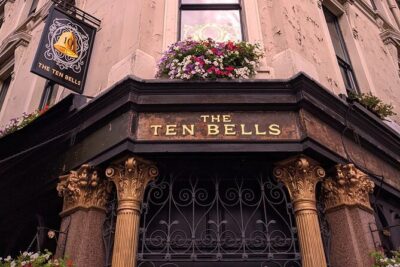
The Original Jack the Ripper Coach Tour of Haunted London
Read our review →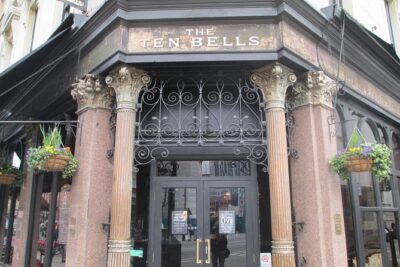
Browse the lists this tour appears in