
Reviewed · SOUTHAMPTON TOURS
Journey Through Winchester’s Past
Winchester’s past is packed into a walkable city center, where medieval gates, royal power, cathedral grandeur, and ruined palace walls sit within easy reach of one another. This tour gives you a useful first look, with Bryan linking local events to the wider story of England.
I like the small maximum group of 15, which leaves room for questions and makes it easier to hear the guide in busy streets. I also like the easy pace and broad mix of sights, from the Tudor-era Westgate to the Great Hall and the riverside setting around Wolvesey Castle.
The main point to watch is admission. The walk visits the major sights, but the tour price does not clearly mean entry into every building. If you want to go inside Winchester Cathedral or other attractions, check the current admission arrangements before booking.
Five things to know before you book
- Bryan brings history down to street level: Expect dates, characters, humor, and stories about how Winchester shaped England.
- The route covers five major landmarks: Westgate Museum, the Great Hall, Winchester Cathedral, the Buttercross, and Wolvesey Castle.
- It is a gentle two-hour introduction: The walk is designed for a broad range of ages and abilities, with accessible participation noted for limited mobility and limited eyesight.
- Small groups are part of the appeal: The maximum is 15 people, though a very small group may finish a little early.
- The Wykeham Arms discount adds a useful finish: You receive 20% off drinks and dining at the historic pub where the walk ends.
Why Winchester works so well on foot
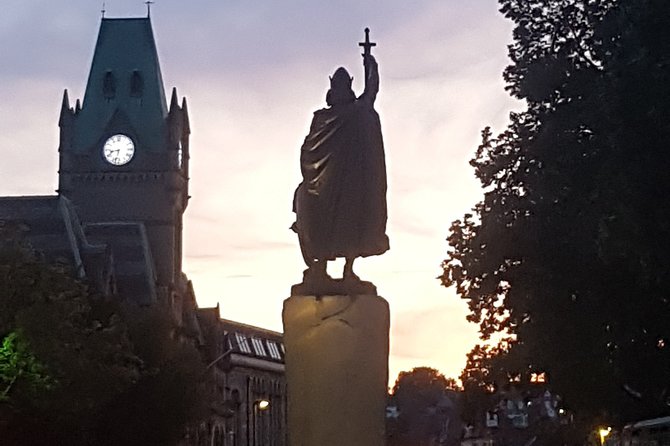
Winchester is one of those English cities where the past is not locked away in one museum. It appears in gateways, church walls, street plans, ruined stonework, and old public buildings. That makes a guided walk especially useful here. You are not simply moving from one ticketed sight to another. You are learning how the pieces fit together.
At about $16.64 per person, the tour is priced as an affordable introduction rather than a full day of paid admissions. The value comes from the guide’s interpretation. Bryan explains details you could easily pass without noticing, then connects them to kings, bishops, civil conflict, literature, and everyday city life.
The walk begins at 10 a.m. in Winchester, with the starting point listed in the SO23 8UH area. It ends at the Wykeham Arms on Kingsgate Street, SO23 9PE. Since Winchester is in Hampshire and the booking location is given as Southampton, take care when planning transport. This is a Winchester walking tour, not a sightseeing departure from central Southampton.
The advertised length is about two hours. Actual timing can vary with group size and questions. A group of six finished in about one hour and 45 minutes, while a smaller group was reported to end a little earlier than expected. That is not necessarily a problem if the guide covers the planned sights, but you should not book it assuming a rigid two-hour performance.
Other Southampton days people book alongside this one:
- Walk the Secrets of the Titanic
★ 5.0 · 391 reviews - Luxury Sailing Experience Day with Champagne and Lunch or Dinner
★ 5.0 · 220 reviews - Private Transfer Heathrow to / from Southampton Hotels or Ports
★ 4.5 · 72 reviews
Westgate Museum and the city gates
The Westgate Museum is a strong place to begin because it gives you a physical sense of Winchester’s defenses and civic life. Medieval gates front the building, which also has Tudor and Stuart connections. Inside, exhibits occupy a former debtor’s prison.
That mix tells you quite a bit about the city before you have walked very far. Westgate was not just a passage through a wall. It was part of the machinery of control, trade, movement, and punishment. The former prison adds a more human side to the story, reminding you that old buildings often held very different roles over time.
The route information lists admission as free for this stop, but that should not be confused with admission being included in the tour price. The guided walk is the paid product. If you plan to spend time inside the museum, confirm its current opening and entry details separately.
I like starting here because the gateway is easy to picture. A good guide can turn stonework and narrow approaches into a story about who entered Winchester, who controlled access, and how the city changed as England changed.
The Great Hall and the remains of Winchester Castle
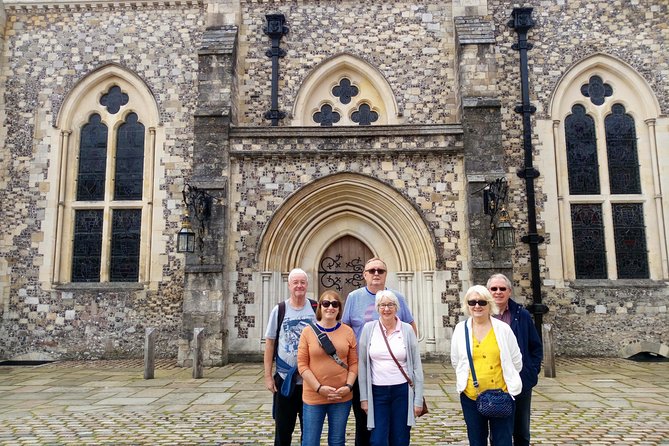
The Great Hall is the grandest stop on the route. It is one of the finest surviving 13th-century halls and the only major part left of Winchester Castle. Even without a full castle complex around it, the building gives you a sense of royal scale.
This is where Bryan’s wider historical approach should be most useful. The hall is not an isolated architectural curiosity. It belongs to the story of Winchester as a center of royal government and power. You will get more from the walls when you understand why a hall of this size mattered, who gathered there, and how public ceremony helped rulers project authority.
The Great Hall is also a good example of why a walking guide can add value even if you have already seen a sight on your own. The building makes an immediate impression, but the surrounding context may be less obvious. One group had visited the Great Hall before the walk and still found that the tour showed them other details and parts of Winchester they had missed.
The attraction is listed with free admission in the route details. Again, check what that means for your planned visit, since one unhappy customer understood the description to promise included tickets. The safest reading is that the tour takes you to the site, while paid entry inside attractions is separate unless your booking confirmation says otherwise.
Winchester Cathedral, a major landmark on the route
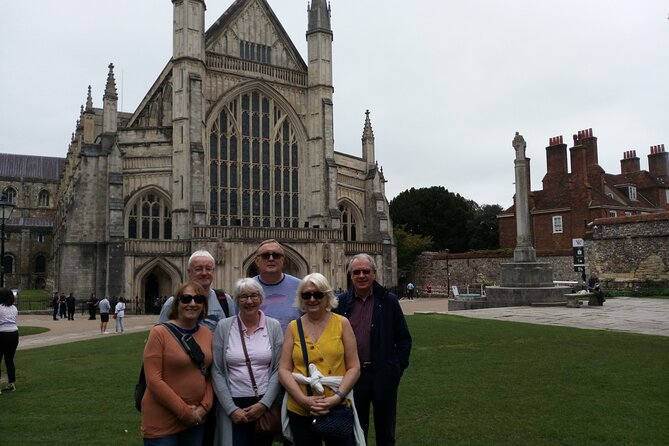
Winchester Cathedral is the visual and historical anchor of the walk. It is a Church of England cathedral and one of Europe’s largest, with the greatest overall length of any Gothic cathedral. Even from outside, its scale changes your sense of the city.
The guide’s role here is to help you see the cathedral as part of Winchester rather than as a stand-alone church. Its presence reflects the power of the bishopric and the importance of Winchester across English history. The cathedral also connects naturally with the nearby royal and civic sights, creating a clear thread through the morning.
You should allow extra time if you want to explore the interior. The walking tour itself does not include cathedral entry. One visitor toured inside afterward at an additional cost, and another group joined a guided cathedral visit after the morning walk. That order makes good sense: first learn the setting and story, then return inside with more context.
If you have only a short time in Winchester, this stop helps you decide where to spend it. The walk gives you an introduction, while a separate interior visit lets you slow down and examine the building properly. Do not expect the two-hour tour to replace a full cathedral visit.
Same country, a completely different day out:
- Southampton Cruise Port To Central London transfers
★ 4.0 · 54 reviews - Stonehenge and Salisbury Cathedral Private Tour from Southampton
★ 5.0 · 50 reviews - Southampton Cruise Terminals to London Private Arrival Transfer
★ 4.5 · 44 reviews - Southampton to Heathrow via Attraction of your choice
★ 5.0 · 30 reviews
The Buttercross and Winchester’s everyday center
The Winchester Buttercross is a 15th-century landmark on the High Street. It may not take as long to view as the cathedral or Great Hall, but it helps explain the city as a working town rather than only a place of kings and bishops.
Public landmarks like this are easy to overlook when you are shopping or trying to find your way. With a guide, the Buttercross becomes a prompt to think about markets, local government, and the daily business that kept an old city alive. Bryan is particularly good at pointing out details that have no obvious sign beside them.
This is also where the tour’s gentle walking style works well. You are not rushing between distant attractions. The route uses the city itself as the exhibit, with the guide supplying the links between buildings and streets.
The High Street can feel more exposed and active than the quieter ruins, so a small group matters here. It is easier to stay together and hear the explanation when the route passes through a public center.
Wolvesey Castle and the quieter end of the walk
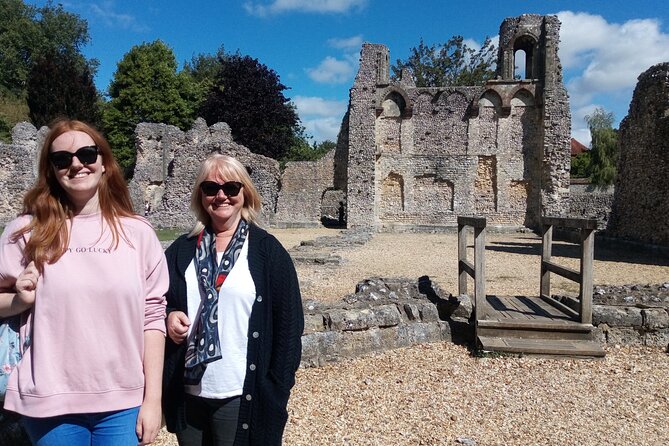
Wolvesey Castle is the ruined palace of the Archbishop of Winchester. The route allows about 20 minutes here, making it the main pause among the stops. Ruins require more imagination than intact buildings, and this is one place where a clear guide can make a big difference.
You will see what remains of an important ecclesiastical residence, but the stones alone do not explain the former power of the site. Bryan’s storytelling helps supply the missing structure: the palace as a place of status, administration, and church authority.
Several accounts of the walk highlight a pleasant section near the River Itchen. The river is not listed as a separate formal stop, but the route can include a walk in that direction, and it was one of the areas people were glad not to miss. This quieter stretch gives the tour a welcome change from the central streets.
Weather matters more here than it does in a museum. The walk operates outdoors, and one group enjoyed bright sunshine while another stayed engaged through cold rain. Bring sensible clothing and shoes. The route is described as easy, but old streets and outdoor ruins still call for footwear with a decent grip.
Bryan’s guiding style
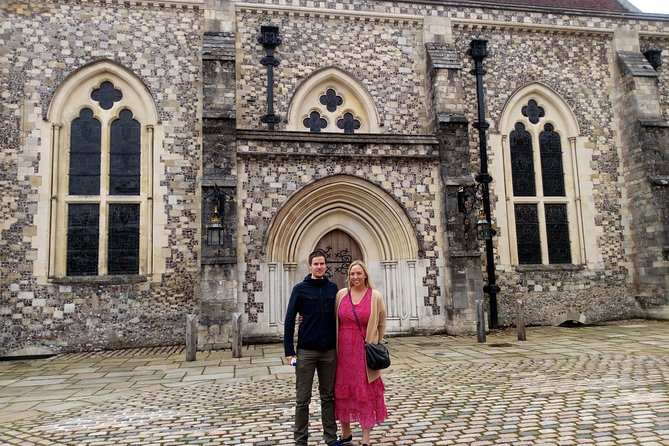
The strongest feature of this experience is the guide. Bryan is repeatedly described as personable, funny, enthusiastic, and well prepared. His approach combines dates and political history with local stories, odd facts, and humor. He has even been known to add a song, including a rendition connected with Winchester Cathedral.
That style suits Winchester because the city can otherwise feel like a long sequence of old stones. Bryan gives the places characters and consequences. He can move from Arthurian legend to two castles and two palaces, then bring in Jane Austen, John Keats, Oliver Cromwell, and modern Winchester.
You should expect a guide-led conversation rather than a silent march. Questions are welcome, and the group size makes it easier to ask them. If you prefer a strictly scripted tour with no jokes or side stories, this may feel more relaxed than expected. For most people, that informality is a benefit.
The guide also talks about Winchester today, not just its past. That balance matters. You learn what made the city important, but you also get a sense of it as a living place rather than a preserved history set.
Group size, pace, and accessibility
The maximum group size is 15. That is small enough for a personal feel and large enough to keep the tour running if several people cancel. The experience is suitable for families, and most participants can take part.
The supplied access information says the activity is accessible for people with limited mobility and limited eyesight. Service animals are allowed, and animals or pets are allowed. Still, the walk includes outdoor streets, historic areas, and ruins, so you should contact the provider if you need details about surfaces, seating, or the exact route.
A smaller group can change the timing. With only two people, the walk may finish before the full estimate because there are fewer questions and less time needed to gather everyone. That does not mean the route is incomplete, but it is worth knowing if you have arranged lunch or transport around a precise finish.
The walk is offered in English. Confirmation is provided at booking, and the meeting point is near public transportation. Since the start and finish are in Winchester, plan your return journey from the Wykeham Arms rather than from the first meeting point.
The Wykeham Arms finish
Ending at the Wykeham Arms is a practical touch. You receive 20% off drinks and dining at this historic pub, giving you an easy place to continue the conversation or have lunch after the walk.
The discount is not the main reason to book, but it improves the tour’s value. A morning walk that finishes near food is more useful than one that leaves you at an unclear street corner. It also gives you a chance to sit down after the outdoor portion.
Treat the offer as a benefit, not a guarantee of a reserved table or a meal included in the price. The information provided confirms the discount on drinks and dining, not a specific menu, booking arrangement, or included refreshment.
Price, ticket confusion, and real value
At $16.64 per person, this is inexpensive for a two-hour guided introduction to a city with several major historic sites. You are paying for access to the guide’s knowledge, route planning, and ability to turn separate landmarks into one story.
The value is strongest if you are new to Winchester or have limited time. You can get oriented quickly, identify the places worth returning to, and avoid spending your morning wandering past important details. It also works well as a first activity before a separate cathedral visit.
The price is less attractive if you expect entry to multiple attractions. The route identifies the stops and marks admission as free, but one booking caused confusion over whether tickets were included. The provider’s response clarified that the ticket covered the guided experience, not every attraction entrance.
My practical advice is simple: book the walk for the commentary and city orientation. Budget separately for any interior visits you want, especially Winchester Cathedral. Read the confirmation carefully before you go.
Who should book this Winchester walk
I would choose this for:
- Families wanting a manageable introduction to Winchester
- First-time visitors who want the main sights explained in context
- History and architecture fans who enjoy dates, characters, and political stories
- People who prefer a small group to a large city tour
- Visitors with time for a cathedral visit after the walk
- Anyone looking for an affordable morning activity from Southampton or elsewhere in Hampshire
It may be less suitable if you want a full interior tour of every attraction, a private guide guaranteed for your party, or a precisely timed two-hour program. The small-group format can be a strength, but a very small booking may end early.
Should you book Journey Through Winchester’s Past?
Yes, if you want a lively orientation to Winchester at a modest price. The route covers the city’s essential historic landmarks, and Bryan’s mix of facts, humor, and local detail gives the walk more character than a simple point-to-point tour.
Book it early if your dates are fixed. The experience is often reserved around 20 days ahead, and it requires a minimum number of participants. You can cancel for a full refund up to 24 hours before the start time, but changes or cancellations inside that window are not accepted.
Make the most of it by arriving ready for an outdoor walk, keeping your schedule flexible by 15 minutes, and planning any paid cathedral visit separately. If you want Winchester to make sense before you explore it on your own, this is a sensible, good-value choice.
FAQ
Where does the tour start?
The tour starts in Winchester, England, at the listed meeting point in the Winchester SO23 8UH area. The start time is 10 a.m.
Where does the tour end?
The walk ends at the Wykeham Arms, 75 Kingsgate Street, Winchester, SO23 9PE.
How long does the experience last?
The tour lasts approximately two hours. A small group may finish somewhat earlier, depending on questions and the pace of the walk.
What sights are included in the route?
The route visits Westgate Museum, the Great Hall, Winchester Cathedral, Winchester Buttercross, and Wolvesey Castle. A section near the River Itchen may also be part of the walk.
Are attraction entrance tickets included?
The tour price covers the guided walking experience. Entry into attractions is not clearly included, so check your confirmation and budget separately for any interior visits, including Winchester Cathedral.
How many people can join the tour?
The experience has a maximum of 15 participants. Smaller groups allow for a more personal walk and easier questions.
What is the cancellation policy?
You can cancel at least 24 hours before the start time for a full refund. Cancellations or changes made less than 24 hours before the experience are not accepted for a refund. If the provider cancels because the minimum number is not met, you will be offered another date or experience, or a full refund.
Just added around Southampton
- Private Pre Cruise Excursion Transfer London to Southampton Port Via Stonehenge★ 5.0 · 27 reviews
- Stonehenge, Windsor, Salisbury… Private Trips from Southampton★ 5.0 · 25 reviews
- Stonehenge and Salisbury Cathedral Private Tour from Southampton★ 5.0 · 50 reviews
- Visit Stonehenge and Salisbury from Southampton★ 5.0 · 28 reviews
- Shuttle Service Southampton Cruise Terminals to Heathrow Airport and London★ 4.0 · 26 reviews
- Southampton Cruise Port To Central London transfers★ 4.0 · 54 reviews
- Southampton Cruise Terminals to London Private Arrival Transfer★ 4.5 · 44 reviews
- Southampton to Heathrow via Attraction of your choice★ 5.0 · 30 reviews
Southampton Tours, compared.
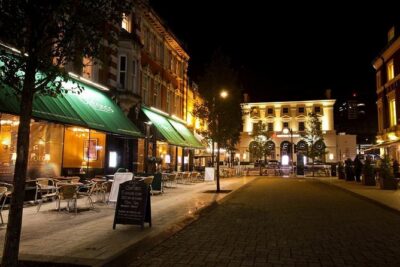
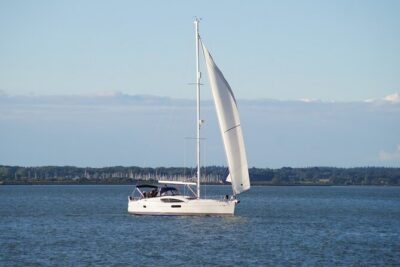
Luxury Sailing Experience Day with Champagne and Lunch or Dinner
Read our review →
Private Transfer Heathrow to / from Southampton Hotels or Ports
Read our review →
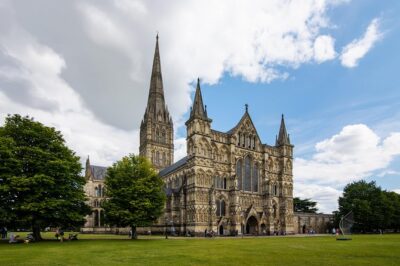
Stonehenge and Salisbury Cathedral Private Tour from Southampton
Read our review →
Southampton Cruise Terminals to London Private Arrival Transfer
Read our review →
Arrival / Departure Private Transfer Heathrow Airport to Southampton Cruise Port
Read our review →
Browse the lists this tour appears in