
Reviewed · BLACKPOOL TOURS
SEA LIFE Blackpool Admission Ticket
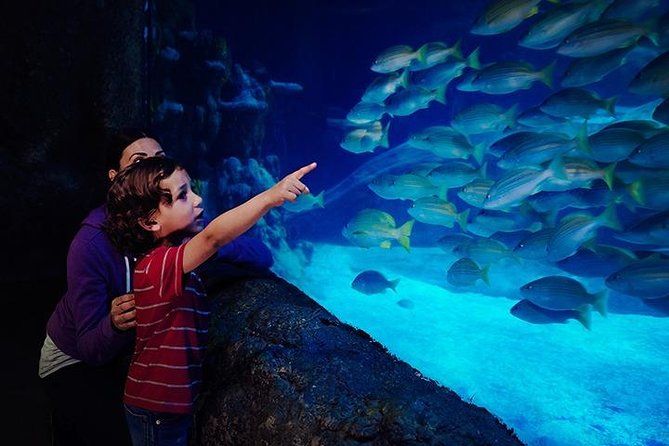
SEA LIFE Blackpool brings you close to more than 2,500 water-dwelling creatures, with the best moments coming in the underwater tunnel and the hands-on Rock Pools. You can watch rays glide overhead, peer at sharks through huge viewing windows, and see tiny seahorses doing their odd, graceful dance.
I like the clear mix of local and tropical species, and I like that the visit works well for families because you can move at your own pace. The touch pools add a physical element, while the ocean walk-through gives you a memorable close-up look without requiring a boat, wetsuit, or outdoor excursion.
The main consideration is time. The attraction usually takes about one to two hours, so it is a focused indoor visit rather than a full-day activity. Some displays may also hold your attention longer than others, especially if you have older children who prefer large sharks and rays to smaller fish.
Key points to know before you go
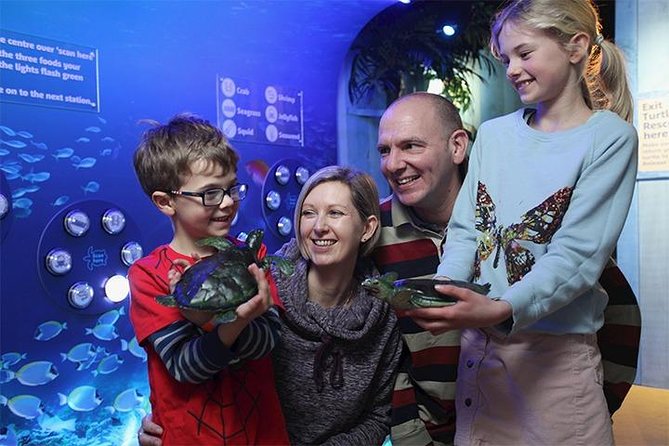
- Touch starfish and other rock-pool creatures: The Rock Pools include starfish, crabs, anemones, and cleaner shrimp, with the chance to get close to selected animals.
- See North West marine life: Native shoreline displays include plaice, lobster, octopus, anemones, crabs, and starfish.
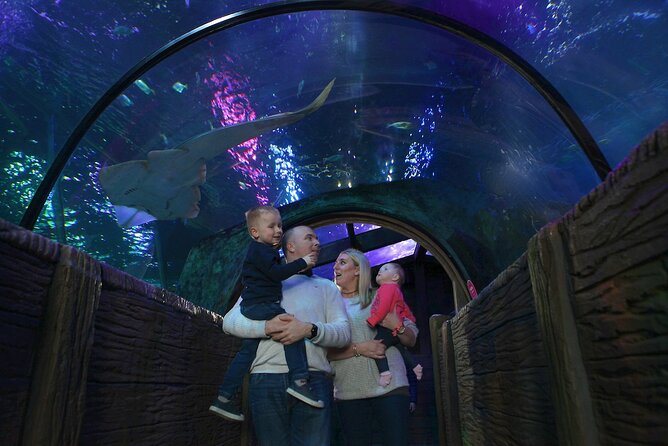
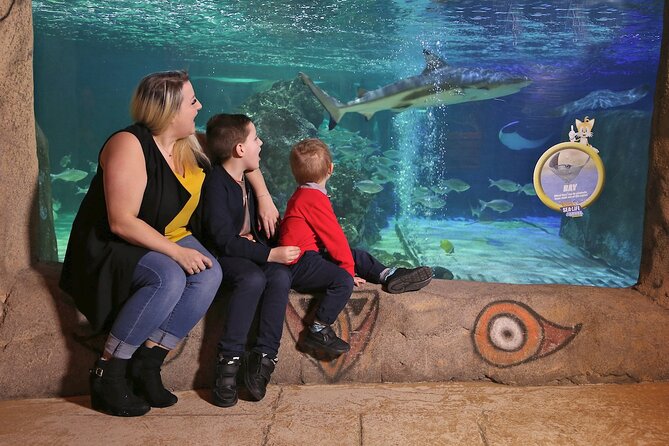
- Walk beneath sharks and rays: The ocean tunnel brings you under black tip sharks, white tip sharks, nurse sharks, stingrays, and other large fish.
- Look for carefully bred seahorses: Seahorse Kingdom features seahorses alongside lionfish, clownfish, regal tangs, and unicorn fish.
- Find jungle creatures indoors: Turtles, chameleons, piranhas, poison dart frogs, and tomato frogs fill the rainforest section.
- Book ahead for a modest price: The listed admission is $19.32 per person, with free cancellation available up to 24 hours before the start time.
What your $19.32 admission gets you
SEA LIFE Blackpool is a compact aquarium visit with a lot packed into a short route. Your admission covers the attraction itself, and the mobile ticket lets you keep entry details on your phone rather than carrying a printed voucher.
At $19.32 per person, the value depends on how you use the visit. If you spend only 45 minutes moving quickly from tank to tank, the price feels less attractive. If you take time at the viewing windows, stop for the touch-pool experience, and let children revisit favorite displays, the one to two-hour visit gives you a fair indoor activity for the cost.
Pre-booking also has practical value. Entry is guaranteed with a reserved ticket, which matters when your day in Blackpool is built around several fixed plans. The attraction is offered in English, and confirmation arrives when you book.
You should note that souvenir photos cost extra. The admission ticket includes the aquarium visit, not optional purchases.
A few more England trips to weigh up
- Tower of London and Crown Jewels Exhibition Ticket
★ 4.5 · 6,677 reviews - Thorpe Park Admission Ticket
★ 4.0 · 5,915 reviews - Alton Towers Resort 1 Day Admission Ticket
★ 3.5 · 5,501 reviews
Starting at the Rock Pools
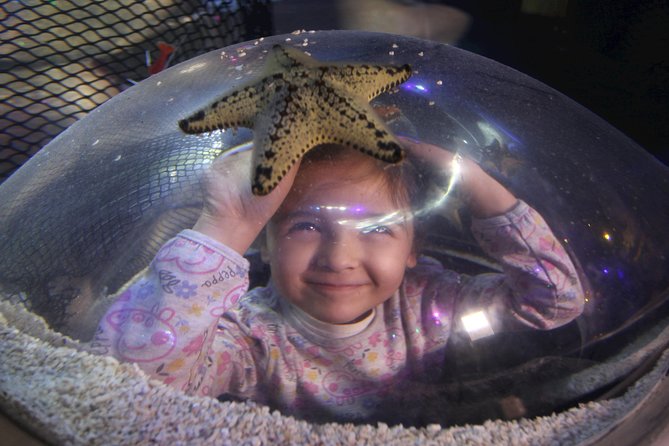
The Rock Pools are a good opening because they turn the visit from a simple walk past glass tanks into a more hands-on encounter. You can see tropical and native creatures such as starfish, crabs, anemones, and cleaner shrimp, and you may have the chance to touch selected animals.
This area works especially well for younger children. A starfish or crab is easier to understand when you can see its texture and movement close up, rather than only viewing it from a distance. You will still need to follow the attraction’s handling instructions, but the experience gives the visit a useful physical starting point.
I also like the local angle here. The displays do not treat the sea as something found only in faraway reefs. They introduce you to creatures associated with the North West shoreline, including plaice, lobster, octopus, anemones, crabs, and starfish.
The drawback is that touch areas can become a natural stopping point, particularly for families. If the attraction is busy, you may need patience and a little extra time before everyone gets a turn.
Meeting the North West shoreline
After the Rock Pools, the native shoreline displays provide a change of scale. You can look for familiar coastal creatures and get a sense of what lives in nearby waters, including octopus, lobster, plaice, starfish, crabs, and anemones.
This part gives the visit more meaning than a parade of exotic fish. You see animals linked to the waters around the region, then later move into tropical habitats and larger ocean tanks. That contrast helps you understand the range of environments represented inside the aquarium.
The displays are also useful for children who know the seaside mainly as a place for sand and waves. Here, you can point out the animals that may live beneath the surface. The octopus is a particularly good example of a creature that often feels far removed from an ordinary beach visit.
You should allow time to look carefully. Smaller animals can be missed if you rush toward the larger tanks, and the attraction is at its best when you treat it as a series of short discoveries rather than one fast circuit.
Finding the ocean giants at Quayside
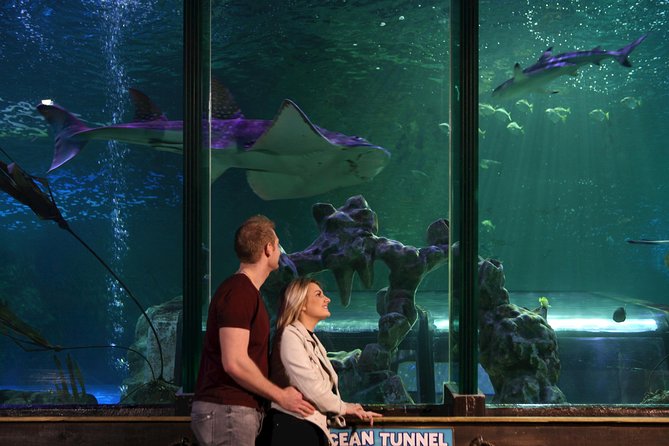
The Quayside area shifts the focus to larger sea life. Here you can see stingrays, other rays, pollock, brill, and dogfish.
The rays provide some of the most graceful movement in the attraction. Their wide bodies sweep through the water, giving the tank a calm, almost weightless quality. It is a nice pause after the more detailed rock-pool displays, where you spend time looking at small animals.
This section also makes a useful connection between coastal waters and the larger animals found farther out. Pollock, brill, and dogfish may not have the instant recognition of a shark or a tropical fish, but they help fill out the picture of marine life beyond the headline species.
For families, Quayside can be a good place to pause and compare shapes. Rays move differently from pollock, while dogfish have a more familiar shark-like form. You do not need specialist knowledge to enjoy the differences.
Same country, a completely different day out:
- Stonehenge, Windsor Castle, and Bath from London
★ 4.5 · 18,662 reviews - London Big Bus Hop-On Hop-Off Tour with Optional River Cruise
★ 3.5 · 10,803 reviews - London Small Group Tour of Historical Pubs
★ 5.0 · 10,422 reviews - Beatles Magical Mystery Tour
★ 5.0 · 9,266 reviews
Walking through the tropical reef tunnel
The tropical reef section is one of the strongest parts of the visit. Underwater tunnels let you watch honeycomb whiptail rays, cownose rays, blue-spotted stingrays, and zebra sharks moving through the water above and beside you.
You stay dry, but the tunnel still gives you a close sense of being below the surface. That matters because the best aquarium moments often come from seeing animals from an angle you cannot get at a normal tank. Rays pass overhead, while fish move through the water around the tunnel.
The setting includes several types of rays rather than relying on one familiar species. A honeycomb whiptail ray has a different look from a cownose ray, and the blue-spotted stingray adds a flash of color. Zebra sharks bring another shape and pattern to the same underwater space.
This is likely to be a favorite stop for children, but it works for adults too. I would plan to spend a little longer here than you expect. The larger animals keep moving, so the scene changes from one minute to the next.
The phrase without getting wet is accurate and useful. You can enjoy the visual effect of an underwater walk-through without making special clothing arrangements. The only real limitation is that the tunnel may feel brief if you hurry through it.
Spending time in Seahorse Kingdom
Seahorse Kingdom offers a quieter change of pace. SEA LIFE Blackpool has bred and raised endangered seahorses, and you can see them alongside lionfish, unicorn fish, clownfish, and regal tangs.
Seahorses reward close attention. They are not fast-moving animals, and their unusual upright shape can be easy to miss if you are scanning only for large fish. Give yourself time to find them and watch how they move through the water.
This section also shows why a good aquarium visit needs both large and small animals. The sharks and rays provide drama, but the seahorses offer detail. Their presence gives the attraction a conservation angle without turning the whole visit into a formal lesson.
The nearby tropical fish add color and movement. Lionfish, clownfish, regal tangs, and unicorn fish are familiar from other reef settings, but seeing them alongside seahorses creates a more varied display. If you enjoy photography, these tanks may tempt you to linger, though souvenir photos are not included in the ticket.
Descending into the submarine area
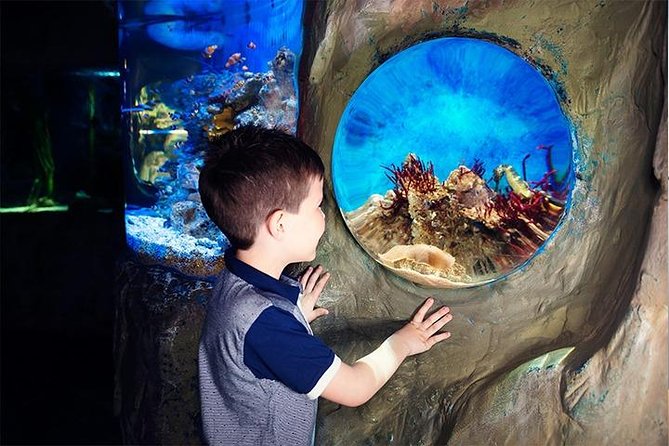
The submarine-themed section takes you toward smaller and stranger ocean creatures. You can see jellyfish, puffer fish, eels, and tangs in displays designed to suggest a trip below the surface.
Jellyfish are the stars here. Their UFO-like shapes and slow movement make them a good contrast to the quick fish in the reef tanks. Eels bring a different kind of interest, while puffer fish and tangs add variety to the displays.
The submarine setting gives this part a clear identity. It is not simply another row of tanks, and the change in presentation can help children stay engaged during the middle of the visit.
I would not judge this area by size alone. The animals here may not have the visual impact of the shark tank, but the quieter creatures often make you stop and watch. Jellyfish in particular can hold your attention longer than expected.
Entering the rainforest with frogs and piranhas
The jungle area takes you away from saltwater creatures and into a leafy rainforest setting. You can find turtles, chameleons, piranhas, poison dart frogs, and tomato frogs.
This is a useful break from the aquarium route. The habitat change keeps the visit from feeling repetitive, and it gives children several new types of animals to identify. Chameleons and frogs also encourage careful looking because they can be less obvious than a shark passing across a large tank.
Piranhas add a little drama, while turtles offer a calmer focal point. The poison dart frogs and tomato frogs are small, colorful creatures that reward a slower look. You may find this section more appealing if you enjoy spotting animals rather than only watching large species swim.
The jungle displays are still indoors and part of the same admission. That makes them helpful on a wet Blackpool day, or anytime you want a family activity that does not depend on the weather.
Watching sharks from the ocean tunnel
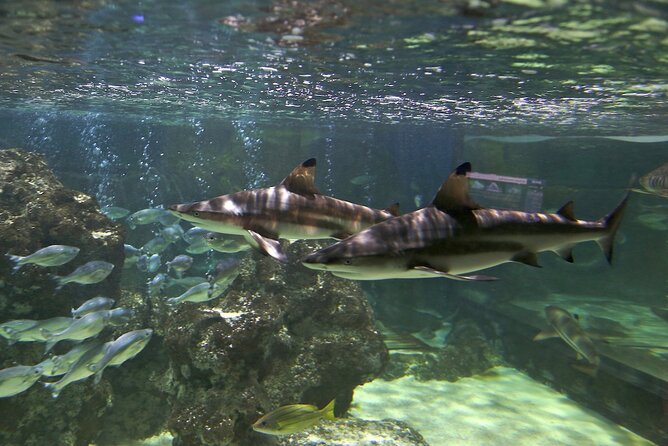
The ocean walk-through is the major finish for many people. From the tunnel, you can see black tip sharks, white tip sharks, stingrays, bowmouth guitar sharks, shovel nose sharks, nurse sharks, grouper, vampire fish, and other marine life.
The range of shark shapes is more interesting than simply seeing one large predator. Black tip and white tip sharks bring the familiar outline, while bowmouth guitar sharks and shovel nose sharks look quite different. Nurse sharks add another variation in size and form.
SEA LIFE Blackpool has bred and raised sharks for 25 years, which gives this section an added conservation and care angle. You are not only looking at a dramatic tank. You are also seeing the result of long-term work with these animals.
The tunnel makes the tank feel larger because you can view the animals from below and from the side. Stingrays glide past the sharks, while grouper and other fish fill the background. Vampire fish add another unusual detail for children who want to find something less familiar.
This is the area where the attraction’s promise of seeing ocean life without getting wet is most effective. I would save enough time to return to the tunnel if a favorite animal is hidden during your first pass.
Looking closely at the Sea Stars displays
The Sea Stars area focuses on starfish and related species. Displays include brittle stars, chocolate-knobbed starfish, common starfish, spine stars, goose-foot stars, red-knobbed starfish, and sun-stars, which can have up to twelve arms.
The variety is the point. You quickly learn that starfish are not all the same shape or color, and the close-up displays make differences easier to see. Giant windows improve visibility, while pop-up bubbles and peek-a-boo holes add a playful way for children to view the animals.
This section pairs well with the Rock Pools. At the start, you can get close to selected creatures through touch. Here, you can take a more detailed look at several star species and compare them without handling them.
For adults, Sea Stars may be one of the more informative areas because it makes a familiar seaside animal feel less ordinary. For children, the pop-up features provide a simple reason to look again.
Timing, ticket details, and who will enjoy it
Plan on about one to two hours. Your exact time will depend on how long you spend at the touch pools, the underwater tunnels, the shark tank, and the smaller displays.
The mobile ticket is convenient, especially if you are keeping your Blackpool plans on your phone. Booking ahead helps secure access and can prevent disappointment if you are visiting on a busy day.
The attraction is near public transportation, which makes it practical to add to a wider Blackpool outing. The experience requires a moderate level of physical fitness, so you should be comfortable moving through the attraction on foot for its full duration. Service animals are allowed.
The booking information lists a maximum of five travelers for the activity. Since this is an admission experience rather than a guided tour with a named leader, you are free to set your own pace inside.
Free cancellation is available if you cancel at least 24 hours before the experience start time. Cancellations made later, and changes made within that period, are not accepted for a refund. The local time at Blackpool controls the cut-off.
Should you book SEA LIFE Blackpool?
I would book this ticket if you want a family-friendly indoor activity with a strong mix of large animals, unusual smaller creatures, and hands-on elements. The shark and ray tunnels, the Rock Pools, and the seahorse displays give the visit several different highlights rather than one large tank carrying the whole experience.
It is also a sensible choice if you have only a short window. One to two hours is enough to see the main areas without turning the aquarium into an all-day commitment.
I would think twice if you want a full marine park day, a guided conservation program, or a long outdoor experience. This is a compact aquarium visit, and souvenir photos cost extra. For the listed $19.32 price, though, it offers a practical way to see more than 2,500 creatures in a dry, accessible setting. Book ahead if the timing of your day matters, then slow down at the animals that catch your eye.
FAQ
How long does SEA LIFE Blackpool take to visit?
The visit lasts approximately one to two hours, depending on how much time you spend at the touch pools, tanks, underwater tunnels, and interactive displays.
How much does admission cost?
The listed price is $19.32 per person.
What animals can I see at SEA LIFE Blackpool?
You can see more than 2,500 water-dwelling creatures, including sharks, rays, seahorses, jellyfish, eels, turtles, chameleons, piranhas, frogs, crabs, lobsters, octopus, and many types of fish.
Can I touch any of the animals?
The Rock Pools give you the chance to touch selected tropical and native creatures, including starfish, crabs, anemones, and cleaner shrimp.
Will I get wet inside the attraction?
No. The underwater tunnels let you view sharks, rays, and other sea life from close range while staying dry.
Is the ticket available on a mobile phone?
Yes. The admission ticket is supplied as a mobile ticket.
Can I cancel my booking for a refund?
Yes. You can cancel for a full refund if you cancel at least 24 hours before the experience start time. Later cancellations and changes are not accepted for a refund.
Just added around England
- Private The Beatles Taxi Tour in London★ 5.0 · 12 reviews
- Dinner and Jazz Cruise on the River Thames★ 4.0 · 140 reviews
- Airport Coach Service from Heathrow to Oxford★ 3.5 · 67 reviews
- The Alfred Hitchcock London Walk with Sandra Shevey★ 5.0 · 15 reviews
- Tower of London & 30+ London Sights Walking Tour★ 4.5 · 33 reviews
- Thames Beachcombing★ 4.5 · 100 reviews
- Ted Lasso London Taxi Tour★ 5.0 · 5 reviews
- Ted Lasso Tour of Richmond with Private Guide★ 5.0 · 25 reviews
Blackpool Tours, compared.


Show Tickets for Viva Decades Rewind! Music of the 80s, 90s & Now
Read our review →

90 Minute Family Close-Up Magic and illusionism Show in Blackpool
Read our review →

Viva Broadway Show! Celebrating the West End & Broadway
Read our review →
Browse the lists this tour appears in