
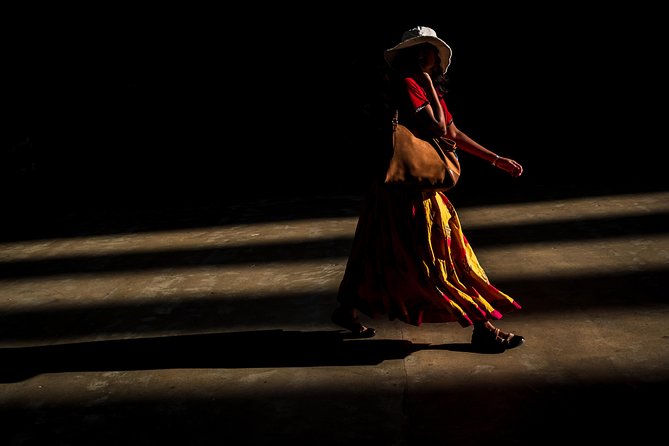
Reviewed · WORKSHOPS
London Street Photo workshop
London looks different through a camera. This three-hour workshop with Ed Fil takes you beyond postcard views and into the useful space between landmark and street life, where a passerby, a patch of light, and Tower Bridge can share one frame. You’ll work on real street scenes around London Bridge, Borough Market, the City of London, and Tate Modern.
I like the small maximum group of five, which gives Ed room to adjust his advice to your level. I also like the practical focus: you keep walking, shooting, and making decisions instead of sitting through a long camera lecture. The main consideration is price. At $123.45 per person, this is best value for someone who wants direct instruction, not simply a guided walk with photo stops.
Key points at a glance
- Practice street photography in real London conditions: Learn to use your camera while people, traffic, changing light, and landmarks compete for your attention.
- Work with Ed Fil in a group of no more than five: The small size suits both beginners and photographers with several years of experience.
- Link people with famous places: Use Tower Bridge or another London landmark as a backdrop while keeping the human moment in the foreground.
- Explore several distinct areas on foot: The route covers London Bridge, Borough Market, the City of London, and the Tate Modern area.
- Receive a complimentary 16-GB SD card: You can take your workshop images home with you.
- Start and finish at Science Gallery: The meeting point is at Great Maze Pond, London SE1 9GU.
Why this workshop is more than a photo walk
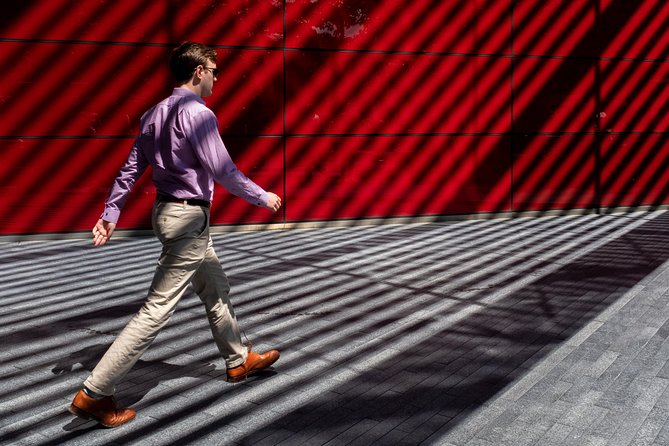
A standard London sightseeing walk asks you to look up. This workshop asks you to look around, then decide exactly what belongs in the frame. That difference matters. Street photography is not just about finding a pretty building. It is about noticing a relationship between people, place, light, timing, and composition.
Ed’s approach is built around making you more confident in a busy street setting. You’ll learn by taking pictures as you go, then refining your choices with advice on technique, light, and composition. This makes the session useful for a beginner who needs help getting started, as well as for an experienced photographer who wants a fresh way to work in London.
I especially like the way the workshop joins street photography with travel photography. A London landmark alone can produce a predictable image. Put an interesting person or passing action in front of it, and the photograph can say something about the city rather than simply identify it.
A few more London trips to weigh up
- London Traditional English Scone Making and Tea Workshop
★ 5.0 · 271 reviews - Street Art Tour and Spray Painting Workshop in London
★ 5.0 · 98 reviews - Street Art Walking Tour and Workshop in London
★ 5.0 · 58 reviews
Starting at Science Gallery near London Bridge
The workshop begins at Science Gallery, Great Maze Pond, London SE1 9GU. The activity also ends back at this meeting point, which makes the plan easier than a one-way walk that leaves you guessing where to collect your belongings or catch your next train.
From there, you’ll explore on foot. The supplied details do not give a fixed minute-by-minute route, and that is sensible for street photography. The best picture may appear on one block, not the next. Ed can respond to light, people, and what is happening in the streets instead of treating the outing like a rigid list of stops.
The location is well placed for a session built around changing urban scenes. You are near London Bridge, the City of London, the river, Borough Market, and Tate Modern. You should expect walking and repeated stops to frame, shoot, and discuss images, so comfortable footwear will make the afternoon easier.
Borough Market and London Bridge: people before postcards
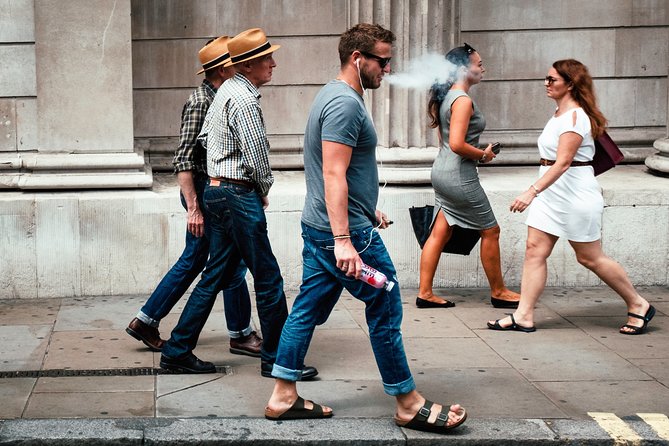
Borough Market gives the workshop a strong opening setting. It offers more than a famous London name. It gives you a chance to work with movement, faces, details, and the relationship between people and their surroundings.
For a new street photographer, this can be the hardest part of the craft. You may see an interesting moment but hesitate to lift the camera. A practical guide can help you become more assertive, while still thinking about timing and composition. The goal is not to point randomly at a crowd. It is to recognize when the pieces of a picture are coming together.
London Bridge and the nearby streets add a different kind of challenge. You may find stronger architectural lines, views toward the river, and a mix of old and modern city forms. Ed’s role is to show you how to use those elements without allowing the landmark to swallow the photograph.
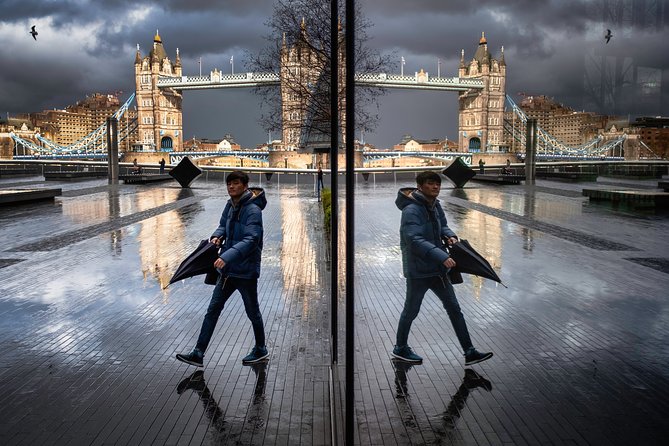
One useful exercise is to keep the main subject in the foreground and place an iconic view behind it. A person becomes the story, while Tower Bridge or another familiar London feature tells you where the story happens. This is a simple idea, but it can transform a routine holiday photograph into a picture with energy and context.
Tower Bridge as a backdrop, not the whole picture
Tower Bridge is one of London’s easiest subjects, and that is precisely why it can be difficult to photograph in an original way. Most people point their camera at the bridge and record its shape. In this workshop, you can use it as part of a larger scene.
The technique is practical. Find an interesting person, gesture, color, or passing exchange in the foreground. Keep the bridge behind it as a location marker. The result can show both the identity of London and the mood of the moment.
This is also where Ed’s local knowledge of London helps. The workshop is designed to include photo spots that you might not find on your own, including less obvious viewpoints around Borough Market, London Bridge, Tower Bridge, and the City. The point is not to avoid every famous sight. It is to photograph famous sights in a way that feels less standard.
You should keep your expectations realistic. Street scenes cannot be scheduled like museum entries. The most useful lesson may be a change in angle, a suggestion to wait, or a reminder to simplify the background. You may leave with several strong images, but the larger gain is learning how to spot those opportunities later without a guide beside you.
Same country, a completely different day out:
- Stonehenge, Windsor Castle, and Bath from London
★ 4.5 · 18,662 reviews - London Big Bus Hop-On Hop-Off Tour with Optional River Cruise
★ 3.5 · 10,803 reviews - London Small Group Tour of Historical Pubs
★ 5.0 · 10,422 reviews - Stonehenge, Windsor Castle and Bath with Pub Lunch in Lacock
★ 4.5 · 7,402 reviews
The City of London: lines, scale, and quick decisions
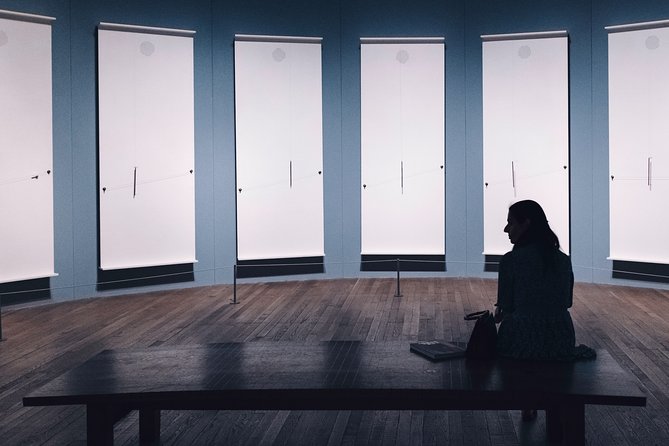
The City of London brings a different visual character to the walk. Here, the built environment can help you practice shape, perspective, and scale. Tall buildings, narrow passages, reflective surfaces, and formal streets can all become tools for composition.
This area also puts your camera skills to work in a live setting. Street photography rarely gives you unlimited time. You need to decide quickly where to stand, what to include, and when to press the shutter. Ed’s instruction focuses on using a camera in that kind of environment, rather than only taking carefully arranged pictures.
That practical element is important if you already know the basic controls but struggle to use them under pressure. The workshop can help you connect camera settings with an actual visual purpose. You are not changing settings for their own sake. You are choosing how to handle light, movement, or a busy background.
The City also provides a useful contrast with the market and river areas. Instead of relying on food stalls or a recognizable bridge, you can work with structure and atmosphere. This gives the session more range than a single-location photo walk.
Tate Modern and the river: finding a sense of place

The Tate Modern area brings you back toward the river and one of London’s best-known cultural landmarks. The setting gives you another chance to combine architecture, open views, people, and passing activity.
The value here is not simply taking a picture of the museum. You can use the building and riverside setting as a frame for human activity. Someone walking through the scene, a group pausing, or a small detail against a large structure can create a stronger travel photograph than an empty architectural record.
This is where the street and travel styles meet most clearly. You want the image to feel unmistakably like London, but you also want it to contain a moment that could not have been made anywhere else at that time. Ed’s advice on this balance is one of the most useful parts of the experience.
The itinerary involves walking between several areas, so the variety comes with a tradeoff. Three hours can pass quickly when you are stopping to shoot and discuss images. If you want a slow architectural study of every location, this may feel brisk. If you want to make many pictures and learn through repetition, the pace should suit you better.
Instruction for beginners and experienced photographers
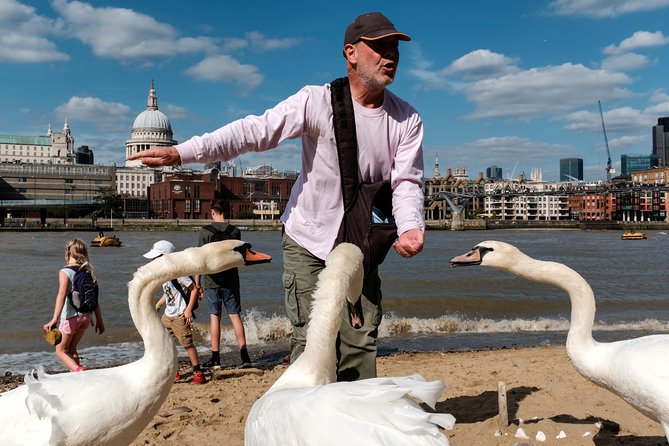
This workshop is not limited to one skill level. The information provided describes it as a way to build existing photography skills, and Ed has worked with people who were fairly inexperienced as well as photographers with several years of street work.
For beginners, useful guidance may include how to approach a scene, how to choose a subject, and how to stop waiting for a perfect picture. You get a chance to ask questions while the answer is directly in front of you, which is often easier than trying to understand a general lesson indoors.
For experienced photographers, the benefit is more likely to come from a second opinion. Ed can suggest a different position, point out a better moment, or show you how he sees a location. His calm explanations and example images on an iPad can help you test familiar habits against a different photographic point of view.
The small group matters here. With no more than five participants, you should have a better chance to receive personal feedback than on a large photo tour. It also means the group may move at a more workable pace, though the exact amount of individual attention will depend on how many people book the session.
What the $123.45 price includes
At $123.45, the workshop is not a cheap sightseeing add-on. You are paying for about three hours with a professional photographer, a small group, location guidance, hands-on practice, and advice matched to your ability.
The value is strongest if you will actively use the instruction. If you already own a camera and want to become more comfortable photographing people and city scenes, the session can give you techniques to continue using long after your London visit. It is less compelling if you only want someone to lead you to famous views while you take casual snapshots.
The complimentary 16-GB SD card is a useful extra. It gives you a physical way to take your images home, although the supplied details do not specify camera compatibility or whether the card is used during the session. You should confirm that your camera can use the card if this matters to you.
The price also buys access to Ed’s sense of place. Several locations are easy to reach on your own, but finding a good angle, timing, and subject is another matter. The workshop makes the most sense for you if that guidance is worth more than simply wandering with a camera.
Timing, group size, and practical planning
The session lasts approximately three hours and is offered in English. It is booked, on average, 24 days ahead, so I would not leave it until the last part of a London trip if the date matters to you.
You receive confirmation when you book. The activity uses a mobile ticket, and it starts and ends at Science Gallery, Great Maze Pond. It is near public transportation, which helps you fit the workshop into a day of sightseeing without arranging a separate transfer.
Service animals are allowed, and most people can participate. The experience is on foot and takes place in active city streets, so you should be comfortable walking between locations and handling your camera while moving through an urban environment.
Free cancellation is available if you cancel at least 24 hours before the local start time. Cancellations or changes made within 24 hours are not accepted for a refund. That policy gives you some flexibility, but you should keep the workshop on a firm day once you are inside that final window.
Who will get the most from Ed Fil’s workshop
I would choose this for you if you want to do more than collect familiar London landmarks. It fits especially well if you are:
- A beginner who wants patient, practical help in real streets
- A hobby photographer looking for new composition ideas
- An experienced street photographer who wants another eye on London
- A solo visitor who prefers a small, focused activity
- A photographer interested in combining people with recognizable places
- Someone who values local photo spots over a standard sightseeing route
I would think twice if you dislike walking, want a private one-to-one lesson, or prefer a carefully controlled studio setting. The group is small, but it is still a group, and the route depends on the conditions of the city. You may need to adapt rather than wait for a perfect scene.
Should you book this London photo workshop?
Book it if you want to leave London with better habits, not just more files. Ed Fil’s workshop is strongest in its personal instruction, varied walking route, and focus on making iconic London views feel connected to real street life.
At $123.45, it is a considered purchase. Beginners get a clear way into street photography, while experienced photographers can test their eye against Ed’s different approach. If you want a relaxed stroll with a few photo stops, choose something simpler. If you want three active hours of shooting, feedback, and city-based practice in a group capped at five, this is a strong choice.
FAQ
How long is the London Street Photo workshop?
The workshop lasts approximately three hours.
How much does the workshop cost?
The price is $123.45 per person.
Where does the workshop start?
It starts at Science Gallery, Great Maze Pond, London SE1 9GU, UK.
Where does the activity end?
The workshop ends back at the meeting point.
How many people can join the workshop?
The maximum group size is five travelers.
What language is the workshop offered in?
The workshop is offered in English.
Can I cancel for a full refund?
Yes. You can cancel at least 24 hours before the experience start time for a full refund. Cancellations or changes made less than 24 hours before the local start time are not accepted for a refund.
Just added around London
- Private The Beatles Taxi Tour in London★ 5.0 · 12 reviews
- Dinner and Jazz Cruise on the River Thames★ 4.0 · 140 reviews
- Airport Coach Service from Heathrow to Oxford★ 3.5 · 67 reviews
- The Alfred Hitchcock London Walk with Sandra Shevey★ 5.0 · 15 reviews
- Tower of London & 30+ London Sights Walking Tour★ 4.5 · 33 reviews
- Thames Beachcombing★ 4.5 · 100 reviews
- Ted Lasso London Taxi Tour★ 5.0 · 5 reviews
- Ted Lasso Tour of Richmond with Private Guide★ 5.0 · 25 reviews
Workshops, compared.


London Traditional English Scone Making and Tea Workshop
Read our review →

Chocolate Bar Making Workshop – York Cocoa Works
Read our review →
Browse the lists this tour appears in