
Reviewed · MUSEUMS
British Motor Museum Entry Ticket in Gaydon
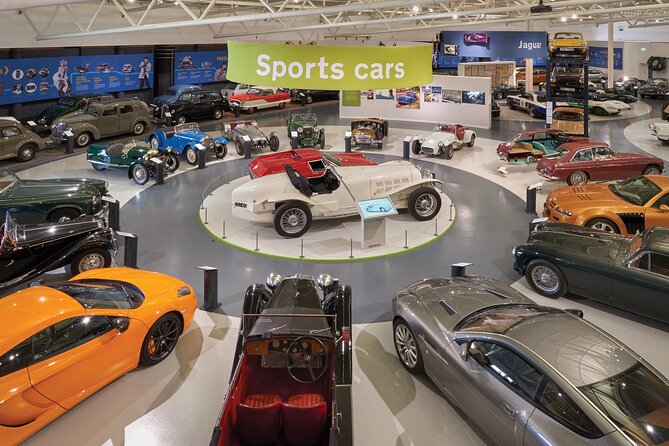
The British Motor Museum packs Britain’s motoring story into a surprisingly large visit, from familiar family cars and old Land Rovers to Jaguar masterpieces, prototypes, and famous film vehicles. You walk through the collection independently, so you can spend five minutes on a Morris Minor or half an hour on a car that catches your eye.
I like the mix of personal memories and serious design history. You may spot a car you once owned, learned to drive in, or saw on television, then turn a corner and find a rare prototype. I also like the staff and volunteers, who are happy to explain the cars rather than simply point you toward a label.
The main consideration is time. A quick visit can last about two hours, but the collection is large enough to fill four hours, especially if you read the displays, stop for lunch, or join extra activities when available.
Key points to know before you go
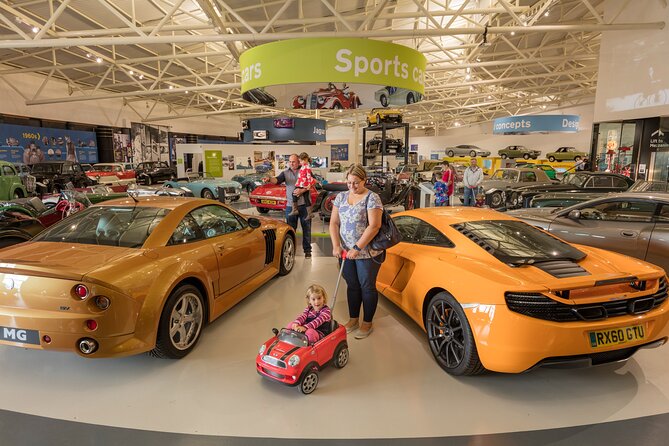
- More than a line of classic cars: Follow British motoring from early models and prototypes through production cars and later designs.
- A superb Jaguar section: Set aside extra time for the Jaguar collection, which includes especially striking cars and concept models.
- Film cars and unusual prototypes: The displays include iconic screen vehicles and experimental designs that you may not expect in a standard car museum.
- A good family visit: Children and teenagers can enjoy the visual appeal, while adults often get the added pleasure of recognizing cars from their own past.
- Friendly help on the floor: Staff and volunteers can add stories and practical detail when a display label leaves you curious.
- Plan for two to four hours: Free parking, an onsite café, and spacious buildings make it easy to turn the museum into a relaxed half-day outing.
A motoring museum with more than polished old cars
The British Motor Museum sits in Gaydon, England, and presents the world’s largest collection of historic British cars. That claim matters less as a slogan than as a promise of range. You are not coming to see one marque or one decade. You are coming to trace how British cars changed, how they were built, and how they fitted into ordinary life.
The collection works best when you allow yourself to move between the grand and the familiar. One display may feature an exotic Jaguar or a striking concept car. The next may bring back memories of an old Ford, Mini, Morris Minor, or Land Rover.
That personal connection is one of the museum’s strongest features. I like museums that explain design without forgetting the people who used the objects. Here, a car can be important because it introduced a new idea, or simply because it was once the car parked outside millions of British homes.
A few more England trips to weigh up
- Tower of London and Crown Jewels Exhibition Ticket
★ 4.5 · 6,677 reviews - Chelsea FC Stadium Tours and Museum
★ 5.0 · 1,908 reviews - Official tickets: Moco Modern & Contemporary Art Museum
★ 4.5 · 1,157 reviews
Your independent route through British motoring
This is an entry ticket rather than a tightly timed guided tour. You arrive for the stated opening time of 10:00 am and explore at your own pace. The approximate visit length is two to four hours, although your ideal timing depends on how much reading and conversation you enjoy.
The exhibits lead you through the development of the British motor industry. You can expect a mixture of prototypes, production models, and cars arranged to show how motoring changed over the decades. The displays also consider the role cars played in society, which gives the visit more purpose than a simple parade of shiny vehicles.
I would begin with a steady walk through the main displays rather than rushing toward the cars you already recognize. The museum is arranged so you can work through the collection and see the changes in shape, engineering, fashion, and public taste. Once you have the broad story, return to the sections that interest you most.
The museum occupies two buildings, according to the visitor information reflected in the experience. That makes a difference in practice. You get variety without having to walk through a cramped single room, but you should allow enough time to see both areas properly.
Jaguar, prototypes, and film cars
The Jaguar collection deserves special attention. It is one of the most praised parts of the visit, and it offers a useful change of pace from the everyday cars. You may find elegant road cars, unusual designs, and concept vehicles that show how Jaguar imagined the future.
If you have a particular interest in Jaguar, ask the staff about the collection. The team includes people who can explain the cars in detail, and one staff member in the Jaguar section has been singled out for especially useful conversations. That sort of informal exchange can make the difference between looking at a car and understanding why it matters.
The prototype displays add another layer. Production cars tell you what reached the public. Prototypes show the ideas that were tested, altered, or left behind. I like this part because it reveals the uncertain side of design. Not every clever idea became a showroom success, and that is often where the most interesting stories begin.
The film cars give the visit a lighter touch. Iconic screen vehicles help children and casual visitors connect with the collection, while dedicated car fans can enjoy spotting how a familiar vehicle was adapted for the camera. They are not the whole museum, but they break up the technical displays and add a little pop-culture fun.
Why familiar cars can be the best exhibits
You do not need to know the difference between every British engine or body style to enjoy this museum. In fact, the everyday cars may be the strongest entry point for many people.
A visitor who once owned an older Mini, Ford, Morris Minor, or Land Rover can follow a personal thread through the collection. You might see a model similar to the car your parents drove, your first car, or the vehicle you learned to repair. That recognition gives the wider motor story a human scale.
The displays also help younger visitors connect with the subject. A 13-year-old or 16-year-old who already loves cars can see the development of different models in one place, rather than studying each car in isolation. For a family, that creates easy conversation between generations. You can point out the car you remember, then let a younger companion choose the strangest one in the room.
The museum is not only for owners and restorers. The exhibition explains how cars changed over time and how they affected society. That gives non-specialists enough context to follow along, while serious enthusiasts still have plenty of unusual vehicles and fine details to examine.
Same country, a completely different day out:
- Stonehenge, Windsor Castle, and Bath from London
★ 4.5 · 18,662 reviews - London Big Bus Hop-On Hop-Off Tour with Optional River Cruise
★ 3.5 · 10,803 reviews - London Small Group Tour of Historical Pubs
★ 5.0 · 10,422 reviews - Beatles Magical Mystery Tour
★ 5.0 · 9,266 reviews
Staff who bring the displays to life
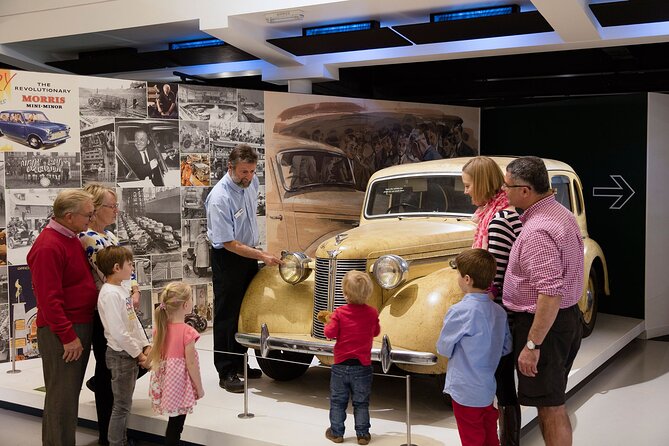
The labels provide information, but the staff and volunteers are an important part of the experience. They are available to answer questions and help explain what you are seeing. I appreciate that this support is offered without forcing you into a set route or lecture.
If a particular car puzzles you, ask. The staff can often explain its place in British motoring, its design, or the reason it belongs in the collection. Their enthusiasm is especially useful around the Jaguar displays and the workshop area.
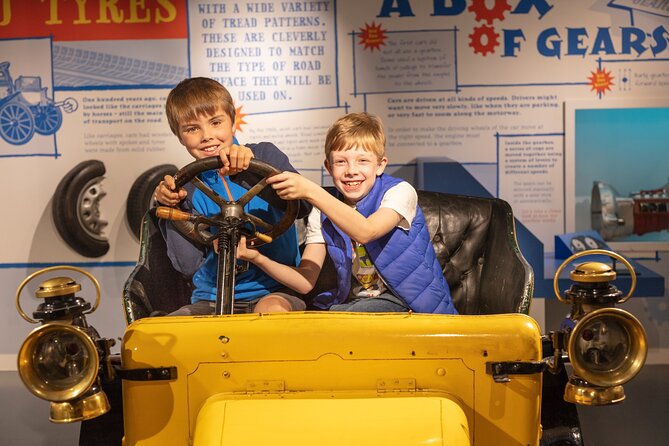
Some guided activity may be available during your visit. One guide named Jim has received special praise for his knowledge of the cars, amusing stories, and ability to bring the displays to life. A guided experience with him has included access to sit in or on some vehicles under supervision, but you should not assume that this is part of every standard entry visit.
That distinction is worth making. The ticket described here is for independent admission. You can still benefit from conversations with the team, but a named guide or special access may depend on what is running on the day.
The workshop and special displays
The workshop adds a practical side to the museum. It gives you a chance to see more than finished cars behind barriers. For anyone who restores classic vehicles, it may be one of the most useful parts of the visit, since the displays connect the finished object with the work needed to preserve it.
The museum also hosts special events from time to time. A Morris Minor event and a Jaguar weekend have taken place at the site, giving visitors the chance to see additional cars or themed displays. These events are not guaranteed with your ticket, but they show why a return visit can feel different from the first.
If an event happens to coincide with your visit, expect a busier and more focused atmosphere around that subject. That may be a bonus for a dedicated enthusiast, while someone wanting a quiet museum visit may prefer to check what is scheduled before booking.
How long should you allow?
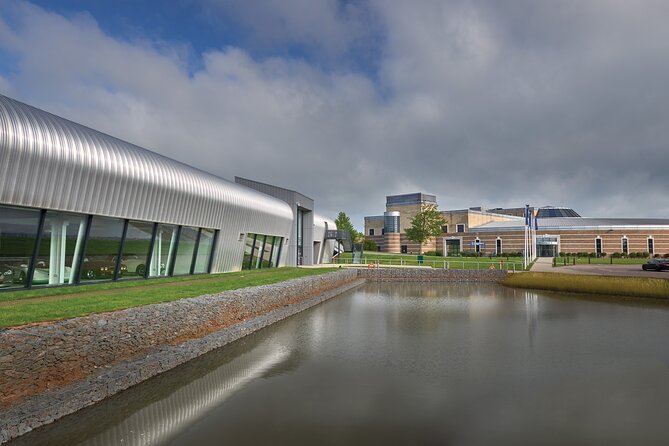
The official estimate is two to four hours. I would treat two hours as a brisk but worthwhile visit, and four hours as a comfortable half-day for anyone who reads the labels, asks questions, or stops for food.
A sensible plan looks like this:
- Allow around two hours if you want the main displays and a few favorite sections.
- Allow three hours if you want to see both buildings at a relaxed pace.
- Allow four hours if you are a serious car fan, want workshop time, enjoy detailed labels, or plan to eat at the café.
The museum is described as spacious, warm, clean, and easy to move around. That matters when you are visiting with an older relative or a child who needs breaks. The seating and café also let you reset without ending the visit early.
Do not judge the museum by the first hour. The collection becomes more rewarding as you notice links between the cars. A simple family model may explain a change in public life, while a glamorous prototype shows what designers hoped would come next.
Food, parking, and the practical side
The site has plentiful parking, and parking is free. That makes the museum easier to reach by car and removes one extra cost from the day. The location is a little off the main tourist path, but it is described as easy to find.
The onsite café serves hot and cold meals, snacks, and drinks. Food quality has been praised, along with cakes and seasonal items such as mince pies. I would see the café as a useful part of the visit rather than an emergency stop. A break there can make a longer museum session more comfortable.
Toilets and the wider site have also been described as clean and well maintained. Service animals are allowed, and most people can take part. The available information does not give detailed measurements for every area, so if you have specific access needs, contact the museum before setting out.
The mobile ticket keeps arrival simple. Confirmation is provided at booking, and the ticket is offered in English. The ticket price is about $24.95 per person, which is fair if you use the full two to four hours and care about cars, design, or social history.
For a very quick visit, the value is less convincing. If you only want to photograph a few famous cars, you may not feel you have used the admission fully. If you enjoy classic vehicles and take time with the displays, the price compares well with a half-day attraction, especially with free parking and food available onsite.
Who will enjoy this most?
I would recommend the museum first to car enthusiasts, classic-car owners, restorers, and anyone with a strong interest in British industry. The Jaguar collection, workshop, prototypes, and broad range of production cars give serious fans plenty to study.
It also works very well for families. Adults can revisit cars from their own past, while children and teenagers get striking shapes, film vehicles, and plenty of variety. You do not need to make a formal lesson of the visit. A simple question such as which car would you choose can keep younger visitors involved.
The museum suits couples and mixed-interest groups better than a narrow specialist collection would. One person can focus on engineering, another on design, and another on the cars linked to films or family memories.
The least suitable visitor is someone looking for a short, highly interactive attraction with constant hands-on activities. This is mainly a museum of vehicles, displays, labels, and conversations with staff. Its appeal comes from looking closely and making connections, not from fast-moving entertainment.
Is the British Motor Museum worth booking?
Yes, if you have even a moderate interest in cars or British social history. The large range of vehicles means you are unlikely to run out of things to see, and the mix of famous, ordinary, experimental, and screen-used cars keeps the visit from feeling narrow.
Book it if you can spare at least two hours, and preferably three. Give yourself extra time for the Jaguar displays, the workshop, the café, and any special event taking place that day.
The $24.95 admission is strongest value for enthusiasts and families who will take their time. If you are unsure, ask yourself whether you enjoy old cars, design, family memories, or industrial history. If the answer is yes to any two, this is a sensible stop in Gaydon. Free cancellation is available up to 24 hours before the 10:00 am start time, which gives you some flexibility if your plans change.
FAQ
Where is the British Motor Museum?
The museum is in Gaydon, England.
How long does a visit take?
The expected visit lasts approximately two to four hours.
What time does the experience start?
The stated start time is 10:00 am.
Is the ticket mobile?
Yes. The experience provides a mobile ticket, and confirmation is received at the time of booking.
What can I see at the museum?
You can see the world’s largest collection of historic British cars, including cars from different decades, prototypes, production models, Jaguar vehicles, and iconic film cars.
Is there food at the museum?
Yes. The onsite café serves hot and cold meals, snacks, and drinks.
Can I cancel for a refund?
Yes. You can cancel at least 24 hours before the experience start time for a full refund. Cancellations or changes made less than 24 hours before the start are not accepted for a refund.
Just added around England
- Private The Beatles Taxi Tour in London★ 5.0 · 12 reviews
- Dinner and Jazz Cruise on the River Thames★ 4.0 · 140 reviews
- Airport Coach Service from Heathrow to Oxford★ 3.5 · 67 reviews
- The Alfred Hitchcock London Walk with Sandra Shevey★ 5.0 · 15 reviews
- Thames Beachcombing★ 4.5 · 100 reviews
- Tower of London & 30+ London Sights Walking Tour★ 4.5 · 33 reviews
- Ted Lasso London Taxi Tour★ 5.0 · 5 reviews
- Ted Lasso Tour of Richmond with Private Guide★ 5.0 · 25 reviews
Museums, compared.

Tower of London and Crown Jewels Exhibition Ticket
Read our review →

Official tickets: Moco Modern & Contemporary Art Museum
Read our review →
British Museum London Guided Tour Semi-Private 8ppl Max
Read our review →
The British Museum London – Exclusive Guided Museum Tour
Read our review →


Skip the Line: Liverpool Beatles Museum – The perfect tribute to the Beatles
Read our review →Browse the lists this tour appears in