
Reviewed · MUSEUMS
Lakeland Motor Museum Entry Ticket
The Bluebird exhibition is the kind of display that can stop you in your tracks. Seeing the size of Donald Campbell’s famous car puts speed records into physical form, rather than leaving them as a name in a book. Around it, the museum follows motoring through social life, so this is more than a row of polished vehicles.
I like the sheer range, from 140 classic cars and motorbikes to bicycles and smaller objects among roughly 30,000 exhibits. I also like the practical setting near the southern tip of Lake Windermere, with free parking and a riverside cafe. The main consideration is simple: if you only want a small collection of rare sports cars, the social-history displays may feel broader than expected.
Key points to know before you go
- Bluebird gives the museum its biggest wow moment: Donald Campbell’s car is large enough to make the display feel physical and dramatic.
- The collection reaches well beyond cars: Motorbikes, bicycles, rarities, and everyday motoring objects help explain how transport shaped ordinary life.
- You can visit in any weather: The museum is an indoor attraction open seven days a week.
- The setting works well with a Lake District day: It sits in the Leven Valley, close to Lake Windermere’s southern tip.
- Free parking improves the value: Your admission covers the museum, while food and drink cost extra at Cafe Ambio.
- Families and mixed-interest groups have options: The collection offers machines, memories, design, and social context rather than just technical detail.
What the Lakeland Motor Museum actually offers
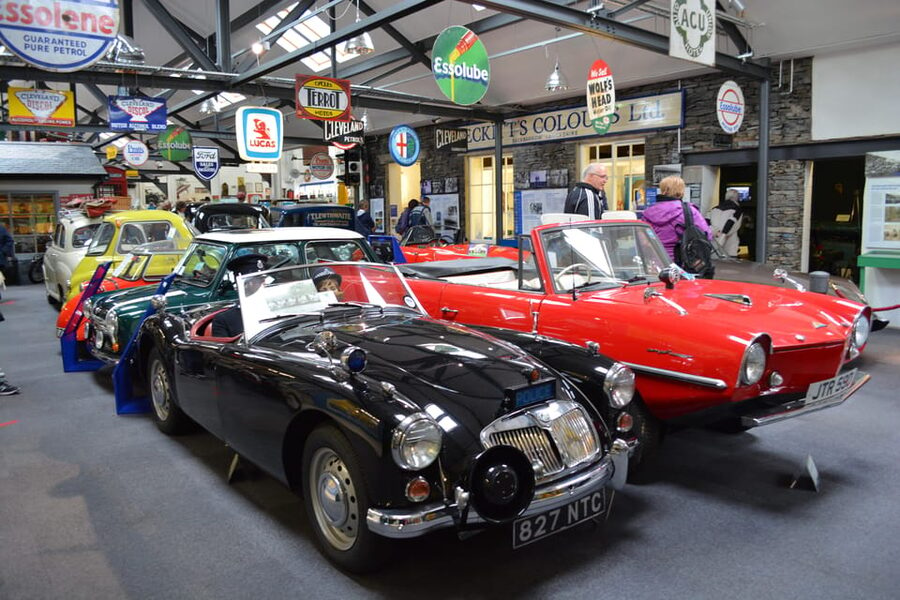
At first glance, the museum may look modest from outside. That impression can be misleading. Inside, the collection spreads across a large range of motoring material, with roughly 30,000 exhibits and around 140 classic cars and motorbikes.
You should think of this as a transport museum with a social angle. The cars matter, of course, but the surrounding objects help connect them to daily routines, changing tastes, work, travel, and popular memory. That makes the visit easier to enjoy with someone who is not already able to identify every engine or badge.
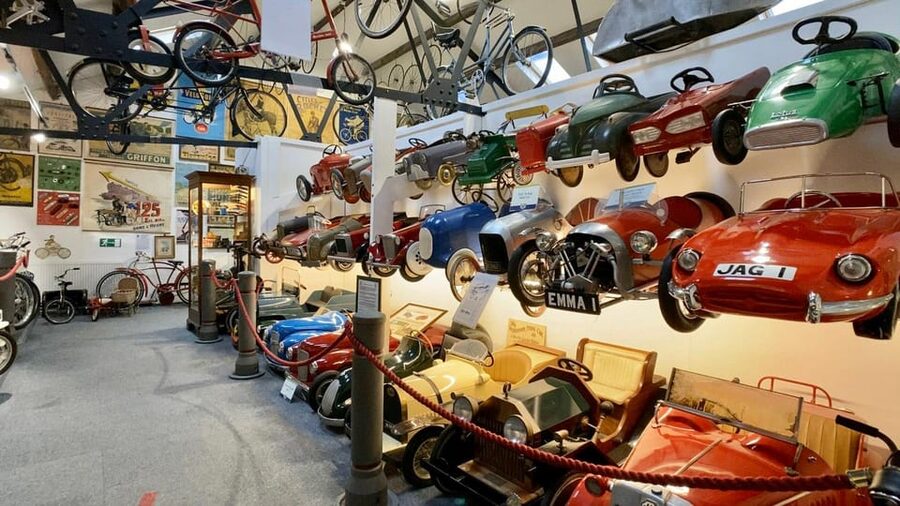
The displays include bicycles as well as cars and motorcycles. That broader mix matters because it gives the museum a more complete view of personal transport. You are not simply moving from one expensive vehicle to the next. You might find ordinary, familiar objects beside more unusual machines, which gives the collection a human scale.
The museum is open seven days a week, and the ticket is valid for one day. That gives you useful flexibility in the Lake District, where rain can change your plans quickly. You can make this a main outing or use it as a reliable indoor stop when outdoor sightseeing loses its appeal.
A few more Lake District trips to weigh up
- Tower of London and Crown Jewels Exhibition Ticket
★ 4.5 · 6,677 reviews - Chelsea FC Stadium Tours and Museum
★ 5.0 · 1,908 reviews - Official tickets: Moco Modern & Contemporary Art Museum
★ 4.5 · 1,157 reviews
The Bluebird display and Donald Campbell’s record car
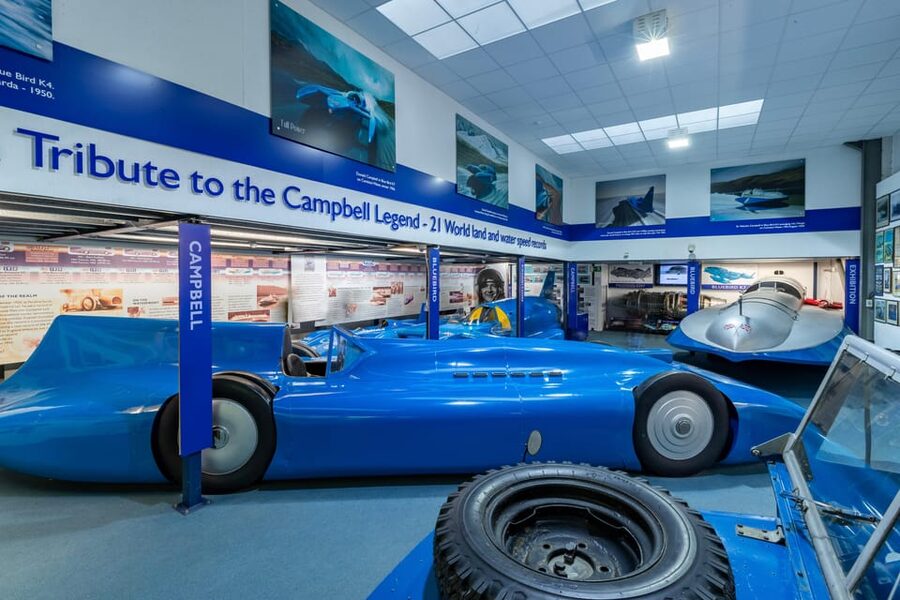
The Bluebird exhibition is the clear centerpiece for many people. The size of Donald Campbell’s car provides the first surprise. Photographs can make a record-breaking vehicle seem sleek and distant, but standing near it gives you a better sense of the engineering challenge and the amount of machinery involved.
You do not need to be a motor-racing enthusiast to appreciate the display. Scale does much of the work. The car’s presence helps explain why land and water speed records captured public attention, and why Campbell remains such a familiar name in British motoring culture.
This is also one of the strongest stops for children. A large, striking vehicle creates an immediate point of interest, even for young visitors who may not want to read every panel. Adults can then add the context, discussing speed, risk, design, and the public fascination with record attempts.
Allow time here rather than treating Bluebird as a quick photograph. The rest of the museum is broad, but this exhibition gives the visit a clear anchor. If you have limited time, start with Bluebird, then work through the wider collection.
Classic cars, motorbikes, bicycles, and everyday memories
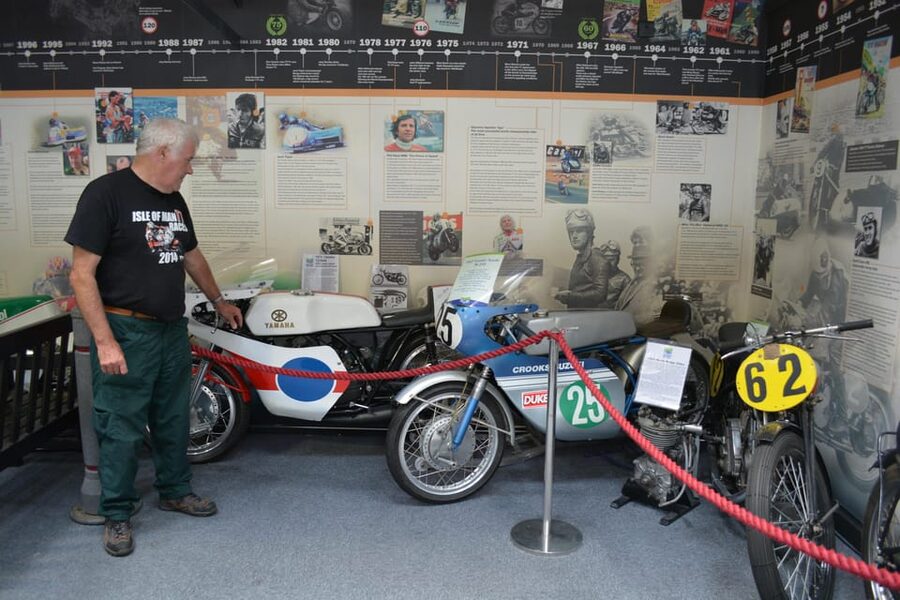
The museum’s 140 classic cars and motorbikes provide plenty for dedicated enthusiasts. You will find the familiar pleasure of comparing shapes, colors, details, and design changes across different periods. Even if you cannot name every model, the collection gives you a visual record of how ideas about speed, comfort, status, and style changed.
The best part is the range of memories the vehicles can trigger. One car may recall a family holiday, another a first driving lesson, and a third a vehicle once seen on the road every day. That personal connection is one reason the museum feels less like a cold technical hall.
Motorbikes add a different mood. They are smaller, more exposed, and often more visually direct than cars. Their displays can appeal to visitors who are interested in mechanical design but do not want to spend a full day studying automobiles.
Bicycles widen the appeal again. Their inclusion shows how the museum treats transport as part of daily life, not just as a parade of high-performance machines. The result is a collection with enough variety to keep a mixed group moving.
The museum also includes rarities. I would not plan a visit around a particular rare model unless you have confirmed its current display, since collections can change. But the presence of unusual pieces adds a sense of discovery as you move through the rooms.
Why the social context makes the collection better
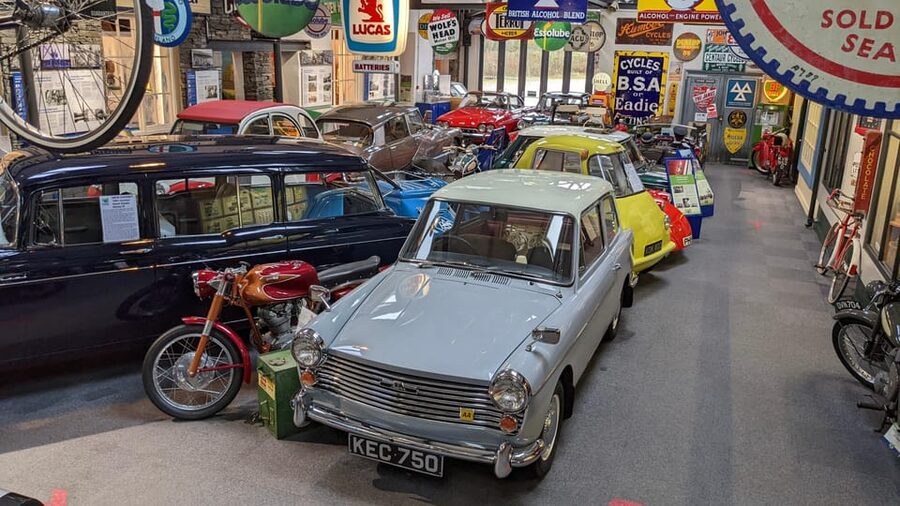
A museum full of cars can become repetitive. Even beautiful vehicles lose some effect when they are presented as isolated objects with no explanation of why they mattered.
Here, the displays are placed in a wider social context. That gives you a better way to read the collection. A vehicle can represent a shift in family life, changing leisure habits, new mobility, or an idea of modernity. It becomes part of a story about people, not just a machine under lights.
This approach is useful if your group includes different types of museum visitors. A serious enthusiast can focus on the vehicles, while someone else can look at the social memories and historical setting. You do not have to share the same level of technical interest to find something worthwhile.
It also gives the museum a warmer character. The displays are designed to awaken memories, so the visit can feel personal even when you know little about motoring. That is a major reason I would choose this museum over a collection focused only on rare or costly cars.
Same country, a completely different day out:
- Mountain Goat Full Day Tour: Ten Lakes Tour of the Lake District
★ 5.0 · 1,717 reviews - Beatrix Potter’s Half Day Lake District Tour Including Lake Cruise
★ 4.5 · 334 reviews - High Adventure Mountain Passes & Muncaster Castle from Windermere
★ 5.0 · 296 reviews - Ghyll Scrambling Water Adventure in the Lake District
★ 5.0 · 283 reviews
Making the most of a one-day visit
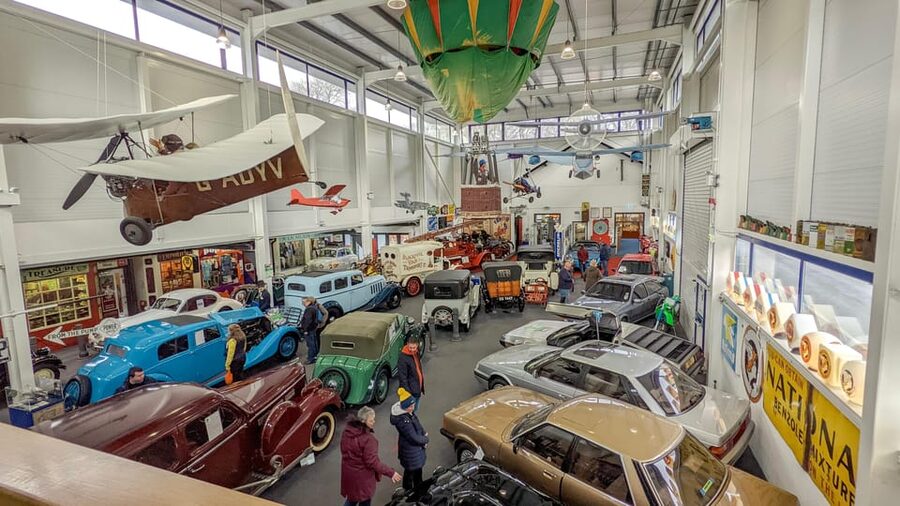
Your ticket allows one full day, but you do not need to treat that as a command to stay from opening until closing. The right amount of time depends on how closely you read displays and how many people are with you.
For a quick visit, begin with Bluebird and then concentrate on the classic cars and motorbikes. This gives you the museum’s most visually powerful material first. If you have more time, slow down for the bicycles, rarities, and social displays.
A full visit works best when you avoid rushing from exhibit to exhibit. The collection is large, and the number of objects can become tiring if you try to absorb everything. Pick out the vehicles that catch your eye, then use the surrounding material to understand why they belong in the museum.
The one-day validity is helpful for a relaxed schedule. You can take a break at Cafe Ambio, then return to the displays if your plans and the museum’s arrangements allow it. Since the supplied information confirms the ticket is valid for one day, check the venue’s current entry arrangements before assuming re-entry rules.
The Leven Valley setting and Lake Windermere connection
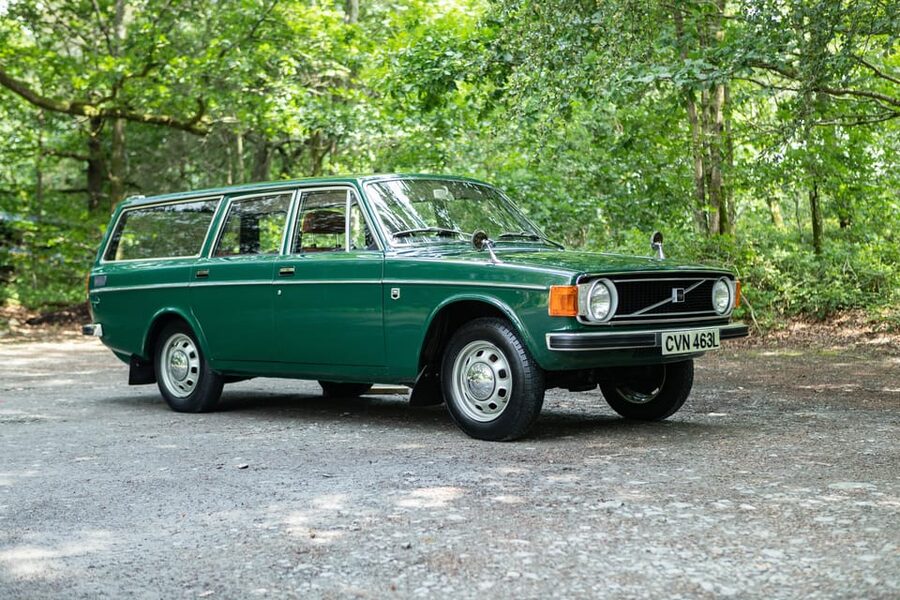
The museum sits in the Leven Valley, close to the southern tip of Lake Windermere. That location makes it easy to pair with a wider day in the Lake District, especially if you are already exploring the lake or nearby Cumbria.
Do not confuse the museum with a lakeside boat attraction. Its setting is scenic, but the main experience is indoors and focused on transport. The value of the location is convenience: you get a weather-proof cultural stop without giving up the chance to enjoy the surrounding area before or after your visit.
The nearby scenery also helps break up a museum-heavy day. You can plan the museum as the dependable part of your schedule, then add outdoor time when conditions are good. On wet days, the museum can become the main event rather than a backup plan.
Free parking is included, which is especially useful in a popular holiday area. You avoid adding a separate parking charge to the ticket price, and you can arrive by car without arranging another transfer. The supplied information does not give public transport details, so drivers have the clearest practical advantage.
Cafe Ambio and the gift shop
Cafe Ambio sits beside the museum in a riverside setting. Food and drink are not included in the $16 admission price, so budget separately if you plan to eat there.
The cafe gives you a natural pause during a longer visit. That matters because the collection is large, and a short break can make the second half more enjoyable. The riverside position also adds something different from the indoor displays, especially when the weather is pleasant.
The gift shop is described as a strong place to find presents. That makes it useful for families and for anyone looking for a motoring-related souvenir without committing to another attraction. You should still treat purchases as optional extras, since they are not part of admission.
The combination of museum, cafe, and shop means you can build a simple half-day outing without needing to search for another stop nearby. If you plan to spend a full day, check current cafe hours separately, as the ticket information does not provide them.
Is $16 good value?
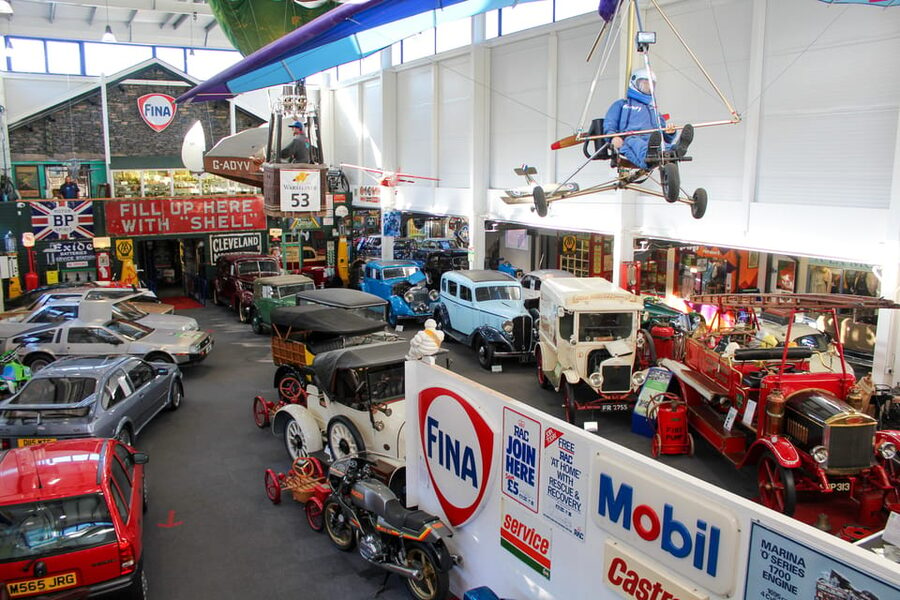
At $16 per person, the ticket offers solid value if you have even a moderate interest in cars, motorcycles, bicycles, or British transport culture. The collection is large, the ticket covers a full day, and parking is free. Those details reduce the hidden costs that can make a museum visit feel expensive.
The value is strongest for a family or group with mixed interests. One person can focus on classic vehicles, another can enjoy Bluebird, and someone else can spend time with the social displays. A smaller specialist collection might offer greater depth in one narrow subject, but this museum gives you more variety for the admission price.
Food and drink are extra, and the gift shop is optional. Build those costs into your day if you want to use Cafe Ambio or buy presents. Even so, the admission itself compares well with the amount of material available.
I would be less certain about the value for someone who has no interest in transport and wants only a general Lake District attraction. The museum’s appeal depends on enjoying objects, machines, memories, or design. The social context helps, but it does not change the subject.
Who should visit Lakeland Motor Museum?
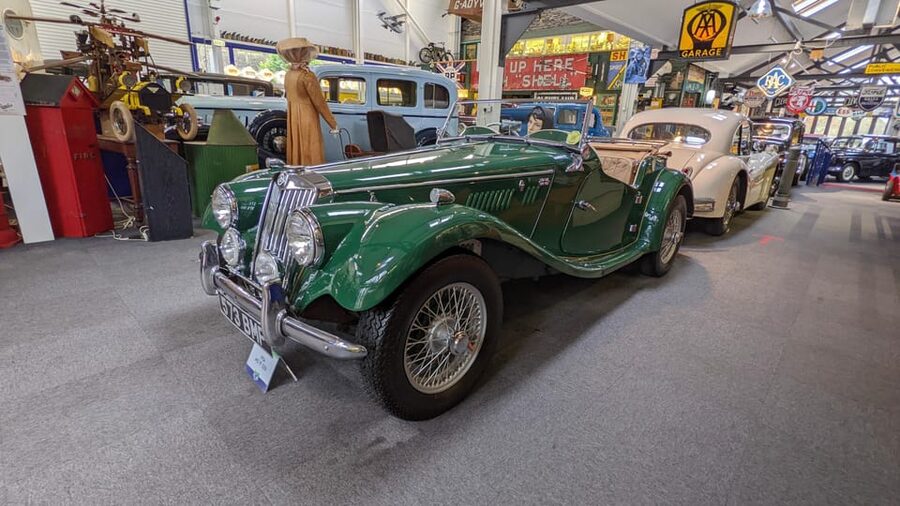
I would recommend it to classic-car fans, motorcycle enthusiasts, families, history-minded visitors, and anyone needing a reliable indoor activity near Lake Windermere.
It also suits couples or groups who rarely agree on attractions. The displays are varied enough to let you follow your own interests, while Bluebird gives the visit a shared focal point. Children may respond best to the large vehicles and striking shapes, while adults are more likely to appreciate the memories and social background.
The museum is wheelchair accessible, making it a practical choice for visitors who need an accessible venue. The supplied information does not give detailed guidance on paths, seating, toilets, or specific exhibit access, so contact the museum directly if you need those details.
Because the museum is open seven days a week, it can fit around changing Lake District plans. I would keep it in mind for a rainy day, but it is not merely a fallback. The collection has enough variety to earn a planned visit in its own right.
Booking flexibility and useful practical details
You can cancel up to 24 hours in advance for a full refund, according to the ticket conditions. You can also reserve now and pay later, which helps if your Lake District schedule depends on weather.
The ticket is valid for one day, and availability should be checked for current starting times. No guide names are provided, and the information describes a museum visit rather than a guided tour, so plan for a self-directed experience.
Entry and free parking are included. Food and drink are not included, and purchases at the gift shop are separate. The museum is open seven days a week and is wheelchair accessible.
Should you book the Lakeland Motor Museum?
Book it if you want a substantial indoor attraction with classic cars, motorbikes, bicycles, Bluebird, and a clear connection to everyday life. The $16 price is reasonable for a one-day visit, especially with free parking and the option of a riverside cafe break.
I would make Bluebird your first stop, then give yourself time to explore the wider collection. Skip it only if your group has no interest in vehicles or museum displays, or if you are looking for a purely outdoor Lake District experience.
For most visitors with a free half-day near southern Lake Windermere, this is an easy, weather-proof choice with enough variety to justify the stop.
FAQ
Where is Lakeland Motor Museum located?
Lakeland Motor Museum is in Cumbria, in the Leven Valley near the southern tip of Lake Windermere.
How much does admission cost?
The listed price is $16 per person.
How long is the ticket valid?
The ticket is valid for one day.
Is parking included?
Yes. Free parking is included with museum entry.
What does the museum collection include?
The collection has around 30,000 exhibits, including 140 classic cars and motorbikes, bicycles, and other motoring-related rarities.
Is the Bluebird exhibition at the museum?
Yes. The museum has a Bluebird exhibition featuring Donald Campbell’s large record car.
Are food and drinks included?
No. Food and drinks are not included in the admission ticket. Cafe Ambio is located beside the museum.
Is the museum wheelchair accessible?
Yes. The museum is wheelchair accessible.
Can I cancel my booking?
Yes. You can cancel up to 24 hours in advance for a full refund. You can also reserve now and pay later, according to the ticket conditions.
Just added around Lake District
- Northern Lake District: Self Guided Walking Tour of Keswick★ 5.0 · 4 reviews
- The Beatrix Potter And Peter Rabbit Private Tour★ 5.0 · 4 reviews
- 3-Hours Via Ferrata Experience in Keswick★ 5.0 · 33 reviews
- Rock Climbing in Keswick★ 5.0 · 18 reviews
- Paddle Boarding on Derwent Water★ 5.0 · 62 reviews
- Mountain Goat Full Day Tour: Ten Lakes from Oxenholme★ 5.0 · 46 reviews
- High Adventure: Mountain Passes & Muncaster Castle from Oxenholme★ 5.0 · 9 reviews
- Climb in the Mine★ 5.0 · 7 reviews
Museums, compared.
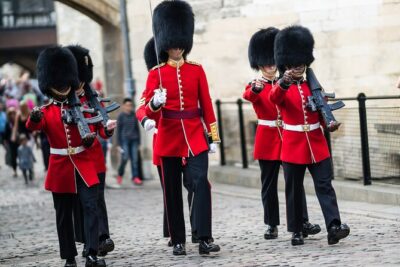
Tower of London and Crown Jewels Exhibition Ticket
Read our review →
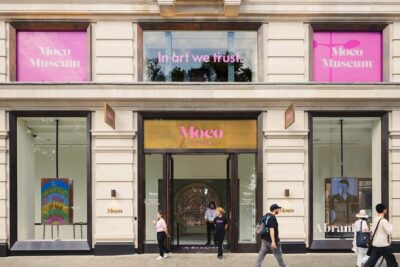
Official tickets: Moco Modern & Contemporary Art Museum
Read our review →
British Museum London Guided Tour Semi-Private 8ppl Max
Read our review →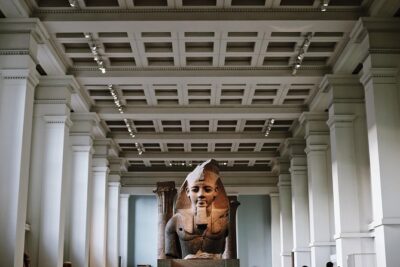
The British Museum London – Exclusive Guided Museum Tour
Read our review →


Skip the Line: Liverpool Beatles Museum – The perfect tribute to the Beatles
Read our review →Browse the lists this tour appears in