
Reviewed · MUSEUMS
London Transport Museum One Day Ticket
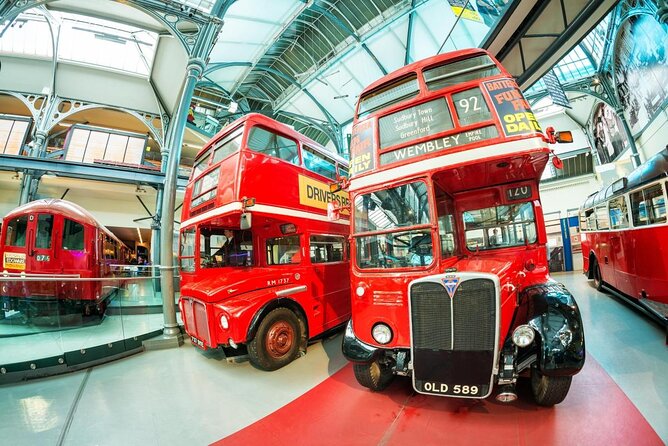
London’s transport story is parked inside a former Covent Garden flower market, where red double-deckers, black cabs, trams, and early Underground trains turn a museum visit into a walk through the city’s past. I like the restored vehicles and the way the museum links transport to London’s growth. I also like the hands-on All Aboard playzone, which gives younger children a reason to stay interested.
The main caution is noise and crowding during school breaks. The museum can also feel a little confusing at first, with several floors and displays competing for your attention. At $33.76 per person, this is best value when you plan to spend a good part of the day here, rather than rushing through in the advertised two hours.
Key points at a glance
- Former Covent Garden flower market: See London’s transport collection in a central, characterful setting.
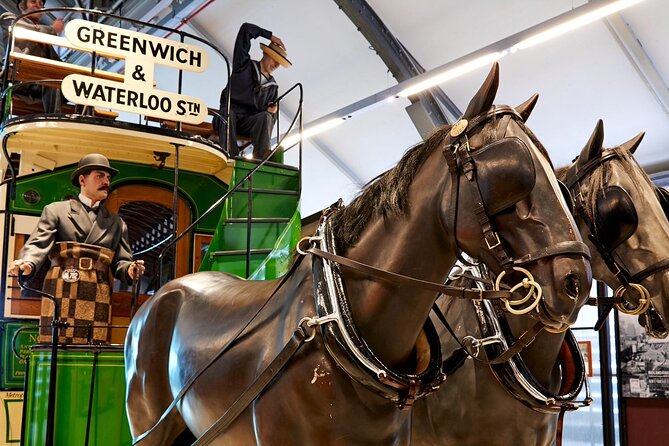
- Two centuries of city travel: Follow the change from horse-drawn buses to steam trains, electric trains, buses, trams, and the Tube.
- All Aboard playzone: Children can take on roles such as driver, conductor, or mechanic.
- Flexible time inside: Your ticket gives admission, and you can explore at your own pace rather than follow a guided group.
- Strong family appeal: Interactive displays, vehicles you can board, and stamping activities work especially well for children around ages 6 to 10.
- Central Covent Garden location: Pair the museum with the Piazza and nearby West End sights.
Why London’s transport story works so well in one museum
London’s public transport is more than a way to get from one sight to another. It helped the city expand, brought workers into central districts, and gave London some of its most familiar symbols. This museum makes that story visible through actual vehicles and practical objects.
You begin with older forms of travel, including 18th-century horse-drawn buses, then move toward the underground railway that changed the shape of the city. The progression gives you useful context. The Tube did not simply make journeys quicker. It allowed London to spread farther from its old center.
I especially like that the museum does not limit itself to Underground trains. You also get classic buses, trams, black cabs, posters, maps, and smaller transport details. If you know London mainly through its red buses and roundel signs, this visit explains how those familiar images developed.
The exhibits use restored vehicles, written displays, and interactive features. Some areas are aimed at adults who want facts and old photographs. Others invite you to touch, climb aboard, or try a transport-themed task. That mix is the reason this works for families with different interests.
A few more London trips to weigh up
- Tower of London and Crown Jewels Exhibition Ticket
★ 4.5 · 6,677 reviews - Chelsea FC Stadium Tours and Museum
★ 5.0 · 1,908 reviews - Official tickets: Moco Modern & Contemporary Art Museum
★ 4.5 · 1,157 reviews
Seeing the vehicles inside the old flower market
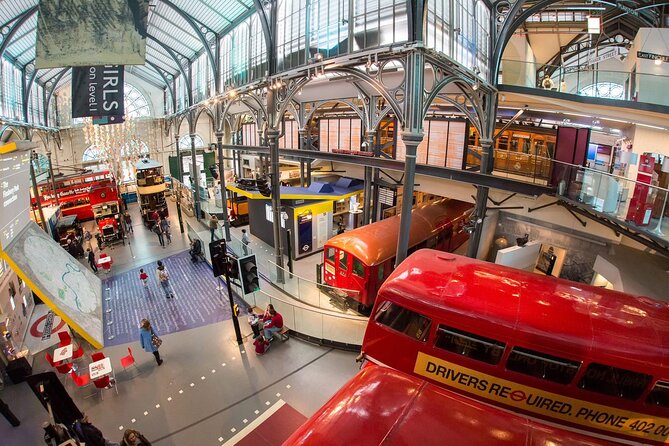
The setting adds to the visit. The museum occupies a refurbished old flower market in The Piazza, Covent Garden, so you are not entering a plain modern box. The building gives the collection a strong London identity before you even reach the first vehicle.
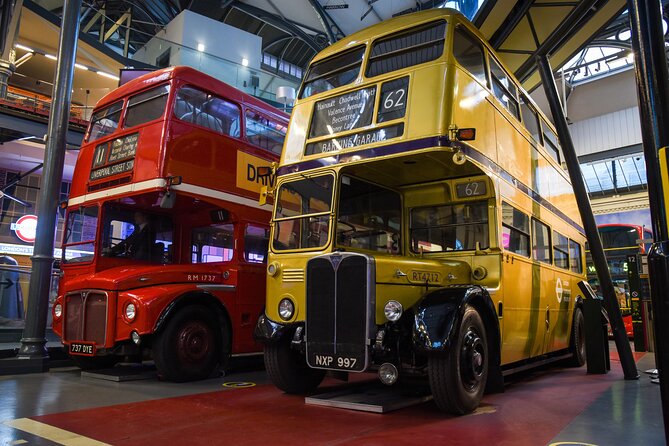
The large exhibits make the quickest impression. You can see buses, trams, and Underground trains at close range, rather than viewing small models behind glass. Refurbished vehicles show how passengers and staff used the systems, while colorful posters and signs recall the look of earlier London.
I would allow time to look above and around the vehicles, not just at them. Transport design includes more than engines and wheels. Seating, doors, route signs, ticketing, and the shape of a driver’s cab all show how public travel changed over time.
The layout may not feel perfectly obvious on your first pass. One floor can lead naturally into another, while another display may seem easy to miss. I suggest taking a moment to understand the route before focusing on individual exhibits. If you have children, decide early which interactive areas you want to revisit, since they can easily absorb more time than expected.
From horse buses to the first Underground trains
The museum’s transport sequence covers roughly 200 years of London development. The early horse-drawn buses help explain the beginnings of organized city travel. They also show how limited movement was before the city had a proper underground network.
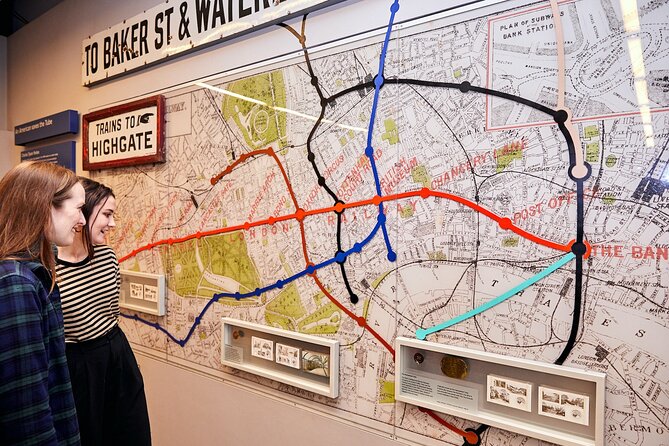
The first Underground steam and electric trains are among the most important objects here. They represent a major change in urban travel, and the museum places them within the wider story of London rather than treating them as isolated curiosities.
Steam trains and electric trains also help you understand why the Underground had to change. Early systems faced different technical demands from later electric routes, and the vehicles show how engineering shaped daily travel. You do not need to be a railway enthusiast to appreciate the scale of that change.
Look for the iconic Tube map as part of this story. It is one of London’s most recognizable pieces of design, and the museum shows how transport information became part of the city’s visual identity. The map is not just a guide for passengers. It helped people understand a large and complicated network.
The museum also covers the role of transport during wartime. The written material is in English, so readers who are not comfortable with English may get more from the vehicles and visual displays than from every panel. Still, the wartime material adds useful background to the ordinary systems Londoners depended on.
The All Aboard playzone for younger children
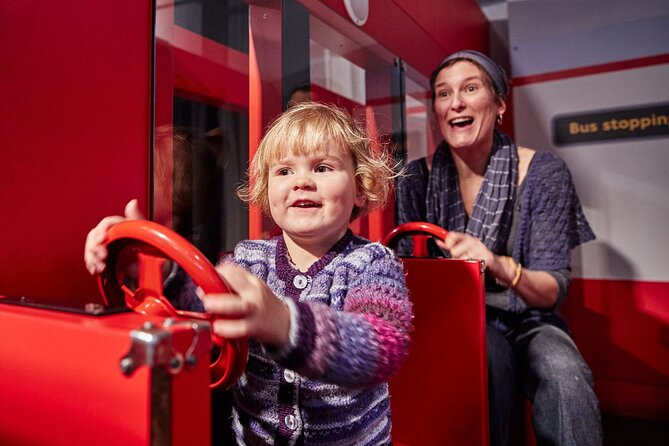
For families, the All Aboard area can determine whether the museum feels like a good use of time. Here, children can act as conductors, mechanics, or drivers on interactive vehicles. That gives them a job to do, instead of asking them to stand quietly beside exhibits.
The play elements are particularly well suited to children in the 6 to 10 age range. Younger children can enjoy the movement and role play, while older children may take more interest in how the systems work. The museum also includes stamping activities, and the simple act of collecting marks can help a child focus on the route through the building.
I like the way these activities connect to the real exhibits. A child who has pretended to drive or repair a vehicle may pay closer attention to the full-size bus or train nearby. The museum turns transport into something they can act out, not just something they read about.
There are also vehicles you can get onto, which gives the visit a physical sense of place. Children can ask practical questions about where people sat, how drivers worked, and how passengers entered or exited. Those questions often make the transport story easier to remember.
The downside is that these popular features can make school holiday visits loud. If you want time with the written displays, plan around the busiest family periods if possible. The museum is family-friendly, but that also means it may not be a quiet place for close reading.
Same country, a completely different day out:
- Stonehenge, Windsor Castle, and Bath from London
★ 4.5 · 18,662 reviews - London Big Bus Hop-On Hop-Off Tour with Optional River Cruise
★ 3.5 · 10,803 reviews - London Small Group Tour of Historical Pubs
★ 5.0 · 10,422 reviews - Stonehenge, Windsor Castle and Bath with Pub Lunch in Lacock
★ 4.5 · 7,402 reviews
How long to spend and how to plan the visit

The experience is described as taking about two hours, but your ticket allows you to explore at your own pace and spend longer inside. I would treat two hours as a sensible first visit, not a strict limit.
Two hours is enough for a focused look at the main vehicles, the Tube story, and some family activities. If you want to read the displays carefully, let children play, browse the shop, and take a break at the cafe-bar, you may need more time.
A useful approach is to divide the visit into three parts:
- Start with the main transport sequence and the oldest vehicles.
- Give children time in All Aboard and on the interactive exhibits.
- Finish with the remaining displays, Canteen, and the shop.
This order helps you see the museum’s central story before playtime takes over. If you are visiting with adults only, you can spend more time on posters, vehicle design, the Underground, and the development of the Tube map.
The ticket has multiple time slots, which helps you fit the museum around other Covent Garden plans. Since it is booked about 10 days ahead on average, a little advance planning is sensible, especially for a family trip or a fixed London schedule.
Is $33.76 a fair price?
At $33.76 per person, this is not a cheap stop for a short look. The value depends on how you use it.
If you enter for only 45 minutes, glance at two vehicles, and leave, the price will feel high. If you spend two or more hours exploring the collection, use the interactive areas, and take a break inside, the cost becomes easier to justify.
The central location also matters. You are already in Covent Garden, close to shops, restaurants, and other London sights. You do not need to make a separate journey across the city for this attraction. It can fit neatly into a day in the West End.
Families may get the strongest value because children have several ways to take part. The playzone, vehicles, and stamping activities can stretch the visit beyond a standard museum walk. Adults who already know London’s transport system may find the collection most worthwhile if they enjoy design, engineering, city planning, or old vehicles.
Food and drinks are not included. There is a cafe-bar called Canteen, but you should budget separately if you want to eat or drink during the visit. The shop also adds temptation, with transport-themed gifts that may appeal to children and London design fans.
Getting there and handling the mobile ticket

The museum is at The Piazza, London, WC2E 7BB, in Covent Garden. It is near public transport, so you can build the visit into a wider central London day.
The ticket is mobile, and confirmation arrives at booking. Keep the ticket easy to open before you reach the entrance. One booking problem resulted in a visitor having to pay again on arrival, so I would not rely on finding the confirmation at the last moment. Check the ticket details in advance and keep the booking email or mobile pass available.
This is an admission ticket, not a guided tour. You choose your own pace and do not need to keep up with a guide or group. That freedom is useful when a child wants extra time at one exhibit or when you want to read a particular section carefully.
The museum accepts service animals, and most people can take part. Buggy access and a lift to the other floors have been noted as useful features for families. Since the collection spreads over three floors, the lift can make a real difference if you are managing a buggy or need to avoid stairs.
Making the most of Covent Garden afterward
The location is one of the ticket’s practical strengths. Once you finish, you can continue around Covent Garden without spending time and money crossing to another district.
The museum works well as a morning or afternoon stop. A family can visit the exhibits, pause at Canteen, and then continue around The Piazza. Adults may prefer to pair it with nearby cultural or shopping stops, while children may be ready for food and open space after the play areas.
I would avoid treating it as a quick filler between unrelated sights. The museum has enough material to deserve its own block of time. You will get more from it if you arrive with the idea of following London’s transport story, rather than simply checking off a rainy-day attraction.
Who will enjoy this museum most?
I would recommend it first to families with children who like vehicles, role play, or interactive displays. The museum gives children something to do with their hands and imagination, and the full-size vehicles make the subject easy to grasp.
It also suits adults who want to understand London beyond its famous landmarks. The transport systems explain how the city grew and how residents moved through it. If you enjoy urban history, industrial design, railway equipment, or old advertising posters, you can spend time with the displays at your own pace.
The experience may be less suitable if you want a quiet museum with a simple, linear route. The layout can take some getting used to, and school holiday noise may make close concentration difficult. If your main goal is a long, detailed study of every written panel, choose your timing carefully.
Visitors who do not read English easily should know that much of the written information is in English. The vehicles, graphics, and interactive areas still offer plenty to see, but you may not follow every historical detail.
Should you book the London Transport Museum ticket?
Book it if you want a central London attraction that combines real vehicles, city history, and hands-on family activities. I especially recommend it for a child around 6 to 10, for a rainy afternoon, or for anyone curious about how buses, trams, taxis, and the Underground shaped London.
Think twice if you will have only a short gap or dislike crowded family attractions. The $33.76 price makes more sense when you stay for at least two hours and use the museum as a proper Covent Garden stop.
Choose a time outside school breaks when you can. Keep your mobile ticket ready, allow extra time for the play areas, and do not rush the old buses and Underground trains. For the right visitor, this is a practical, entertaining way to understand the city behind the familiar red bus and Tube sign.
FAQ
Where is the London Transport Museum?
The museum is at The Piazza, London, WC2E 7BB, in Covent Garden. It is near public transportation.
How long does a visit take?
The visit is listed as approximately two hours. You can explore at your own pace and spend more time inside if you choose.
What does the ticket include?
The ticket includes entrance to the London Transport Museum. Food and drinks are not included.
Is the museum suitable for children?
Yes. The museum has interactive displays, vehicles children can board, stamping activities, and the All Aboard playzone, where children can act as drivers, conductors, or mechanics.
Is the museum accessible for buggies?
Buggy access and a lift to the other floors are available. Service animals are also allowed, and most people can participate.
Can I cancel the ticket?
You can cancel for a full refund if you cancel at least 24 hours before the experience start time. Cancellations or changes made less than 24 hours before the start time are not accepted for a refund.
Just added around London
- Private The Beatles Taxi Tour in London★ 5.0 · 12 reviews
- Dinner and Jazz Cruise on the River Thames★ 4.0 · 140 reviews
- Airport Coach Service from Heathrow to Oxford★ 3.5 · 67 reviews
- The Alfred Hitchcock London Walk with Sandra Shevey★ 5.0 · 15 reviews
- Thames Beachcombing★ 4.5 · 100 reviews
- Tower of London & 30+ London Sights Walking Tour★ 4.5 · 33 reviews
- Ted Lasso London Taxi Tour★ 5.0 · 5 reviews
- Ted Lasso Tour of Richmond with Private Guide★ 5.0 · 25 reviews
Museums, compared.

Tower of London and Crown Jewels Exhibition Ticket
Read our review →

Official tickets: Moco Modern & Contemporary Art Museum
Read our review →
British Museum London Guided Tour Semi-Private 8ppl Max
Read our review →
The British Museum London – Exclusive Guided Museum Tour
Read our review →


Skip the Line: Liverpool Beatles Museum – The perfect tribute to the Beatles
Read our review →Browse the lists this tour appears in