
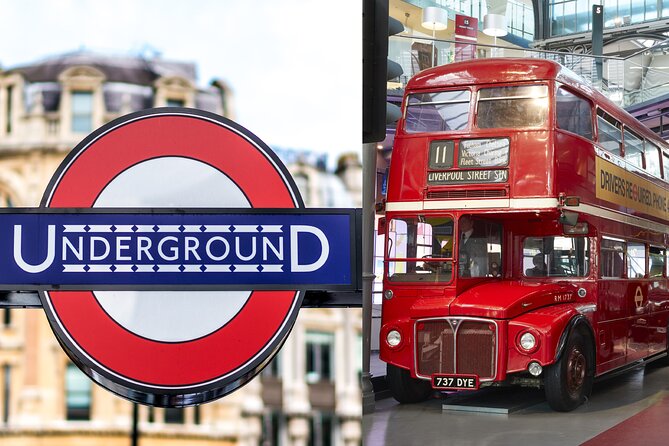
Reviewed · MUSEUMS
Secrets of Underground Walking Tour with London Transport Museum
The best part of this London Underground tour is that it turns ordinary stations into historical clues. From Baker Street, one of the first stops on the world’s first underground railway, you follow the system’s story through Oxford Circus, Green Park, Piccadilly Circus, Embankment, and Westminster. Along the way, you hear about closed stations, wartime use, old platforms, and the odd decisions that shaped the Tube.
I like the mix of expert storytelling and real city walking. I also like that entry to the London Transport Museum is included, giving you a useful second half of the day after the guided tour. The main drawback is important: you do not enter secret ghost stations. You see the outside of a couple of disused stations, and the tour moves through public stations.
- Baker Street start: Begin beside the Sherlock Holmes statue at one of the Underground’s original stations.
- Six historic stops: Follow a route through Baker Street, Oxford Circus, Green Park, Piccadilly Circus, Embankment, and Westminster.
- Down Street station: Learn about the closed station near Green Park, which shut in 1932 because nearby stations drew more passengers.
- Audio headsets included: Hear the guide clearly while moving through busy stations.
- London Transport Museum entry: Visit independently in Covent Garden after the walking portion.
- Bring contactless payment: You need an Oyster card, Travelcard, or contactless payment card for Zone 1.
Why the London Underground makes a fine walking subject
Most people use the Tube as a practical machine. You descend, wait, ride, change lines, and hurry toward the exit. This tour asks you to slow down and notice the layers beneath that routine.
London’s Underground began with the Metropolitan Railway, which opened in 1863. Baker Street was among its original stops. That fact alone changes how you see the station. It is not simply a place to catch a train near Madame Tussauds. It is part of the beginning of urban subway travel.
The tour lasts about five and a half hours in total, though the guided Underground portion runs from 1 p.m. to roughly 3:30 p.m. The remaining time is for your independent visit to the London Transport Museum. The format works well if you want a focused history lesson without spending a full day inside a museum.
Your guide provides live commentary, and personal headsets are supplied for the Underground section. That matters in stations, where train noise and announcements can swallow a quiet voice. The maximum group size is 25 people, so this is not a private tour, but it should remain manageable for a walking activity.
Baker Street reveals where the Tube began
Meet at 1 p.m. by the Sherlock Holmes statue outside Baker Street station. It is a clear landmark, though you should arrive early enough to identify the correct meeting spot and get ready for the group.
The station is the right opening chapter. Baker Street was one of the first stops on the Metropolitan Railway, widely recognized as the world’s first underground railway. You get an immediate sense that the Tube is older and more layered than its familiar colored lines suggest.
Expect about 30 minutes here. The guide’s job is not simply to point at tilework or platforms. The useful part is learning how early Underground routes developed and how the station fits into London’s broader transport story.
Baker Street also sets the tone for the rest of the afternoon. You are looking at a working station, not walking through a preserved museum exhibit. Trains continue to run, commuters continue to pass through, and the history sits inside modern daily life.
A few more London trips to weigh up
- Tower of London and Crown Jewels Exhibition Ticket
★ 4.5 · 6,677 reviews - Chelsea FC Stadium Tours and Museum
★ 5.0 · 1,908 reviews - Official tickets: Moco Modern & Contemporary Art Museum
★ 4.5 · 1,157 reviews
Oxford Circus explains the Tube’s constant rebuilding
The next stop is Oxford Circus, another 30-minute visit. Here, the focus turns to later construction and interchange design.
Construction began in 1962 on the initial Walthamstow to Victoria section of the Victoria line. Plans called for cross-platform interchange at Oxford Circus, a practical feature that lets passengers change trains across the platform rather than climbing through passageways. The Victoria line platforms opened on March 7, 1969, as part of the extension from Warren Street to Victoria.
This stop helps you understand a basic truth about the Underground: it was not built all at once. Different companies, lines, and eras added their own solutions. Stations were altered to handle more people, new lines, and new ways of moving through the city.
You may appreciate this stop most if you enjoy engineering and urban planning. If you want one dramatic abandoned platform after another, Oxford Circus may feel less mysterious. Its value lies in showing how the system adapted over time.
Green Park and the story of Down Street
Green Park brings one of the tour’s more intriguing subjects: Down Street station. The station opened in 1907 under the Great Northern, Piccadilly and Brompton Railway. It was later served by the Piccadilly line and sat between Dover Street, now called Green Park, and Hyde Park Corner.
Down Street closed in 1932. Its location near other stations meant that it attracted too few passengers to remain useful. This is a small but telling piece of Tube history. A station could be beautifully placed, technically sound, and still lose its purpose if another stop was close by.
This is also where you need to keep your expectations realistic. The tour does not take you inside Down Street or other closed stations. You will see the exterior of a couple of disused locations and hear their stories, but access to ghost platforms is not part of the experience.
For me, that distinction is central to deciding if the tour suits you. If behind the scenes means entering sealed tunnels, this is not that kind of outing. If it means seeing the city differently and learning what lies behind a closed entrance, the stop should be rewarding.
Piccadilly Circus shows the Underground’s layered design
Piccadilly Circus brings together two important Underground lines. The station opened on March 10, 1906, for the Baker Street and Waterloo Railway, now the Bakerloo line. The Great Northern, Piccadilly and Brompton Railway platforms, now part of the Piccadilly line, opened later that same year on December 15.
The dates tell a larger story. The Tube’s stations often began with one railway company and gained another line soon after. The result is a network that can feel confusing until you know how it grew.
You spend about 30 minutes here, listening through the headset while the guide explains the station’s development. Since Piccadilly Circus is one of London’s busiest central locations, this part of the tour also gives you a sense of how the Underground connects major public spaces above ground.
The stop is especially useful for first-time visitors who want context for the Bakerloo and Piccadilly lines. It is less about secret access and more about seeing the station as a product of changing transport needs.
Same country, a completely different day out:
- Stonehenge, Windsor Castle, and Bath from London
★ 4.5 · 18,662 reviews - London Big Bus Hop-On Hop-Off Tour with Optional River Cruise
★ 3.5 · 10,803 reviews - London Small Group Tour of Historical Pubs
★ 5.0 · 10,422 reviews - Stonehenge, Windsor Castle and Bath with Pub Lunch in Lacock
★ 4.5 · 7,402 reviews
Embankment links the Tube to the Thames
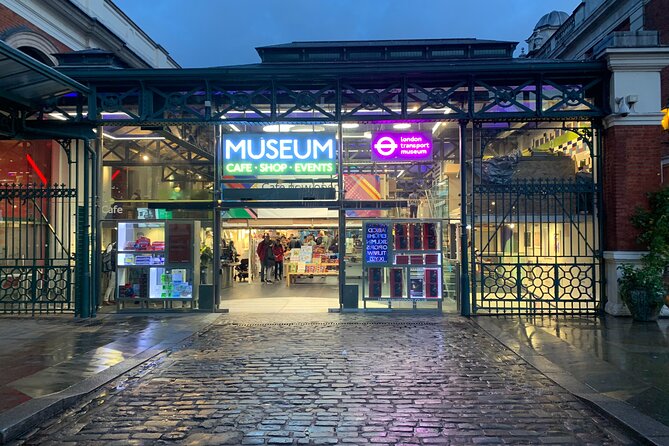
At Victoria Embankment, the Underground story meets the river. The Embankment runs along the north bank of the Thames, from the City of Westminster toward the City of London. It was developed in the 19th century on land reclaimed from the riverbanks.
This stop gives the walking tour a welcome change of setting. Underground transport is often discussed as if it exists apart from the city above it. Here, the guide can connect the station and surrounding streets to the riverfront works that reshaped this part of London.
You get about 30 minutes at Embankment. The stop should appeal to you if you like seeing how transport, public works, and city planning overlap. It also breaks up the sequence of station interiors before the final stop at Westminster.
The tour does not include lunch, so plan accordingly. The afternoon schedule is long enough that a snack before the 1 p.m. start is sensible, especially if you prefer not to eat between stops.
Westminster brings the Underground story to Parliament
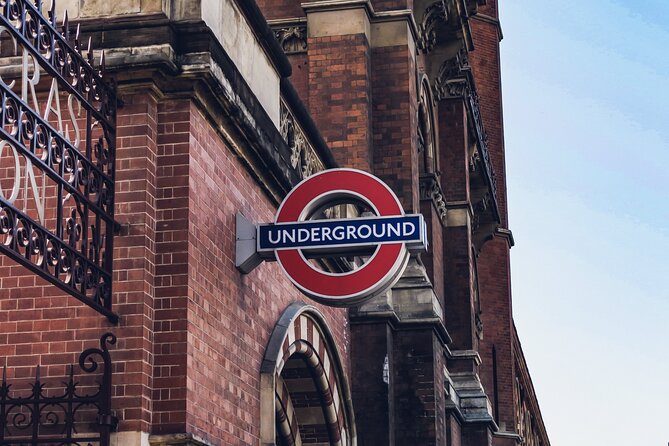
The walking tour finishes at Westminster station at about 3:30 p.m. This station opened as Westminster Bridge on December 24, 1868, under the steam-operated District Railway. That first section ran from South Kensington.
The early entrance was reached by a passage from Bridge Street and a pedestrian subway under the road. Even this basic access detail shows how different the first Underground stations were from the large interchange spaces London uses today.
Westminster is a fitting end because it places the Underground beside some of the capital’s most familiar civic buildings. You finish not at a remote depot but in a central part of London with easy onward connections.
The guided portion ends here. The London Transport Museum is not nearby enough to treat as the next stop on foot. You must make your own way to Covent Garden, and that travel is not included.
The London Transport Museum adds the missing indoor chapter
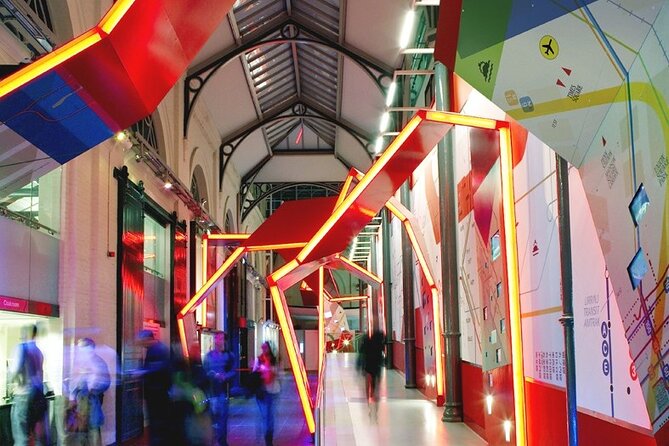
Your $32 ticket includes entry to the London Transport Museum, located in Covent Garden Piazza. You visit it independently, without the walking tour guide, and can explore at your own pace.
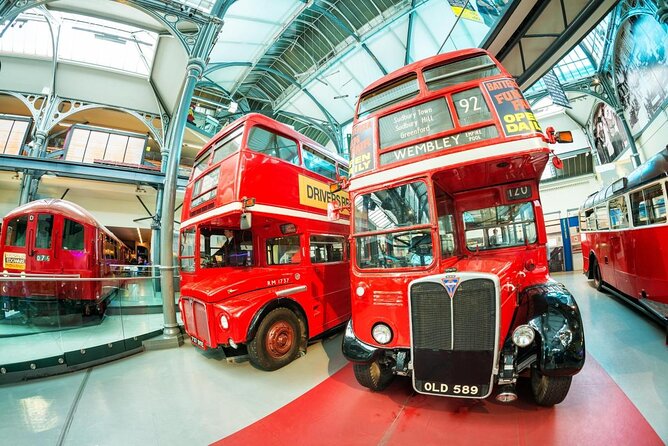
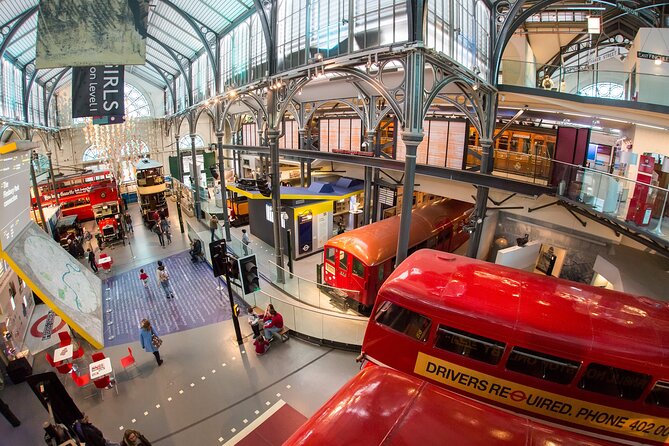
The museum covers London transport over the past 200 years. Its displays include the people who traveled and worked in the city, the development of the transport system, and ideas about future technology. That makes it a useful companion to the walking tour.
The guided route gives you place-based stories. The museum gives you time to connect those stories and see the wider development of London’s transport. I like this combination because the two parts do different jobs. The afternoon walk keeps the subject tied to real stations, while the museum provides broader historical context.
The museum portion is listed at about 90 minutes. You will need to organize your own journey from Westminster. Covent Garden is the nearest Tube station, and the museum is also within roughly 4 to 10 minutes’ walk of Leicester Square, Holborn, Charing Cross, and Embankment stations.
One practical warning: there have been problems with visitors being asked to pay part of the museum admission again or finding that their ticket was not immediately accepted. The advertised experience includes museum entry, so keep your booking confirmation and ask for assistance if the museum has trouble recognizing it. It is wise to confirm the admission instructions before the tour date.
What the $32 price really covers
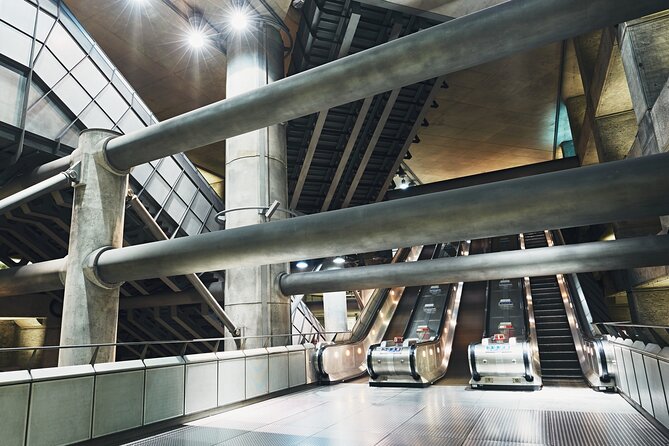
At $32, this is a reasonable value if you want a guided history walk and plan to spend time at the museum. You receive the Underground tour, an expert guide, a personal headset for the guided portion, and London Transport Museum admission.
The price does not include your Tube fares. You need an Oyster card, Travelcard, or contactless payment card valid for Zone 1. That extra cost is small compared with many London attractions, but it is still part of your budget.
The price also does not include hotel pickup, hotel drop-off, or lunch. You meet at Baker Street and finish at Westminster, so the tour works best if you are already using central London transport.
Value depends on your interests. A Tube enthusiast, history fan, or first-time visitor who wants more than a standard sightseeing route gets a lot from the stories. Someone hoping to enter closed stations may feel the price is less attractive because the disused sites are viewed from outside.
Who should book this Underground walk
I would choose this tour for you if you enjoy:
- London history told through specific places
- Transport systems, engineering, and station design
- Guided walks with a clear route and live commentary
- A central London activity that does not require a full day
- Pairing an outdoor tour with an indoor museum visit
It is also a good fit for families with older children who can manage several hours of walking and station changes. The audio headsets should make it easier to follow the guide in noisy areas.
You should think twice if you have limited mobility or dislike stairs, station corridors, and a moderate amount of walking. The activity asks for a moderate level of physical fitness, and no special accessibility details are provided.
The tour is less suitable if your main goal is photography inside abandoned stations or access to restricted platforms. The ghost-station theme is a storytelling feature, not a promise of entry.
Timing, group size, and practical advice
The tour begins at 1 p.m., so you have the morning free. Do not schedule the museum before the walking tour unless you have confirmed that your ticket can be used separately. The independent museum visit is designed for after the guided route.
Wear comfortable shoes. You will spend time standing and walking through public stations, and you may need to manage your own route from Westminster to Covent Garden afterward.
The group can contain up to 25 people. That is large enough to create some waiting at busy stations, but the supplied headset should help you keep up with the guide’s commentary.
Guide quality matters here. John is specifically praised for being entertaining and well informed, and one booking had him guiding only a family group. Your guide may differ, but the tour’s success depends heavily on the person leading it. The strongest part of the experience is the explanation of what you are seeing, not access to areas normally closed to the public.
If a booking date is wrong, act carefully. Changes made less than 24 hours before the start are not accepted, and third-party booking arrangements can make corrections difficult. The stated cancellation policy allows a full refund when you cancel at least 24 hours ahead.
Should you book the Secrets of Underground Walking Tour?
Book it if you want a well-organized introduction to London’s Underground, enjoy stories about how stations grew and disappeared, and value museum entry at the end. The route through Baker Street, Oxford Circus, Green Park, Piccadilly Circus, Embankment, and Westminster gives you a good spread of Tube history for $32.
Do not book it expecting to walk through ghost stations. You will see the outside of disused sites, including Down Street, and learn why they closed. That is still interesting, but it is a different experience from exploring sealed platforms.
Before paying, confirm how the London Transport Museum entry will be honored, bring a Zone 1 payment card, and allow time to travel from Westminster to Covent Garden. With those details clear, this is a practical choice for curious visitors who want London’s transport system explained by someone who knows where the stories are hiding.
FAQ
Where does the Underground tour begin?
It begins at 1 p.m. by the Sherlock Holmes statue outside Baker Street Underground Station on Marylebone Road, London NW1 5LJ.
Where does the guided walking tour finish?
The guided Underground tour finishes at Westminster Underground Station at approximately 3:30 p.m.
Are ghost stations included?
The tour discusses disused and closed stations, but you do not enter ghost stations. You see the exterior of a couple of disused stations.
Is the London Transport Museum included?
Yes. Entry to the London Transport Museum is included, but you visit it independently without the walking tour guide.
Where is the London Transport Museum?
The museum is at Covent Garden Piazza, London WC2E 7BB. Covent Garden is the nearest Underground station.
Do I need an Oyster card or contactless payment?
Yes. You need an Oyster card, Travelcard, or contactless payment card valid for Zone 1. This is not included in the tour price.
What happens if I cancel?
You receive a full refund if you cancel at least 24 hours before the experience starts. Cancellations or changes made less than 24 hours ahead are not accepted for a refund.
Just added around London
- Private The Beatles Taxi Tour in London★ 5.0 · 12 reviews
- Dinner and Jazz Cruise on the River Thames★ 4.0 · 140 reviews
- Airport Coach Service from Heathrow to Oxford★ 3.5 · 67 reviews
- The Alfred Hitchcock London Walk with Sandra Shevey★ 5.0 · 15 reviews
- Tower of London & 30+ London Sights Walking Tour★ 4.5 · 33 reviews
- Thames Beachcombing★ 4.5 · 100 reviews
- Ted Lasso London Taxi Tour★ 5.0 · 5 reviews
- Ted Lasso Tour of Richmond with Private Guide★ 5.0 · 25 reviews
Museums, compared.

Tower of London and Crown Jewels Exhibition Ticket
Read our review →
Official tickets: Moco Modern & Contemporary Art Museum
Read our review →
British Museum London Guided Tour Semi-Private 8ppl Max
Read our review →
The British Museum London – Exclusive Guided Museum Tour
Read our review →


Skip the Line: Liverpool Beatles Museum – The perfect tribute to the Beatles
Read our review →Browse the lists this tour appears in