
Reviewed · SELF-GUIDED TOURS
Western Approaches Self Guided Tour
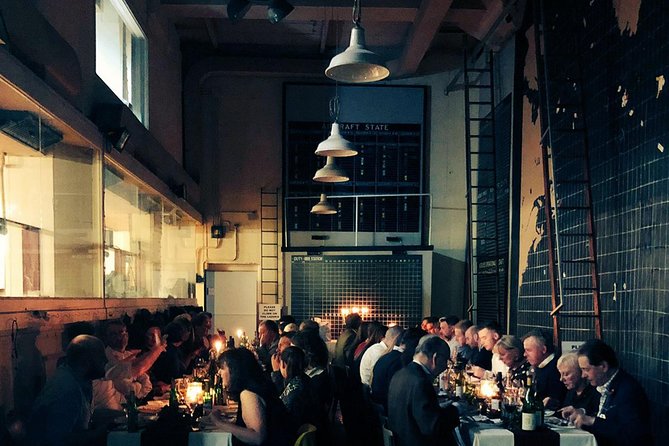
Liverpool’s Western Approaches HQ Museum takes you below the city streets into the wartime headquarters that directed Britain’s fight across the Atlantic. The best part is the Map Room, left as it was when the bunker closed on 15 August 1945, with its huge plotting table, maps, ladders, and working atmosphere.
I like the freedom to move at your own pace, and I like the annual pass, which lets you return free within 12 months. The main drawback is that the museum leans heavily on written displays, so you may want more audio, video, or interactive help than it provides.
Key points to know before you go
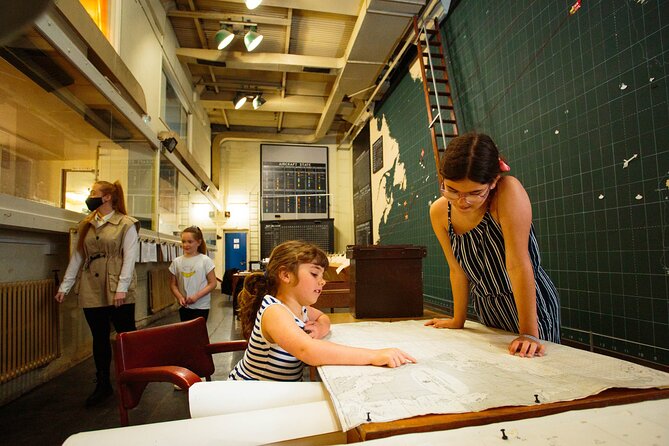
- The original Map Room remains in wartime condition: This is the museum’s most powerful space and the clearest link to the Battle of the Atlantic.
- You explore without a guide: Walk through offices, corridors, and operations rooms at your own speed, with time to read and try selected displays.
- A direct wartime phone is on display: One of only two surviving phones with a direct connection to the War Cabinet in London can be seen here.
- The visit takes place underground: You descend steps from the street-level entrance, so sensible shoes and moderate fitness help.
- Your ticket works for a full year: Keep it if you are staying in Liverpool or expect to return.
- Allow closer to two hours: The official estimate is one to two hours, but the many rooms and displays can easily hold your attention.
Liverpool’s secret command center beneath the city
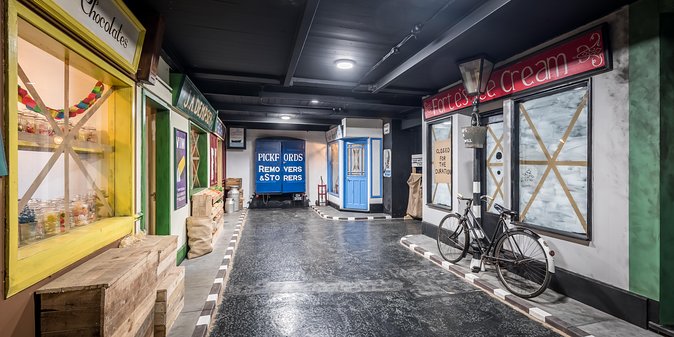
The Western Approaches bunker is close to Liverpool Town Hall and roughly a five-minute walk from Albert Dock. It is easy to pass the entrance without noticing it, since the museum sits below the city rather than presenting a grand wartime facade above ground.
Once inside, you begin at street level and then go down a staircase into the former headquarters. That descent matters. The museum is not simply a collection of objects in modern galleries. You are entering the corridors and rooms where British forces tracked shipping, studied enemy movements, and passed information to senior commanders.
The bunker helped protect the tactics and intelligence used to defend the Western Approaches, the sea routes leading toward Britain. During the Battle of the Atlantic, keeping cargo ships moving was vital. Food, fuel, troops, and equipment crossed waters threatened by German U-boats, and the work done here helped the Royal Navy locate and attack enemy vessels.
You will not get a long, formal guided presentation. Instead, the visit is self-guided, which gives you room to pause at a document, sit at a desk, or move quickly past a display that interests you less. That approach suits independent visitors, though it also means you need to read the signs carefully to get the full story.
A few more Liverpool trips to weigh up
- Liverpool Ghost Hunt: Paranormal Detective Self-Guided Game
★ 4.5 · 26 reviews - Private Liverpool Self-Guided Tour
★ 4.5 · 19 reviews - Westminster Abbey Entrance Ticket Including Audio Guide
★ 4.0 · 661 reviews
The Map Room is the heart of the visit
The Map Room is the museum’s strongest room. It was the nerve center of the bunker, where commanders, WRNS personnel, and WAAF personnel worked around the clock to monitor convoy routes and shipping lines.
A huge map spread across the table shows how exact this work had to be. Staff had to pinpoint the position of ships and enemy forces accurately enough for the Royal Navy to respond. A small error could send help to the wrong place or expose a convoy to greater danger.
The room has a striking sense of interruption. It has remained as it was when the doors closed at the end of the war on 15 August 1945. The walls, maps, and ladders used to reach the higher sections help you picture the practical, repetitive labor behind wartime intelligence.
I would spend more time here than you expect. Look up as well as down. The ladders and wall charts show how much information had to be managed before computer screens and digital mapping. The scale of the room also makes clear that this was a workplace, not a theatrical reconstruction.
The museum gives useful attention to the women who worked in the bunker. WRNS and WAAF staff handled essential communications and clerical duties, and their presence is not treated as a footnote. A separate WRNS display is an unexpected highlight, especially if your picture of wartime command centers has focused only on senior male officers.
Offices, telephones, and hands-on displays
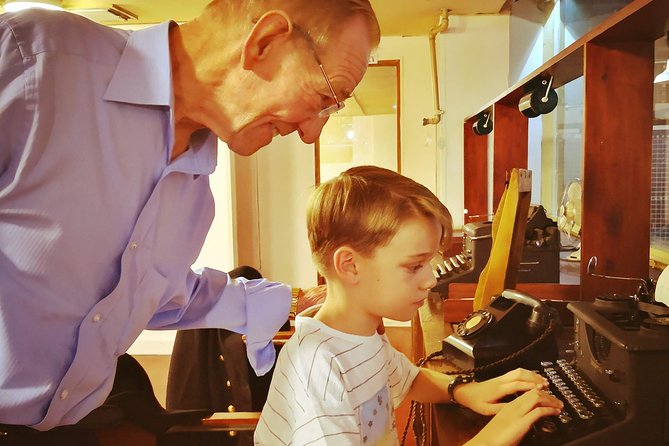
After the Map Room, the route leads through hidden rooms and working areas used by the staff. You can walk along the bunker corridors, see desks and office equipment, and look at the telephone exchange that supported the headquarters.
One especially unusual object is one of only two surviving wartime telephones with a direct connection to the War Cabinet in London. It gives a physical sense of the secrecy and urgency surrounding the work carried out here. This was not ordinary office communication. Information from the bunker could affect decisions at the highest level of government.
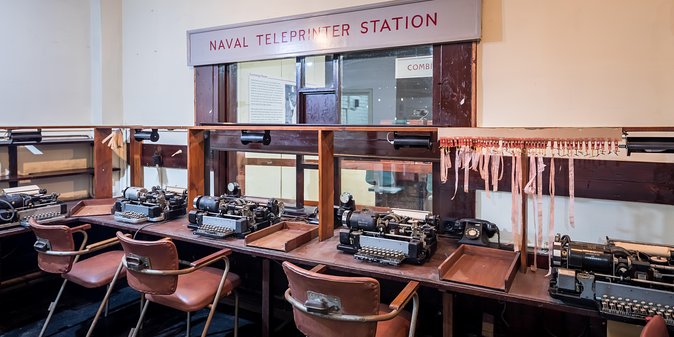
The self-guided format lets you interact with selected parts of the museum. You can sit at desks, use typewriters and teleprinter machines, inspect documents and tools, and try on uniforms. These touches help break up the reading, particularly for children and anyone who prefers handling objects to studying long panels.
Still, keep your expectations sensible. This is a preserved bunker with displays, not a highly produced multimedia attraction. Much of the information is delivered through static exhibits and written explanations. A few films and visual displays add variety, but you should not expect a constant stream of sound, projections, or digital activities.
That is both a strength and a weakness. The quiet, workmanlike presentation fits the subject. At the same time, maps and battle information can be difficult to follow without spoken explanation. If you want a strong narrative delivered from beginning to end, London’s Churchill War Rooms may offer a more polished experience. In Liverpool, the reward is the original setting and the chance to set your own pace.
A clear picture of Liverpool during the war
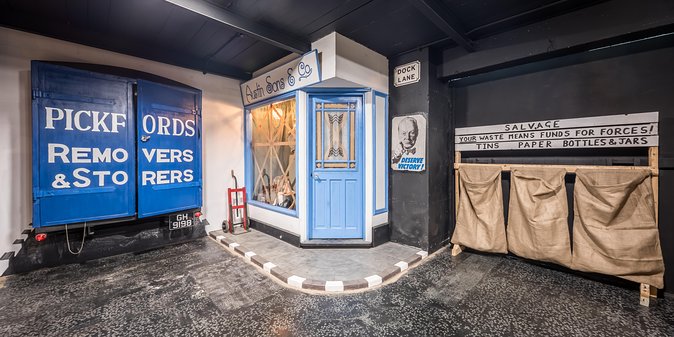
The museum is not only about naval strategy. It also shows how wartime operations connected to life in Liverpool.
Liverpool’s port made the city a crucial link in Atlantic supply lines. The bunker’s work was tied to the movement of ships, the protection of convoys, and the flow of information between military units and government. The displays help you see the city as a working part of the wider war, rather than just a backdrop to events elsewhere.
A short film near the beginning introduces the Battle of the Atlantic and gives you basic context before you enter the rooms. This opening is useful because the subject can become complicated quickly. Ship movements, coded messages, convoy routes, and enemy positions make more sense once you understand the larger problem: Britain had to keep sea lanes open while German submarines tried to cut them.
You will find about a dozen rooms, each covering a different part of wartime operations. Some are more immediately gripping than others. The battle craft blackboard and maps showing craft locations are intriguing, but they require patience. Without more audio guidance or interactive explanation, you may need to read slowly and reconstruct the story for yourself.
For that reason, I would not rush through in the advertised minimum time. One hour is possible if you skim the text. Two hours gives you time to examine the rooms, try the equipment, watch the film, and appreciate the building itself.
Same country, a completely different day out:
- Beatles Magical Mystery Tour
★ 5.0 · 9,266 reviews - Liverpool: “Blue Route” – City & Beatles Tour
★ 5.0 · 8,562 reviews - Liverpool City Sights Hop On Hop Off City Tour – 24hr Ticket
★ 4.5 · 2,555 reviews - The LFC Stadium Tour
★ 5.0 · 1,548 reviews
A museum that works for families and history fans
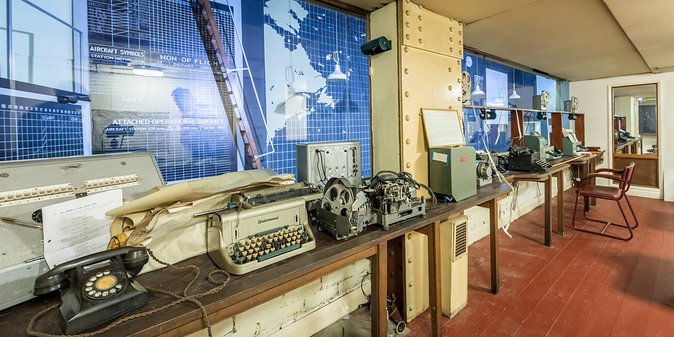
This is a natural choice for World War II enthusiasts, especially if you have already visited major wartime sites and want to understand Liverpool’s role. The bunker offers a different experience from a conventional military museum because you are seeing the place where information was gathered and used.
It also works well for families, provided children can manage the stairs and have some interest in the subject. Typewriters, teleprinters, uniforms, desks, and traditional games give younger visitors something to do beyond reading panels. The scale of the rooms can make the past feel more immediate without relying on elaborate effects.
You should allow for a moderate level of physical fitness. There are steps down into the bunker, and the visit involves walking through underground corridors. The attraction is near public transportation, and service animals are allowed, but the supplied information does not confirm full step-free access, so contact the museum before booking if that is important for you.
The staff are described as enthusiastic and helpful, and the museum is still being refurbished. That means you may see an attraction that is continuing to develop rather than a finished, highly polished product. For some people, the ongoing work adds interest. The collection is still growing, and new objects may appear over time.
The final room adds a touch of wartime everyday life
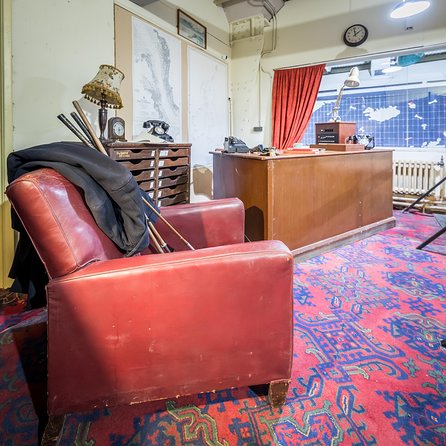
At the end of the route, you reach a room where hot drinks are available at wartime prices. Traditional games and a film about life in Liverpool during the war make this a pleasant place to pause before leaving.
This section provides a useful change of mood. The earlier rooms focus on command, intelligence, and the pressure of military decisions. Here, the subject turns toward daily life and the ordinary routines that continued during the war.
The drinks and games are not a major reason to buy the ticket, but they help round out the visit. You can sit, reflect on what you have seen, and connect the bunker’s strategic work with the people living above it.
Is the $24.26 price good value?
At $24.26 per person, the ticket is not the cheapest small museum admission. The value depends on how much time you give it and how strongly you care about wartime history.
The price includes entry to the Western Approaches Museum, and the 12-month return admission changes the calculation. If you live nearby, are staying in Liverpool for several days, or plan to return to the city, the annual pass gives you a practical reason to revisit. You can come back to reread displays, bring another person, or see changes as refurbishment continues.
For a one-hour visit, the cost may feel high beside smaller local museums. For a two-hour visit in an original wartime bunker, it becomes easier to justify. The setting is the main value. You are not only looking at objects removed from their surroundings. You are walking through the actual rooms used by wartime staff.
The rating is 4.8 from 506 reviews, with 98 percent recommending the experience. That aligns with the museum’s strongest qualities: the authentic bunker, the preserved Map Room, the role of women in the operation, and the freedom to explore without a clock ticking over you.
The main value warning is presentation. If you expect the polished, cinematic storytelling found at the Churchill War Rooms in London, you may find this museum more modest. The displays can feel text-heavy, and some maps would benefit from better audio or interactive explanation. I would book it for the place itself and its original details, not for high-tech production.
Timing, location, and practical planning
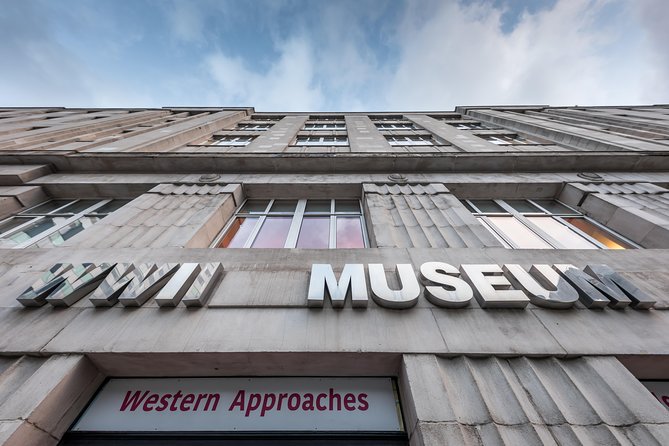
The museum is open daily from 10 a.m. to 6 p.m. The broad opening schedule makes it easy to fit around Albert Dock, Liverpool Town Hall, or a day in the city center.
Since the entrance can be difficult to spot and street markings in Liverpool are not always helpful, give yourself a few extra minutes to find it. The museum is near Town Hall and close to Albert Dock, so it pairs naturally with other central sights.
Confirmation is received at booking, and free cancellation is available up to 24 hours before the start time. Changes or cancellations made less than 24 hours before the start time are not accepted for a refund, so check the local time and keep that deadline in mind.
The experience is offered in English and uses a mobile ticket. There is no named guide because this is not a guided tour. You are responsible for setting the pace and deciding how much detail to absorb.
Who should book the Western Approaches Museum?
I would choose this for anyone interested in World War II, naval history, Liverpool’s port, or the often overlooked work of women in wartime operations. It is also a good pick if you prefer real places and original rooms over recreated sets.
Families can enjoy the hands-on equipment and uniforms, while serious history fans will appreciate the Map Room and surviving communications equipment. You should be comfortable with stairs and with reading a fair amount of text.
I would hesitate only if you want a fully guided, heavily interactive experience or if you have very limited time in Liverpool. The museum is small, and its presentation has some gaps. But its original bunker, preserved workspaces, and annual return pass make it a worthwhile stop for the right audience.
Should you book it?
Book the Western Approaches Museum if you want to see where Liverpool helped direct the Battle of the Atlantic, especially if the idea of an intact wartime command room appeals to you. Plan for two hours, arrive with patience for written displays, and keep your ticket for a free return within 12 months.
Skip it if you want constant audiovisual effects or a polished guided story. For history fans, though, the quiet corridors, untouched Map Room, direct War Cabinet phone, and evidence of women’s daily work offer something difficult to reproduce elsewhere.
FAQ
Where is the Western Approaches Museum?
The museum is in Liverpool, England, beneath the city center and close to Liverpool Town Hall. It is also about a five-minute walk from Albert Dock.
How long does the self-guided visit take?
The visit takes approximately one to two hours. You can finish more quickly by skimming the displays, but two hours allows time for the rooms, equipment, film, and final refreshment area.
Is entry to the museum included?
Yes. The ticket includes admission to the Western Approaches HQ Museum and its Battle of the Atlantic experience.
Can I return to the museum after my visit?
Yes. The ticket includes free return admission within 12 months, giving you an annual pass.
Is the experience guided?
No. This is a self-guided museum visit. You explore the bunker, displays, and rooms at your own pace.
What language is the experience offered in?
The experience is offered in English.
Are there stairs?
Yes. You need to go down steps from the street-level entrance into the bunker. A moderate level of physical fitness is recommended.
Is the museum open every day?
Yes. The stated opening hours are 10 a.m. to 6 p.m., Monday through Sunday, from 4 March 2024 through 3 March 2027.
Can I cancel for a refund?
Yes. You can cancel up to 24 hours before the experience start time for a full refund. Cancellations or changes made less than 24 hours before the start time are not accepted for a refund.
Just added around Liverpool
- Half Day Welcome to Liverpool Walking Tour★ 5.0 · 17 reviews
- Fun, Flexible Treasure Hunt Around Liverpool with Cryptic Clues & Hidden Gems★ 5.0 · 141 reviews
- The Story of Liverpool 2-Hour Walking Tour★ 5.0 · 3 reviews
- LIVERPOOL: Yorkshire Adventure – Sightseeing Day Trip Tour★ 5.0 · 13 reviews
- Ultimate Ticket To Ride Beatles Half-Day Shore Excursion- Private★ 5.0 · 6 reviews
- Beatles Ticket To Ride Half Day Tour Small Groups★ 5.0 · 60 reviews
- Lake District from Liverpool including Lake Cruise★ 4.5 · 49 reviews
- The Liverpool Pass®: All top attractions inc. Hop-On Hop-Off Bus Tour | 2-Days★ 4.5 · 11 reviews
Self-Guided Tours, compared.
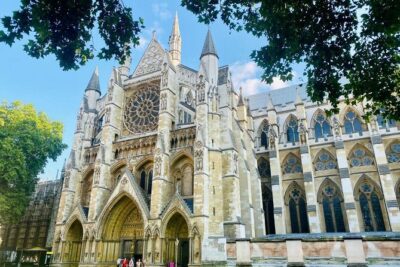
Westminster Abbey Entrance Ticket Including Audio Guide
Read our review →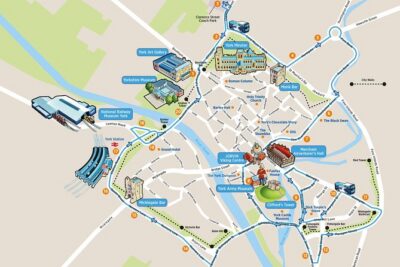
Golden Tours York Hop-on Hop-off Open Top Bus Tour with Audio Guide
Read our review →
Windsor Castle Tour from London with Transportation & Audio Guide
Read our review →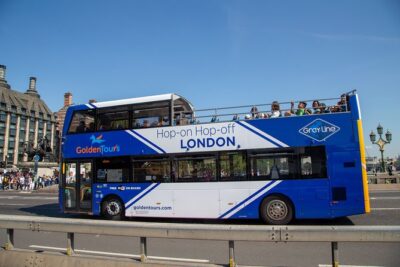
London Panoramic Open Top Bus Tour with Audio Guide
Read our review →
Emirates Stadium and Arsenal Museum Entrance Ticket Including Audio Guide
Read our review →
Private Self-Guided Dinky Door Hunt in Cambridge
Read our review →
Buckingham Palace: Walking Tour with Entry & Audio Guide
Read our review →
Harry Potter PUBLIC Tour + Self Guided Christ church Daily 12.45
Read our review →Browse the lists this tour appears in