
Reviewed · HISTORICAL TOURS
Ilfracombe Seafront History Walking Guided Tour
Ilfracombe’s story is written along its seafront: grand hotels, steamship visitors, smugglers, sailors, wartime links, and a chapel that still guides ships into harbour. This 90-minute walk gives you a quick way to connect those pieces, with guide Mark adding old photographs, local tales, and the town’s stranger episodes.
I like the route’s compact shape, from the Landmark Theatre to the harbour, and I like the mix of solid history with ghost stories. You are not simply looking at old buildings. You are learning why Ilfracombe grew as a port and a Victorian resort. The main consideration is that the tour needs good weather, and the advertised price is not provided here, so you should judge value against other paid walking tours in the area.
Key points to know
- A Victorian hotel begins the story: See the site of Ilfracombe’s first purpose-built luxury hotel, opened in 1867.
- The harbour ties the town together: Learn how a natural port became a refuge on the Bristol Channel.
- St Nicholas Chapel is the special finish: This 14th-century seamen’s chapel also served as a lighthouse.
- Mark keeps the history lively: His walk combines old photographs, questions, mystery, and local stories.
- The group stays small: A maximum of 15 people should make it easier to hear and ask questions.
- Dogs and service animals are welcome: Friendly dogs may join if kept on leads.
Starting beside the Landmark Theatre
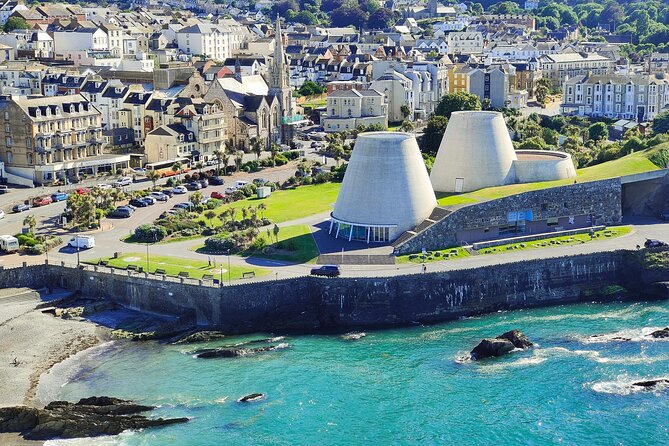
The walk starts at 2:00 pm outside the Landmark Theatre on The Promenade. This is a useful meeting point because you begin beside the seafront, rather than spending the first part of the tour finding a tucked-away street or historic house.
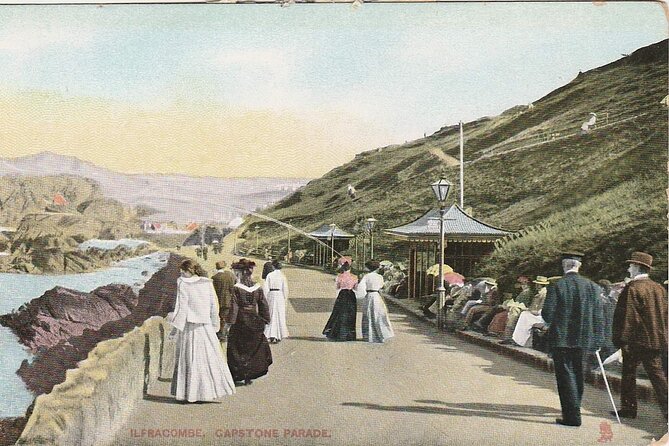
The opening stop concerns the Ilfracombe Hotel, a reminder that the town once aimed high as a seaside resort. Built during the Victorian tourist boom, it opened on May 15, 1867, as Ilfracombe’s first purpose-built luxury hotel. Its position was carefully chosen, overlooking Capstone Hill and Wildersmouth beach.
That setting tells you something important about the town. Ilfracombe was not only a working harbour. It also wanted wealthy visitors arriving by sea to see a smart resort, with impressive accommodation near the water. A tour guide can help you picture that change in a way a quick walk past the building cannot.
You spend about 10 minutes here, and admission is free. That does not mean the stop is throwaway. It sets up the central theme of the walk: Ilfracombe has always looked to the sea for work, visitors, transport, and news.
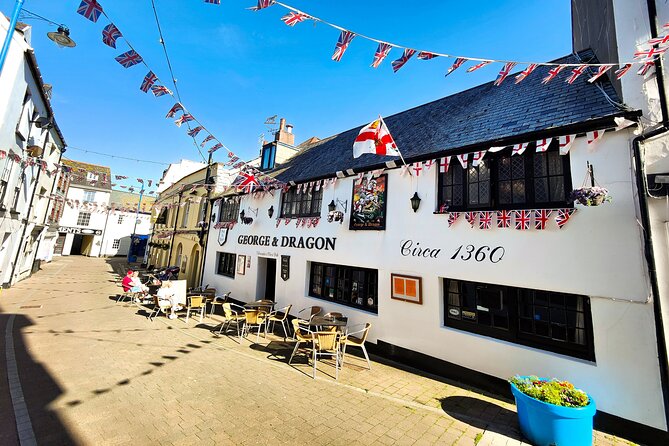
The hotel also has a later chapter with a more unsettling tone. It was known as the Alexandra Hotel in the 1880s, and in the 1970s a couple named Blackmore owned or managed it. The building is also associated with one of the town’s most haunted pubs.
That combination suits this tour well. You get dates and buildings, then a local mystery that helps the past feel less tidy. If you prefer history with a little atmosphere, this is a strong start. If you want only architectural facts, the ghost material may feel like a sidetrack, though it is part of the town’s popular story.
A few more Devon trips to weigh up
- London Small Group Tour of Historical Pubs
★ 5.0 · 10,422 reviews - Soho Music & Historic Pubs Tour
★ 5.0 · 1,993 reviews - Shadows of York: Ghost Walk and Horrible History.
★ 5.0 · 1,403 reviews
Following Ilfracombe’s seafront past

The walk is relaxed rather than a race through a long list of monuments. The route links the seafront and harbour, so you can keep your bearings while Mark explains how the town developed.
The feedback about his guiding points to a clear strength: he uses old photographs and answers questions instead of delivering a fixed speech with no room for conversation. That matters on a walking tour. A photograph showing the seafront in its resort heyday can reveal changes to buildings, beaches, boats, and public life that are easy to miss when you look at the modern view alone.
The wider story reaches back roughly 2,000 years, beginning with Ilfracombe as an Iron Age hill fort. Over time, castles, churches, and grand buildings appeared and disappeared. The town was also touched by war and is linked to an event that helped set the course toward the First World War.
The supplied details do not explain that episode fully, so you should expect it as one of the unusual stories Mark may put into context rather than as a separate stop. This is one reason the tour works best for curious people who enjoy connections between local places and larger events.
You also hear about Ilfracombe as an early resort with a reputation for grandeur. Regular steamships brought wealthy and well-known visitors to stay. The comparison with Mediterranean resorts belongs to an earlier age, but it helps explain why the town has more than a simple fishing-port identity.
I like this sort of local history because it gives ordinary streets several layers. A hotel becomes part of the railway and steamship age. A beach becomes a landing place for visitors. A harbour becomes both a workplace and a gateway to the wider Bristol Channel.
Ilfracombe Harbour and its refuge on the Bristol Channel
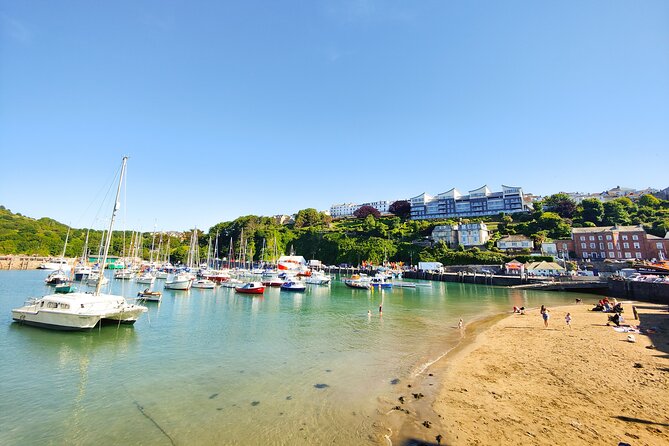
The second main stop is Ilfracombe Harbour, where you spend about 15 minutes. There has been a port here since the 12th century, while people lived in the area much earlier.
The harbour’s natural shape made it useful. Ilfracombe became a significant safe port and was registered as a port of refuge on the Bristol Channel. That status is more than a technical detail. The Bristol Channel can be demanding water, so a protected harbour gave ships a place to seek safety.
At this point, the tour shifts from resort history to seafaring life. You can expect Mark to explain how the harbour affected the town’s work and identity, with the sea always bringing something new: trade, passengers, sailors, danger, and news.
The harbour is also where the town’s different eras meet. Victorian visitors arrived by steamship, while earlier generations depended on the port for practical reasons. The same stretch of water could serve wealthy holidaymakers, local workers, and ships needing shelter.
Because the route ends near the harbour pier by Verity or at St Nicholas Chapel, the harbour also gives you a useful chance to continue exploring after the guided part. The tour does not leave you far from the central waterfront.
One small limitation is the short time at each main site. Fifteen minutes is enough for a focused explanation, but not for a long independent look at every harbour detail. I would treat this as an introduction, then return later if you want photographs or a slower walk.
St Nicholas Chapel, the lighthouse at the finish
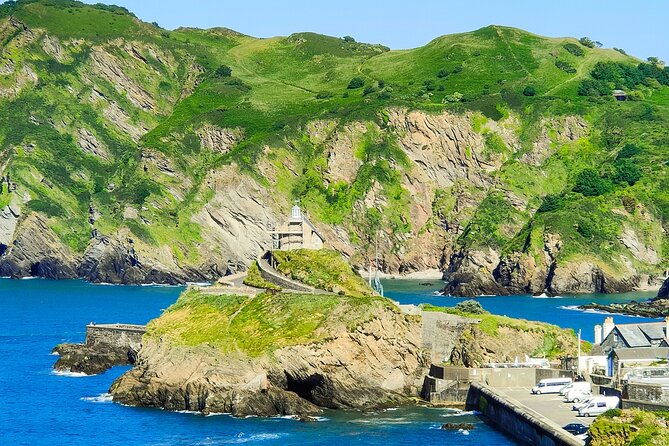
The final named stop is St Nicholas Chapel, a 14th-century seamen’s chapel on The Quay. You spend about five minutes here, but the stop has unusual importance.
This is the only surviving beacon chapel and lighthouse of its kind in the area described for the tour. It was built as a place of worship for people living and working around the harbour. That makes it both a religious building and a working part of the port.
The chapel was used as a lighthouse during the time of Henry VIII. Its light still remains on, guiding shipping into the harbour. Few historic sites combine those roles so neatly. The building served sailors spiritually, then helped them find their way physically.
Five minutes may sound brief, but it works as a closing image. You finish with a small building that brings together the walk’s main subjects: faith, danger, ships, local work, and the sea.
The tour ends either at St Nicholas Chapel or at the harbour pier near Verity. That gives you two practical options for the rest of your afternoon. You might continue around the waterfront, spend time by the harbour, or use the chapel as your final point before finding a café or another town sight.
Same country, a completely different day out:
- Torquay Coastal RIB Seafari
★ 5.0 · 410 reviews - The story of Agatha Christie’s extraordinary life
★ 5.0 · 333 reviews - Coasteering
★ 5.0 · 191 reviews - 30-Minute Raptor RIB Ride Activity in Torquay
★ 5.0 · 182 reviews
Mark’s style: facts with mystery and old photographs
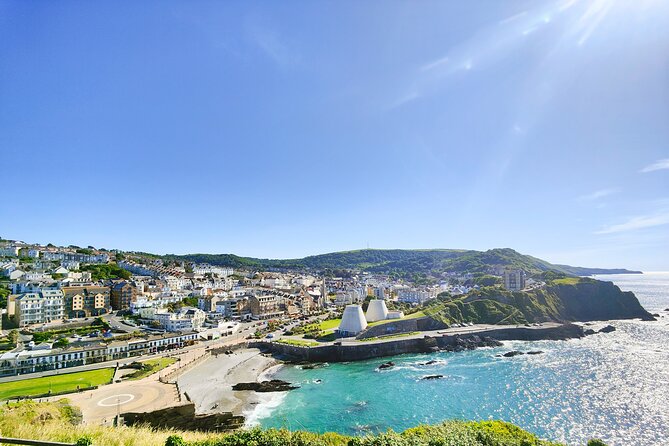
The guide is Mark, working with Devon History Tours. The strongest praise focuses on his detailed knowledge of Ilfracombe’s beaches, buildings, and harbour, but the more useful point is how he presents it.
His style combines explanation with stories of mystery and intrigue. He uses old photographs, takes questions, and adds ghost stories without making the entire walk a theatrical scare show. That balance should suit you if you want local history delivered in a friendly, relaxed way.
The unusual tales are a key part of the appeal. The haunted hotel or pub connection near the opening stop gives the tour a memorable hook. Other stories connect the town to war, famous visitors, steamships, and the wider Atlantic world.
I would not book this expecting a formal academic lecture. The walk is designed to entertain as it informs. That can make the past easier to remember, especially if you are exploring Ilfracombe with children, older relatives, or anyone who loses interest when a guide lists dates without a story.
The maximum group size is 15 people. That is small enough to keep the walk personal, although the actual group may be smaller or close to the limit. You should be able to hear the guide more easily than on a large coach-linked walking tour, and questions should be practical rather than disruptive.
Who will get the most from this walk
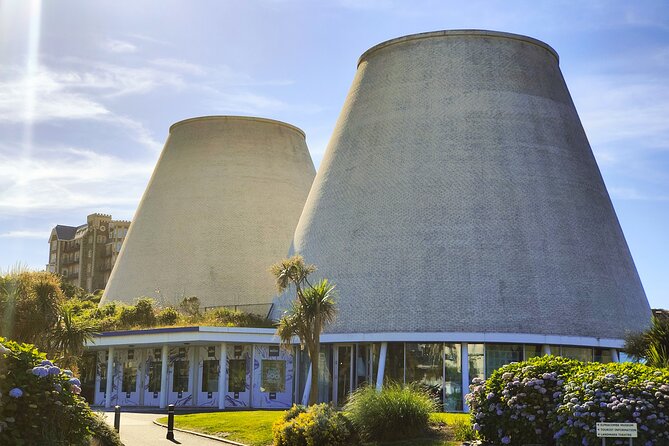
This tour suits a first visit to Ilfracombe because it gives you a town overview without taking up half a day. In 90 minutes, you move from Victorian resort ambition to harbour history and a medieval chapel.
It is also a good choice if you have already seen the waterfront but feel you have missed its meaning. The route adds context to buildings and views that might otherwise blur together.
History fans will appreciate the long time span, from the Iron Age hill fort to the Victorian steamship era and later wartime links. People who prefer local folklore will enjoy the haunted stories. Families may find the mixture of ships, hotels, old images, and ghosts more engaging than a tour focused only on church architecture.
The walk is offered in English. Service animals are allowed, and friendly dogs on leads are welcome. It is near public transport, and most people can participate, though the supplied details do not describe the exact walking surface, step count, or seating. If you need a fully specified accessible route, contact the provider before booking.
The 2:00 pm start makes this easy to fit around a morning outing. You should allow a little extra time to reach the Landmark Theatre and avoid arriving at the last minute. Since the tour depends on good weather, a rainy forecast may affect your plans.
Value, booking terms, and practical limits
The exact price is not included in the supplied information, so I cannot give a fair cost comparison. The value will depend on how much you want explanation rather than a self-guided stroll. You are paying for Mark’s local stories, structure, old photographs, and answers to questions, not admission to a paid attraction.
The main stops have free admission. That is useful to know, but the tour’s worth comes from the interpretation. A guide can point out the link between the hotel, the harbour, the old resort trade, and St Nicholas Chapel in a single outing.
Free cancellation is available if you cancel at least 24 hours before the 2:00 pm start time. Cancellations within 24 hours are not refunded, and changes made inside that period are not accepted. The local cut-off time applies.
Weather matters here because the experience takes place outdoors. If poor weather causes cancellation, you are offered another date or a full refund. The tour also needs a minimum number of participants. If that minimum is not reached, you are offered another date or experience, or a full refund.
These rules are reasonable for a small outdoor tour, but I would avoid booking it as the one fixed highlight of a tightly packed day. Leave room for a weather change or a provider decision.
Should you book the Ilfracombe Seafront History Walking Guided Tour?
I would book this if you want a friendly introduction to Ilfracombe that mixes solid local facts with ghost stories and unusual connections. The short route is well judged, and the sequence from luxury hotel to working harbour to beacon chapel gives the town a clear shape.
Choose it especially if this is your first time in Ilfracombe, or if you like hearing how a place changed over centuries. Mark’s use of old photographs and willingness to answer questions add real value.
I would skip it only if you want a long, museum-style tour with extended time inside historic buildings. The chapel stop is brief, and much of the experience is outdoors. For most people who want the seafront to make more sense, this is a worthwhile 90-minute way to spend an afternoon.
FAQ
Where does the Ilfracombe history walk start?
It starts at The Landmark Theatre, The Promenade, Ilfracombe EX34 9BZ, UK.
What time does the tour begin?
The advertised start time is 2:00 pm.
How long does the walking tour last?
The experience lasts approximately 1 hour and 30 minutes.
Where does the tour finish?
It finishes either at St Nicholas Chapel or at the harbour pier near Verity.
Is St Nicholas Chapel included?
Yes. St Nicholas Chapel is the final named stop. It is a 14th-century seamen’s chapel that also served as a beacon and lighthouse.
Can I bring a dog?
Friendly dogs are welcome if they are kept on leads. Service animals are also allowed.
Just added around Devon
- Wine Tasting Experience in Torquay★ 5.0 · 5 reviews
- Wooden Duck Painting or Pottery Painting-Take item home same day★ 5.0 · 44 reviews
- Doc Martin, Fishermans Friends & North Cornwall★ 5.0 · 9 reviews
- Walking Tour of Exmouth in East Devon★ 5.0 · 12 reviews
- Gliding Experience in Devon★ 5.0 · 4 reviews
- Half Day Sea kayak Guided Tour★ 5.0 · 15 reviews
- Guided Wildlife and Sea Cave Kayak Safari in English Riviera★ 5.0 · 121 reviews
- Ilfracombe Harbour Ghost Tour★ 5.0 · 75 reviews
Historical Tours, compared.

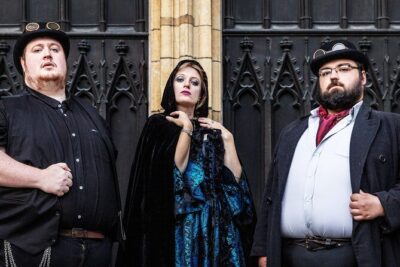
Shadows of York: Ghost Walk and Horrible History.
Read our review →
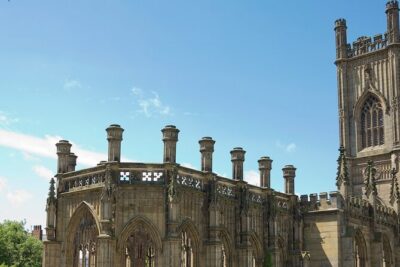
A Walk Through Time: History of Liverpool Walking Tour
Read our review →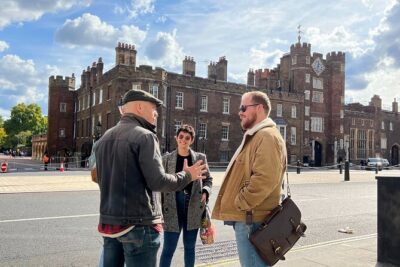
Royal Historic Pubs Walking Guided Tour in London
Read our review →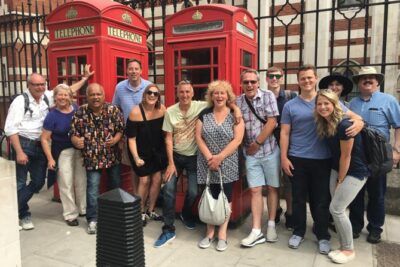
Private Group: Historical Pub Walking Tour of London
Read our review →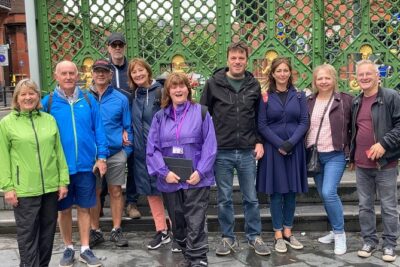
Best Of Liverpool Heritage, History & Culture Guided Walking Tour
Read our review →Browse the lists this tour appears in