
Reviewed · HISTORICAL TOURS
Pride History of Birmingham Tour
Birmingham’s only Pride History Tour turns the city’s Gay Village into an open-air storybook. Starting at the original Nightingale Club site, you’ll trace the scene from 1969, just two years after homosexuality was decriminalised, through Pride festivals, landmark venues, and the questions facing the village today.
I like the strong local focus and the way the route links places such as the AIDS & HIV Memorial, Pride House, The Rhino, and The Fox to wider LGBTQ+ history. I also like the choice between a 5km walk and a faster run, with guide Darren bringing the stories to life and offering useful Birmingham recommendations.
The main drawback is the $481.69 price per person. Since the tour lasts about 90 minutes to two hours and does not include paid admissions, you’ll want to care deeply about Birmingham’s LGBTQ+ story before booking at that level.
Key points to know before booking
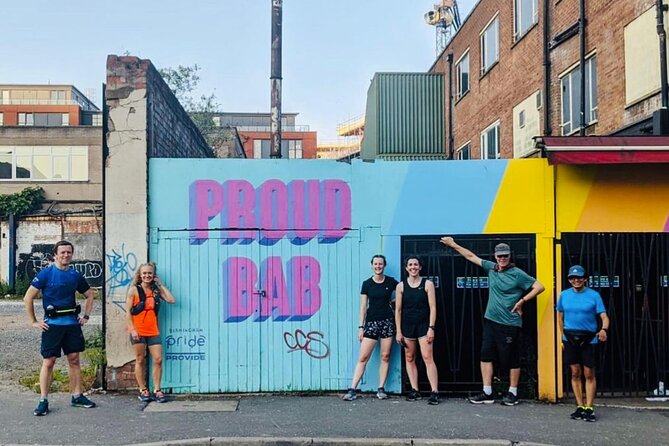
- Starts at the Nightingale Club: Meet at 18 Kent Street and look for your guide smiling in orange.
- Covers about 5km: The walking version lasts roughly two hours, while the running option takes about 90 minutes.
- Visits major Gay Village landmarks: The route includes Pride House, the AIDS & HIV Memorial, Eden Bar, Jester, The Fox, Missing Bar, and The Rhino.
- Connects local and global Pride history: Birmingham’s story is placed within wider LGBTQ+ events and change.
- Returns to the starting point: Sidewalk Gay Bar is the penultimate stop before you finish back at Nightingale.
- Small group format: The maximum group size is 25, so the guide can keep the experience fairly personal.
Starting at the Nightingale Club in 1969
Your meeting point is the Nightingale Club at 18 Kent Street, Birmingham B5 6RD. The tour begins at 6:00 pm, and the practical instruction is simple: look for the guide in orange, smiling and ready to gather the group.
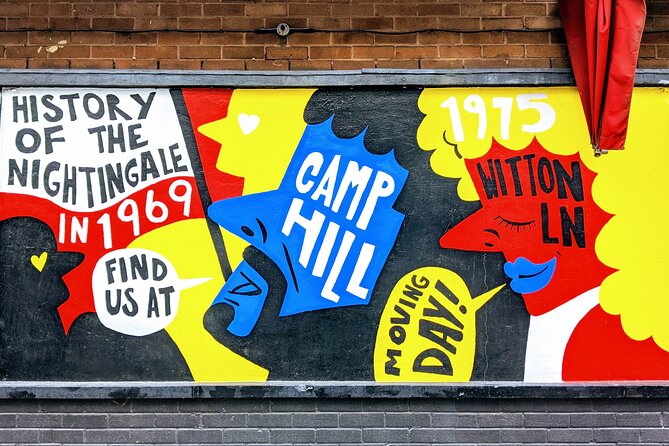
This is a fitting place to begin. The Nightingale is described as Birmingham’s first gay-friendly venue that is still standing, and the opening story reaches back to 1969. That date matters. It places Birmingham’s local story only two years after the decriminalisation of homosexuality, when acceptance was still limited and public LGBTQ+ life could carry real uncertainty.
I like that the tour does not begin with a general lecture about Pride. It begins with a specific club and a specific city. You get a sense of how a community can form around places where people meet, socialise, and find some safety.
The first stop lasts about 10 minutes. There is no admission included, so you should expect the history here to be presented from the outside or around the meeting point rather than as an indoor club visit. That keeps the opening quick, but it also means you should not book expecting a long look inside the venue.
A few more Birmingham trips to weigh up
- Birmingham Gangs Nighttime Historical Walking Tour with Pub Stops
★ 5.0 · 53 reviews - 2.5-Hours Walking Tour of Birmingham into Black Heritage Madiba
★ 5.0 · 49 reviews - London Small Group Tour of Historical Pubs
★ 5.0 · 10,422 reviews
Walking through Birmingham’s Gay Village
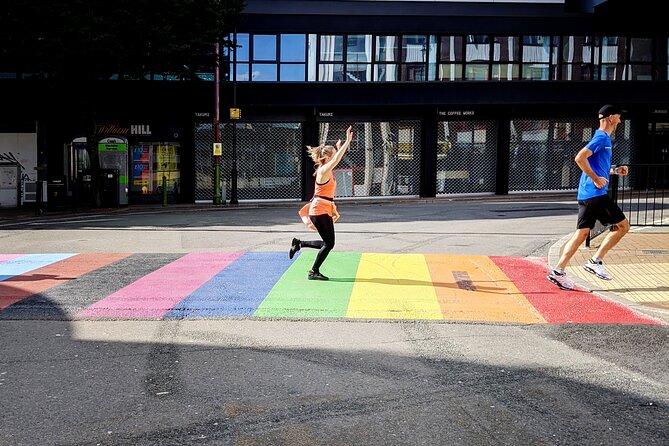
Most of the experience takes place in Birmingham’s Gay Village. The central section lasts about one hour and 40 minutes on foot, and the full walking route covers around 5km.
That distance is manageable for most people who are comfortable walking for two hours, but it is not a short stroll between two buildings. Wear shoes suited to city streets and plan for an evening spent moving from one location to the next.
The route takes in:
- Pride House
- Birmingham’s Pride festival location
- The AIDS & HIV Memorial
- Eden Bar
- Jester
- The Fox
- Missing Bar
- The Rhino
These names are not just a list of nightlife stops. Together, they show how Birmingham’s LGBTQ+ community has been shaped by clubs, bars, public memorials, festivals, and gathering places. The tour’s value comes from connecting them, rather than treating each venue as an isolated photo stop.
You’ll also hear about the unusual words promised in the tour description: jugs, rhinos, and foxes. Those references give the walk a local, informal edge. They suggest that the guide will explain the names and symbols tied to Birmingham’s scene instead of keeping the tour at a broad, textbook level.
Pride House and the city’s festival story
Pride House and Smithfield’s are important parts of the route. Smithfield’s is the home of Birmingham Pride, so the tour gives you a direct link between the city’s LGBTQ+ history and its large public celebration.
This section should appeal to you if you want to understand how a local scene becomes a public event. Pride is not treated only as a party. The route considers the work, places, and community identity behind it.
The tour also looks at Birmingham’s journey toward becoming one of the United Kingdom’s thriving LGBTQ+ scenes. That wording does not mean the story is presented as a simple march forward. The overview specifically points to exclusion, acceptance, and uncertainty.
That balance is important. A Pride history walk should celebrate survival and progress, but it should also leave room for the harder parts of the story. Here, Birmingham’s development is set against Pride history from around the world, giving you a wider frame without losing the local focus.
The AIDS & HIV Memorial and the meaning of place
The AIDS & HIV Memorial is one of the most serious stops. Its inclusion changes the pace of the tour and gives the route emotional weight.
You will not simply be moving from one bar to another. The memorial reminds you that LGBTQ+ history includes loss, public health, grief, activism, and the need to remember people who were affected by HIV and AIDS. The supplied details do not state how long the group pauses there or what specific stories are told, so you should expect the guide to explain its place in Birmingham’s story rather than assume a formal memorial ceremony.
This is also where the walking format works well. You move through the actual area where community life developed, then encounter a site devoted to remembrance. The physical closeness of social venues and memorial space helps show that LGBTQ+ history is made up of both celebration and hardship.
Same country, a completely different day out:
- Entry ticket to Hoo Zoo and Dinosaur World in Telford
★ 5.0 · 591 reviews - Cadbury World Entry Ticket
★ 3.0 · 524 reviews - Birmingham Walking Tour: Canals, Victorians & Today (1:30pm)
★ 5.0 · 346 reviews - Discovering Birmingham 2 hour Walking Tour to the Jewellery Quarter
★ 5.0 · 333 reviews
Bars, clubs, and the everyday Gay Village
Eden Bar, Jester, The Fox, Missing Bar, and The Rhino make up much of the route through the Gay Village. The tour treats these venues as part of Birmingham’s social record.
You should not expect a bar crawl or included drinks. The stops are about the role these places played in the local scene, and the admission information makes clear that tickets or entry are not included. The focus is on stories and landmarks, not spending the evening inside each venue.
That distinction matters when you decide how to dress and plan your night. You are booking a guided walk through the village, not a nightlife package. The tour may suit you if you want context before exploring Birmingham independently, but it may disappoint you if you expect extended time at every venue.
The names also make the tour feel specific to Birmingham. Instead of hearing only general terms such as club, festival, and community, you hear the names people associate with the city’s Gay Village. That local detail is one of the strongest reasons to choose this experience.
Sidewalk Gay Bar and the final stretch
Sidewalk Gay Bar is the penultimate stop. Its earlier life as a car showroom adds another small piece to the changing story of the area.
The stop lasts about 10 minutes, then the group returns to the Nightingale Club. This loop makes the logistics easy. You do not have to arrange a second pickup point or find your way across Birmingham at the end of the evening.
Returning to Nightingale also gives the tour a neat structure. You start with Birmingham’s first still-standing gay-friendly venue, pass through the broader Gay Village, and finish by coming back to where the story began.
The final theme looks ahead to uncertainty about the survival of the village itself. That is a useful way to close. You are not left with a history that ends in the past. The route asks you to think about what happens to community spaces when a city changes and how much depends on keeping those spaces active.
Walk or run, and what the timing means
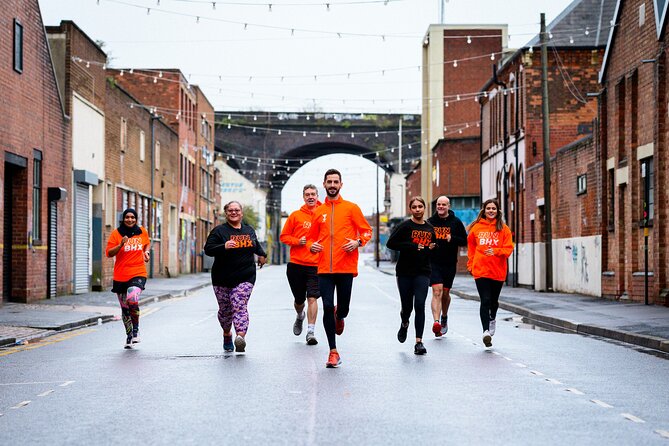
You have two formats to choose from. The walking version covers about 5km in roughly two hours. The running version takes about 1.5 hours.
The run is an unusual option for a history tour. It could suit you if you prefer a quicker pace or want to combine local history with exercise. Still, the supplied information does not explain the running pace, fitness level, or whether the group stops in the same way as the walking tour. If you need a relaxed pace for listening, the walk is the safer choice.
The walking tour gives you more time to take in the settings and follow the links between venues. It also allows the guide to tell the story without the constant pressure of keeping up with a run.
At 6:00 pm, the experience takes place in the evening. The exact light and weather will affect how the route feels, and the activity requires good weather. If poor conditions cancel the tour, you are offered another date or a full refund.
The guide can make or break this experience
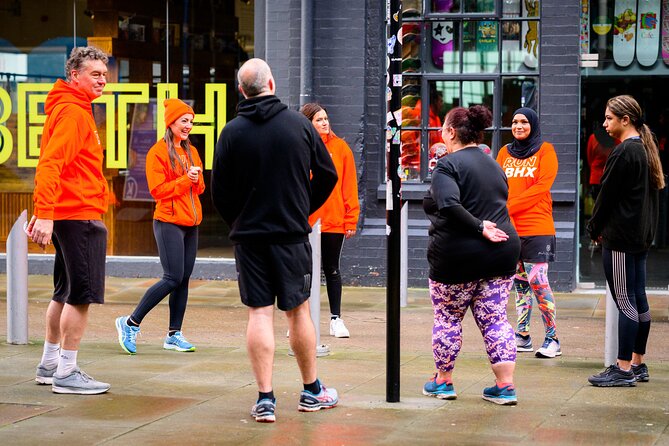
A history walk depends heavily on the person leading it. In this case, Darren is specifically praised for bringing the stories to life and for offering recommendations that help you feel more connected to Birmingham.
That detail is worth taking seriously. A route through bars and landmarks can feel like a simple list unless the guide explains why each place matters. Darren’s role appears to include both storytelling and practical local advice, which adds value for anyone staying in Birmingham beyond the tour.
The group can include up to 25 people. That is small enough for a guide to address the group directly, though it is not a private tour. If the full group attends, you may need to stay close during street crossings and crowded sections.
The meeting instruction, look for the guide in orange, is helpful at a busy city-centre starting point. Arrive with enough time to find the Nightingale Club and identify the guide before the 6:00 pm start.
Is $481.69 a fair price?
At $481.69 per person, this is an expensive experience. The price deserves careful thought because the tour lasts about 90 minutes to two hours, follows a walking or running route, and includes no paid admissions.
Its value depends almost entirely on what you want. If Birmingham’s LGBTQ+ history is a major reason for your visit, a specialist local guide may offer something you cannot get from a general city tour. You receive a focused route, a story rooted in specific venues, and a look at both Birmingham Pride and the future of the Gay Village.
If you are simply looking for an inexpensive introduction to Birmingham, the price is hard to justify. Much of the experience takes place in public streets and outside venues, and there are no included drinks, museum entries, or other listed extras.
I would compare the cost against your priorities before booking. The tour makes the most sense for someone who values a dedicated LGBTQ+ history experience and wants a guide-led evening rather than a standard sightseeing walk. At this price, the subject must be the main reason you are booking.
Practical details for your evening
Confirmation arrives when you book, and the activity uses a mobile ticket. You can get there by public transportation, and the meeting and ending point are both at the Nightingale Club.
Service animals are allowed, and most people can participate. The supplied information does not provide detailed route notes about surfaces, seating, or accessible facilities, so contact the provider if you need more specific access information before paying.
The activity requires a minimum number of participants. If that number is not reached, you are offered another date or experience, or a full refund. The same applies if poor weather forces cancellation.
The cancellation policy is strict. Your booking is non-refundable and cannot be changed for any reason, so check your date carefully before committing. The weather and minimum-group exceptions apply only when the provider cancels the experience.
Who should book the Pride History of Birmingham Tour?
I would recommend this tour to you if you want a focused look at Birmingham’s LGBTQ+ past and present, especially if you recognise the Nightingale, Pride House, or the Gay Village as more than nightlife addresses. The local names and the link to wider Pride history give the experience a clear sense of place.
It also suits you if you like walking tours that mix celebration with difficult subjects. The AIDS & HIV Memorial, the story of exclusion, and the discussion of uncertainty give the route more purpose than a simple tour of bars.
You may want to skip it if you are watching your budget, dislike walking for two hours, or want substantial indoor visits. The high price, lack of included admissions, and strict cancellation terms make this a booking for a specific interest, not a casual add-on.
FAQ
Where does the Pride History of Birmingham Tour start?
It starts at the Nightingale Club, 18 Kent Street, Birmingham B5 6RD, UK.
What time does the tour begin?
The tour starts at 6:00 pm.
Where does the tour finish?
The activity ends back at the Nightingale Club, where it begins.
How long is the tour?
The walking version takes about two hours. A running version takes about 1.5 hours.
How far do you walk?
The route covers approximately 5km.
What places are included along the route?
Stops and landmarks include the Nightingale Club, Pride House, Birmingham’s Pride festival location, the AIDS & HIV Memorial, Eden Bar, Jester, The Fox, Missing Bar, The Rhino, and Sidewalk Gay Bar.
What happens if the tour is canceled?
If poor weather or an insufficient minimum group causes cancellation, you are offered another date or experience, or a full refund.
Just added around Birmingham
- Birmingham Gangs Nighttime Historical Walking Tour with Pub Stops★ 5.0 · 53 reviews
- Fun, Flexible Treasure Hunt Around Birmingham with Cryptic Clues & Hidden Gems★ 5.0 · 167 reviews
- Private Birmingham Ghosts and Gallows Walking Tour★ 5.0 · 5 reviews
- Taste of Shrewsbury Food and Drink Tour with Guide★ 5.0 · 22 reviews
- On the Origins of Charles Darwin: A Self-Guided Audio Tour of Shrewsbury★ 4.5 · 16 reviews
- Birmingham Ghost Hunt: Haunted Self-Guide Tour & Quest★ 4.5 · 37 reviews
- From Birmingham Stonehenge and Bath Day Tour★ 4.5 · 33 reviews
- Birmingham to Heathrow Airport private taxi transfers★ 5.0 · 7 reviews
Historical Tours, compared.

Shadows of York: Ghost Walk and Horrible History.
Read our review →
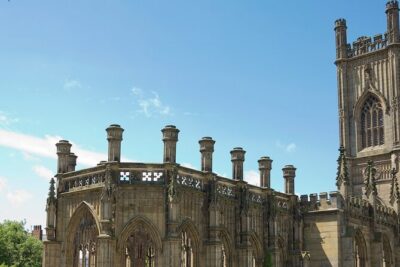
A Walk Through Time: History of Liverpool Walking Tour
Read our review →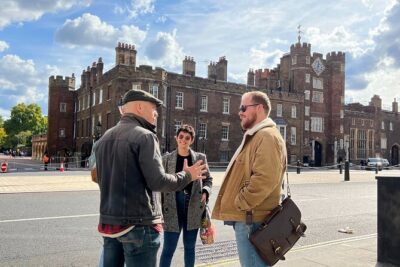
Royal Historic Pubs Walking Guided Tour in London
Read our review →
Private Group: Historical Pub Walking Tour of London
Read our review →
Best Of Liverpool Heritage, History & Culture Guided Walking Tour
Read our review →Browse the lists this tour appears in